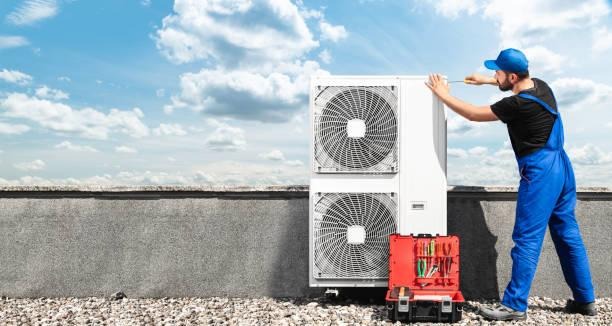
The UAE climate is widely known for extreme heat, high humidity in coastal zones, and frequent dust exposure throughout the year. These are the severe environmental conditions that subject cooling systems to a constant strain and therefore proper airconditioning is a must in homes, offices and commercial buildings. System performance is also crucial in such an environment which is demanding in terms of installation and maintenance.
Businesses and homeowners often depend on AC spare parts suppliers in UAE to ensure fast replacement and uninterrupted cooling. The UAE climate impact on HVAC systems is also an important factor to consider since the equipment is used nearly 24/7 which causes wear and decreases the long term longevity of the equipment unless care is taken.
The Impact of UAE Climate on HVAC System Performance
1. Extreme Heat Increases Compressor Strain
The UAE has high temperatures, which means that the compressors of the HVAC units are subjected to constant high loads. Summer is the season when systems are overloaded by the outside heat, leading to pressure buildup within the system and increased energy usage. This continuous strain causes overheating of the parts and low cooling capacity. With time, the mechanical parts wear out more quickly, and the frequency of repair rises, the overall life of the equipment decreases significantly.
2. Continuous Operation Reduces System Life
Hot seasons in the UAE are very long and in most instances, air conditioning systems are on round the clock. This constant cycling does not allow the components such as fans, motors and coils to rest well. This causes the wear and tear to build up at an increased rate resulting in poor performance and increased likelihood of failure. The UAE climate impact on HVAC systems are evident when the systems wear out easily due to continuous load on them.
3. Dust and Sand Damage Internal Components
Dust storms and sandy winds that occur frequently in UAE inject small particles into HVAC systems. These particles block filters, coils and lower the efficiency of airflow. With the limited airflow, the system will have to strain to cool the system. This extra stress boosts consumption of energy and speeds up internal destruction. The accumulation of dust can considerably reduce the life and performance of the system without frequent cleaning.
4. Humidity Causes Corrosion and Mold Growth
The humidity in the UAE near the coastline causes moisture to accumulate in the HVAC systems particularly during summer seasons. The result of this moisture is corrosion of metal parts and damage of electrical wiring. It also promotes the growth of molds within ducts which influences indoor air quality and system efficiency. In the long term, these problems undermine internal structures and hike maintenance needs and make the system less durable.
5. UV Exposure Weakens Outdoor Units
The HVAC systems installed in the UAE outdoors are subjected to high UV radiation and intense sunlight all year round. This exposure makes plastic parts brittle, and metal surfaces to swell and shrink over and over again. The thermal stress is always constant and results in cracks, leaks, and structural strength. With increasing damage, system reliability declines and the total lifetime of equipment is greatly decreased.
6. Lack of Maintenance Shortens Lifespan
HVAC systems will have a difficult time operating effectively in the harsh conditions in the UAE without frequent maintenance. Contaminated filters, low levels of refrigerant and blocked coils raise internal pressure and decrease cooling performance. Minor problems can easily escalate into a large system breakdown when they are not addressed. Such carelessness speeds up the wear and slows down systems. In the long run non servicing is a significant contributor to reducing the life of equipment.
7. Energy Efficiency Drops over Time
The cruel environment conditions slowly diminish the efficiency of HVAC systems. Dust build-up, compressor strain and force systems that are in constant operation use more energy to achieve the same cooling performance. This will result in increased electricity costs and component stress. The lower the efficiency, the lower the system reliability and the higher the cost of the equipment to operate and maintain in the long run.
Conclusion
The extreme weather conditions in the UAE have been a significant burden on the cooling systems that are in use all year round. Dust, extreme heat and humidity are all causes of increased deterioration and decreased efficiency of equipment. This is why understanding the UAE climate impact on HVAC systems is essential for property owners. Effective maintenance and servicing can be used to minimize the breakdowns, enhance the performance and increase the overall life of the system in harsh environments.
Consistency in servicing and availability of quality components by reputable. HVAC product suppliers UAE makes long term reliability of cooling systems in the UAE. Periodic checks, cleaning of filters and changing of parts on time can contribute to decreasing. The stress on the system and eliminating unexpected failures. By being proactive businesses and homeowners are able to ensure efficient cooling operations during extreme weather conditions. Throughout the year without significant disruptions.