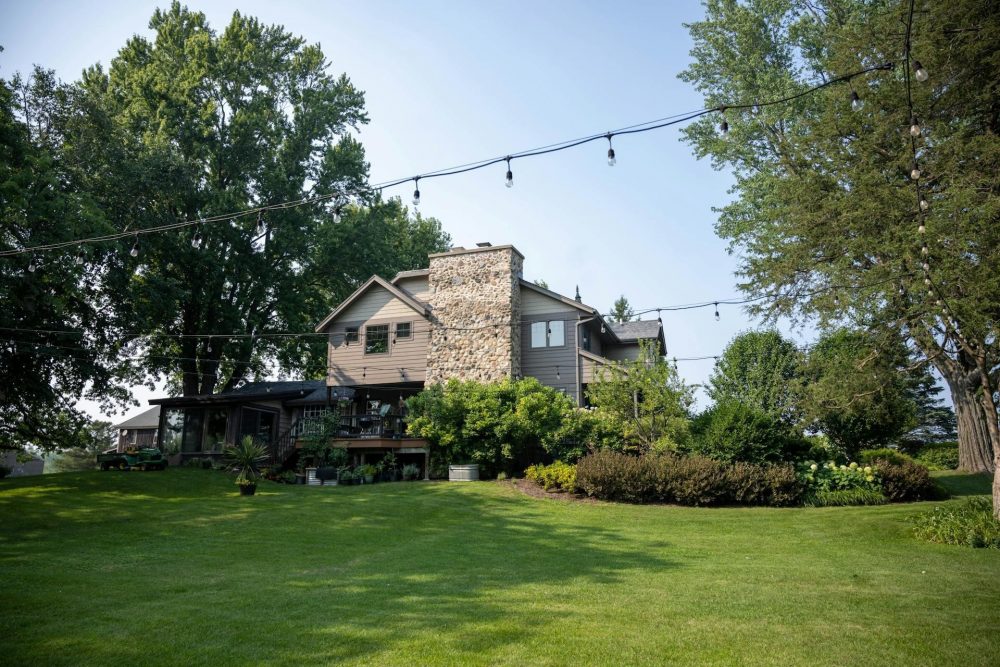
There was a time when outdoor spaces felt a little… ceremonial.
You pulled out the chairs for a barbecue. Maybe hosted a birthday party. Took a few photos. Then went right back inside and didn’t think about the yard again until the next occasion.
But that mindset is changing. Fast.
These days, backyards, patios, and even those once-forgotten side yards are being reimagined as part of everyday life. Not just something to look at… something to actually use.
And the big mindset change is about creating a space that works for you instead of quietly adding to your to-do list.
From Weekend Projects to Everyday Comfort
Let’s be honest for a second.
If your outdoor space requires an entire Saturday of mowing, trimming, watering, and cleaning… and by the end of it you’re too tired to enjoy it… what’s the point?
More and more people are asking that exact question.
Rethinking your outdoor space starts here: How do I actually want to use this?
Not how it should look. Not what the neighbors are doing. Just… real life.
For most people, the answer is pretty simple. A place to unwind after work. Somewhere for kids or pets to play without constant supervision. A spot for morning coffee (bonus points if it involves sunshine and zero chores).
Designing for Movement (Not Just for Show)
There’s a subtle but important difference between a yard that looks good… and a yard that works.
Modern outdoor design is leaning into flow. Movement. The way people naturally use space when they’re not overthinking it.
Instead of carving everything into rigid zones, homeowners are opening things up. Paths that actually make sense. Open areas that don’t feel boxed in. Seating placed where people gravitate, not just where it photographs nicely.
You end up with a space that feels intuitive.
You can walk through it without navigating obstacles. Sit down without rearranging half the furniture. Let kids or pets move freely without worrying about weird corners or tight areas.
It’s the difference between “designed” and “livable”… and once you notice it, you can’t unsee it.
The Rise of Low-Upkeep Ground Cover
Let’s talk about lawns for a second.
Yes, they can look great. But they also come with a long list of responsibilities… watering schedules, mowing, fertilizing, patch repair, seasonal upkeep (and then more upkeep).
And the moment something goes slightly wrong? Mud. Bare spots. Uneven ground.
That’s why the definition of “green space” is starting to evolve.
People are choosing materials that look good and hold up to everyday life. Surfaces that don’t turn messy after rain. That don’t need weekly attention. That stay consistent no matter what the weather decides to do.
For example, families in the Bay Area are using artificial grass installation as a practical alternative, creating yards that stay green year-round without constant maintenance.
A yard you can step onto at any time (without thinking twice!) is a yard you’ll actually use.
One Space, Many Uses
The best outdoor spaces today aren’t overly specific. They’re flexible.
Instead of separate “zones” for every activity, they’re designed to handle whatever the day brings.
A table that works for lunch… then becomes a workspace… then hosts evening drinks. A seating area that shifts from reading nook to conversation spot without needing a reset. Open space that works just as well for stretching as it does for a quick game or gathering.
It’s less about defining every inch… and more about letting the space adapt to you.
And here’s the bonus. Fewer highly specific features mean less maintenance. Fewer things to clean, adjust, or fix.
Comfort Is the Whole Point
An outdoor space can be beautiful… but if it’s not comfortable, it won’t get used.
Today’s outdoor setups are leaning into comfort just as much as aesthetics. Shade where you actually need it. Materials that don’t burn your feet in the summer. Chairs you can sit in for more than five minutes.
Little things make a big difference here: you could add a pergola that softens harsh sunlight, or build proper drainage so you’re not dodging puddles after it rains. Using surfaces that stay usable instead of turning into a problem.
When everything feels right, being outside becomes effortless.
Less Maintenance, More Spontaneity
Here’s something people don’t always realize until they experience it: low-maintenance spaces invite spontaneous moments.
When you’re not thinking about weeds, mud, or the state of the grass, stepping outside feels easy. Almost automatic.
Kids can run out without a whole process. You can sit down without inspecting every surface first. Pets can go wild without turning your yard into a project later.
Landscaping That Actually Supports Your Life
There’s been a change in how people think about landscaping. t’s no longer about impressing anyone. It’s about support.
Choosing plants that thrive without constant attention. Simplifying layouts so they’re easier to maintain. Swapping high-effort features for ones that quietly do their job in the background.
Spaces That Grow With You
Life changes. Schedules shift. Needs evolve.
The best outdoor spaces can keep up without requiring a full redesign every few years.
Open layouts, durable materials, and simple foundations make it easy to shift how the space is used over time. A play area can become a gathering space. A gathering space can turn into a quiet retreat.
Conclusion
Rethinking outdoor spaces is, at its core, all about making everyday life easier.
When your yard works with you… when it’s comfortable, flexible, and low effort… it stops being something you manage and starts being somewhere you live.
And really, that’s the goal.
Not a space that looks perfect once in a while… but one that feels right every single day.