Flea and tick season can feel exhausting for pet owners. Just when you think the scratching has finally stopped, your dog starts chewing at their paws again or you spot another tick after a simple walk outside. Warm, humid months create the perfect environment for these pests to thrive, which is why infestations tend to spike so quickly during peak season.
What makes fleas especially frustrating is that they’re not just living on your pet. Most of the flea population actually exists in the environment hidden in carpets, furniture, bedding, and tiny cracks around the house. So even if your pet is treated, new fleas can continue hatching and restarting the cycle.
Ticks are a different kind of problem altogether. They don’t usually infest homes the way fleas do, but they hide in tall grass, bushes, wooded trails, and shaded outdoor areas. Worse, ticks can carry diseases that affect both pets and humans, making prevention extremely important. Thus, it’s important to visit Birdneck Animal Hospital or consult trusted vets in Virginia Beach if you suspect any flea or tick infestation.
What Flea and Tick Treatments Actually Work?
When it comes to effective flea and tick control, consistency matters more than quick fixes. The most reliable protection usually comes from vet-approved preventatives rather than random over-the-counter products that promise instant results.
Oral and Topical Preventatives
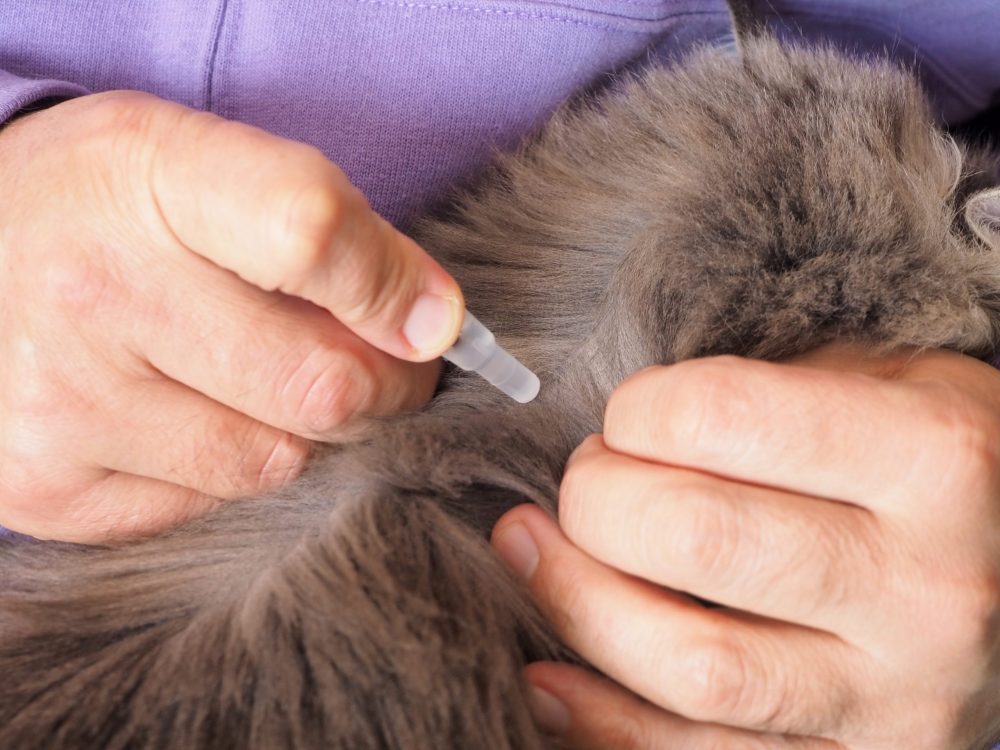
Many veterinarians recommend monthly oral medications because they work quickly and are easy to maintain. Topical treatments can also be effective when applied correctly and consistently. Some flea and tick collars provide long-lasting protection as well, though quality varies greatly between brands.
The key is choosing a treatment plan that fits your pet’s lifestyle and sticking with it year-round. Missing even one month can allow fleas to reproduce again surprisingly fast.
Environmental Control Matters Too
One of the biggest mistakes pet owners make is treating only the pet while ignoring the home environment. Unfortunately, that rarely works long term.
Vacuuming carpets regularly, washing pet bedding weekly, and cleaning upholstered furniture can help remove flea eggs and larvae before they mature. If ticks are common in your area, keeping your yard trimmed and reducing overgrown vegetation can also make a noticeable difference.
Honestly, flea control is rarely about one single product. It’s usually a combination of prevention, cleaning, and consistency.
Do Natural Flea Remedies Really Help?
A lot of pet owners are drawn to natural remedies like apple cider vinegar sprays, herbal collars, or essential oils. And while some may slightly repel pests, they typically don’t eliminate active infestations.
There’s also a safety concern many people don’t realize. Certain essential oils can actually be toxic to pets, especially cats. So before trying DIY remedies from social media, it’s worth checking with a veterinarian first.
Natural options may support prevention in mild situations, but severe flea or tick problems usually require stronger veterinary-approved treatments.
How Do You Know Your Current Flea Plan Isn’t Working?
Sometimes the signs are subtle at first. Your pet may scratch more often, bite at their skin, or seem restless at night. You might notice tiny black specks in their fur commonly called flea dirt or small irritated patches of skin.
If you’re still seeing live fleas or ticks despite treatment, it’s a sign your current prevention plan may need adjusting. In heavier infestations, veterinarians at Virginia veterinary clinic often recommend combining fast-acting medications with long-term preventatives and environmental treatments to fully break the cycle.
What Prevention Habits Make the Biggest Difference?
Small habits honestly go a long way during flea and tick season. Checking your pet after walks, especially around the ears, paws, neck, and belly, can help catch ticks early before they attach for too long.
Keeping grass trimmed, vacuuming frequently, and staying consistent with monthly preventatives are some of the simplest but most effective ways to reduce infestations. Even indoor pets aren’t completely safe since fleas can hitch rides indoors on shoes, clothing, or other animals.
Final Thoughts
Advanced flea and tick control isn’t really about finding a magic product that solves everything overnight. It’s about building a consistent routine that protects both your pet and your home.
Yes, it can feel repetitive sometimes washing bedding, vacuuming constantly, remembering monthly treatments but staying ahead of the problem is much easier than dealing with a full infestation later.
And honestly, seeing your pet comfortable, itch-free, and able to relax without constantly scratching? That alone makes the effort worth it.