Introduction
Steel Plates are one of the most adaptable and vital materials that are being utilized in the building, industrial, mining, energy and transportation industries for a long. The need for robust steel plates is always driven by the requirements of major industrial projects that require higher loads, longer service intervals and reduced structural weight. These thick plates are very durable and versatile. Builders use them in bridge decking, ship hulls, pressure vessels and mining equipment for this reason. Other materials cannot match the consistent performance of heavy duty steel plates for structural load carrying, abrasion resistance and pressure confinement situations.
What Are Steel Plates?
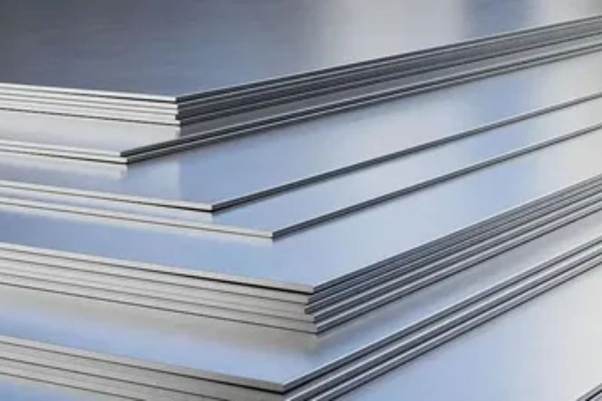
Steel Plate. Flat-rolled steel products that are defined primarily by thickness, generally 5 mm and higher, and available in a range of grades and finishes for structural, pressure, wear and heavy-duty applications. The steel plates of high strength are developed to take heavier loads with lesser thickness, thereby boosting structural efficiency. Wear-resistant steel plates are produced for abrasive service settings, where the main failure mode is surface degradation. The variety of grades available is so broad that steel plates can be matched to almost every industrial need, from mild structural carbon steel through to quenched and tempered alloy grades.
Key Properties of Steel Plates
Explore the critical performance characteristics below to see how these durable steel plates support heavy engineering projects:
High Tensile and Yield Strength
This characteristic makes the plates capable of withstanding high structural loads without deformation and makes them very appropriate for load-carrying frames, bridges and pressure-containing equipment.
Excellent Toughness and Impact Resistance
The material reliably resists sudden loading and dynamic forces, a capability that is absolutely critical in mining equipment, transport vehicle bodies, and offshore structures.
Good Weldability and Machinability
These features allow the plates to be efficiently fabricated into complex structures without degrading joint quality or compromising the baseline properties of the base material.
Resistance to Wear, Abrasion, and Deformation
Higher hardness steel grades are produced specially designed for serving the long-term surface contact and are used in high-friction uses such as chutes, hoppers and crusher liners.
Long Service Life Under Heavy Loads
Steel plates which are correctly specified avoid material fatigue and guarantee much less frequent replacements and expensive maintenance interventions during the whole life cycle of the equipment.
Common Types of Steel Plates
Structural Steel Plates
Used in building frames, bridge decks, and fabricated structural assemblies. These plates are specified to EN 10025 or ASTM A36/A572 standards and cover the widest range of general construction and fabrication applications.
High Strength Steel Plates
For difficult load-bearing applications where structural efficiency is an issue, lighter sections can carry more loads. Crane booms, large vehicles, and elevated bridge constructions use weight reduction to increase performance.
Wear Resistant Steel Plates
Used wear resistant steel plates where abrasion and impact are the predominant failure mechanisms. Grades like AR400 and AR500 are rated by their hardness. The higher the Brinell number, the more harsh the abrasion environment it can tolerate. These are used frequently in mining, cement, and recycling sectors.
Pressure Vessel Steel Plates
Suitable for boilers, storage tanks, and process pressure equipment. These plates are manufactured to ASME Section II or EN 10028 standards and are selected for both mechanical properties and elevated-temperature performance.
Alloy Steel Plates
Enhanced with alloying additions for high-temperature service or corrosion resistance. Used in petrochemical reactors, heat exchangers, and flue gas handling systems where standard carbon steel degrades under chemical or thermal attack.
Key Benefits of Steel Plates in Industry
The industrial steel plates provide significant operating advantages through their outstanding load-carrying capacity combined with good resistance to severe environmental wear, impact, and chemical exposure. Very versatile, they can be machined or welded with ordinary equipment, making them the ideal material for a wide range of production activities. The availability of these products via established supply chains offers a cost-effective solution that significantly reduces maintenance downtime and long-term operational costs.
Practical Uses of Steel Plates
Industrial steel plates are the foundation of modern civil engineering and infrastructure, providing the fundamental structural strength for girders, bridge decks or code compliance pressure tanks. These plates are generally used for the construction of big vehicle frameworks, strong marine vessels and wear-resistant hopper surfaces. These plates are capable of withstanding persistent high impact wear in heavy industries, including mining, shipbuilding and freight transport.
High Strength Steel Plates: Advantages and Applications
High strength grades produce lighter structures without sacrificing load capacity. A bridge made with high-strength steel plates uses much less metal to get the same length and weight rating as standard steel. Heavy cranes, truck frames, and tall bridges all get better when you cut dead weight but keep strength high. Building safety and work efficiency both go up when structural metal holds more load per kilogram.
Wear Resistant Steel Plates: Where They Excel
Chutes, hoppers, dump truck bodies, and crusher liners all face continuous surface erosion from abrasive materials. Standard structural steel wears through quickly in these conditions wear-resistant grades extend component life by a factor of 3 to 5 compared to mild steel in the same application. Reduced replacement cycles mean less downtime and lower maintenance cost over the equipment’s operating life. The initial material premium is consistently recovered through lower lifecycle expenditure.
How to Choose the Right Steel Plate
Selecting the right steel plate requires matching the practical demands to the specific material capabilities. The choice of the right steel plate is the balance between practical requirements and the specific material capabilities. The first step is to understand your load and structure requirements. You have to dictate the thickness and grade by your engineering design and not by what is in the market. If conventional carbon steel shows early failure, then environmental abrasion and corrosion conditions must be analyzed and wear-resistant or special alloy grades selected. Thickness, grade, and fabrication needs are considerations. Weldability and cold-forming needs play a large role in grade selection above and beyond baseline mechanical properties. Finally, comply with international standards such as ASTM, ASME, EN and JIS. Set the production standard using project standards and inspection procedures.
Industry Standards and Certifications
Adhering to recognized standards like ASTM, ASME, and EN ensures that carbon and alloy steel plates safely meet structural and pressure vessel specifications. To guarantee performance, certified supply lines mandate Mill Test Certificates for complete chemical and mechanical traceability, alongside rigorous ultrasonic testing and independent third-party inspections for critical service deployments.
Conclusion
Steel plates are a part of modern industrial infrastructure in practically every field. High strength steel plates increase structural efficiency; wear resistant steel plates increase equipment life in abrasive service; pressure vessel grades exceed safety-critical containment code specifications. The proper grade, thickness and standard must be selected for the operating condition to guarantee that the plate performs as designed throughout its service life. Mill-certified material is likewise available from certified suppliers like Stolt Steels & Alloys FZE in the UAE and other quality-conscious distributors, with compliance documents and inspection assistance. “Use and be sure to use certified providers, and the material will come