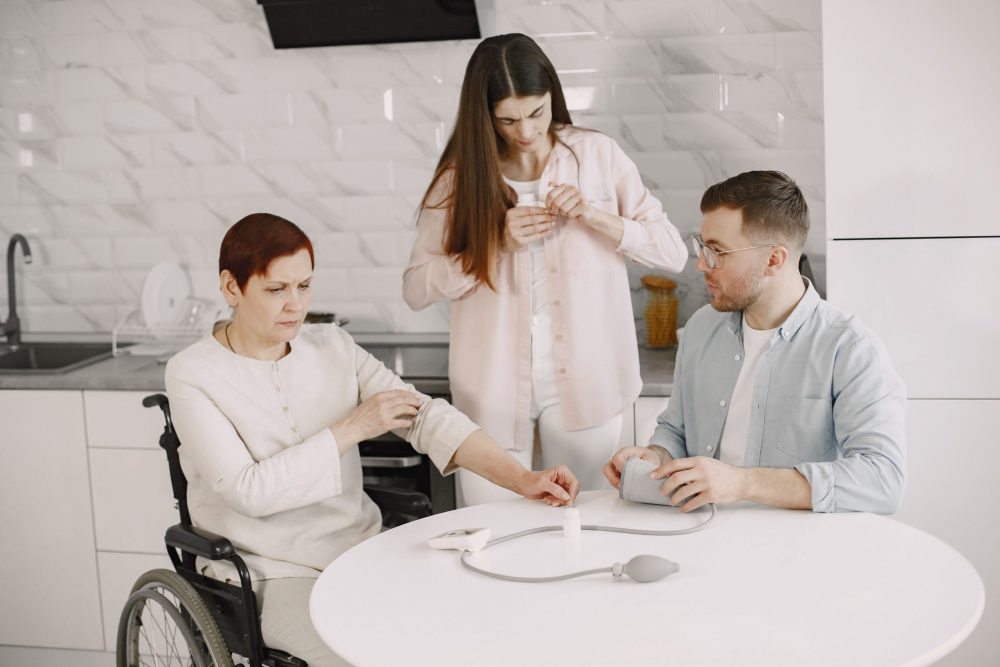
For families taking care of children with complicated medical needs handling everyday tasks can seem really hard. Medication times visits from nurses, meals, school stuff and doctor appointments all need to be managed. Having a daily schedule can help make these tasks easier to handle while also helping the child feel safe and at home.
Pediatric home care services in Georgia can help families create a way to take care of their children while letting them stay in their own home with their family. With help from experts and teamwork between caregivers families can create schedules that match their child’s medical needs, their development and what they like.
At SLB In-Home Care families can find out more about pediatric home care options. See how personalized support might help them manage their child’s daily care.
Understanding Pediatric Home Care in Georgia
Pediatric home care means getting care and support for children in the place they live. Depending on the child’s health condition the services might include nursing care help with routines and working with the child’s medical team.
Some children need checks or special help for problems with breathing, eating, moving or other complex medical conditions. For these families it’s very important to be consistent because the care has to follow the child’s medical instructions.
The Georgia Department of Community Health describes the Georgia Pediatric Program (GAPP) as a program that helps children with medical conditions by providing care at home in the community or in a medical daycare center. To know if Daycare Strong Children advice what they can get and what their care needs are families should check with the program.
Why a Consistent Care Routine Matters
A regular schedule helps parents and caregivers in Georgia understand what needs to be done each day. It can also help children get used to moving from waking up getting care eating, resting and doing things that’re right for their age.
A good routine can help families:
Coordinate care: Keep track of appointments, treatments and nurse visits.
Notice changes: Spot differences in sleep eating, comfort or behavior that might need to be talked about with a doctor.
Improve communication: Share details with nurses, family members and other people who help take care of the child.
Support health: Make patterns that help the child feel more ready for daily activities.
Manage family tasks: Plan work, school, housework and caregiving better.
A routine should give structure. Not be too strict. A child’s needs can change because of illness growing up appointments or other unexpected things. Being flexible is still very important.
How to Make a Daily Care Schedule
1. Start With the Childs Medical Plan
Before making a schedule talk with the child’s medical team. Pediatric home care Georgia Look at the care instructions. See what treatments, medicine times checks, feeding rules and special steps are needed.
Medical instructions should always be the important. Parents should not change the medicine times or medical steps just to make the schedule easier.
2. Divide the Day Into Clear Times
of planning every minute split the day into parts that are easy to handle. A schedule might have morning care, daytime activities, afternoon rest, evening routines and bedtime prep.
For example a family might plan the morning around care and medicine use the afternoon for therapy or quiet time and spend the evening getting ready for the next day.
The exact times will depend on the child’s needs and what the medical team says.
3. Get Supplies Ready Before Care Starts
Keep often used supplies in a specific place. Depending on the care plan families may need to organize tools, approved items, written directions, emergency numbers and important papers.
Check the tools as the manufacturer says. As the medical team tells you. Keep medicines and medical supplies safe especially if there are children in the house.
4. Keep a Shared Care Log
A written or log can help caregivers share important details. The log might include things like what care was done when medicine was given, any observations, appointments and questions for the team.
Write down the information correctly. Protect the childs privacy. Make sure there is a way to pass on the care responsibilities from a parent to a nurse or another helper.
5. Check the Routine Often
What works today might need changes tomorrow as the child grows or their medical needs change. Families should talk about any problems, changes in symptoms and worries about the schedule with the medical professionals.
Regular checks help keep the useful and make sure medical choices are made by experts.
Choosing Pediatric Home Care in Georgia That Families Can Trust
When looking at providers don’t just think about availability and schedule. Families should know what the provider is qualified to do what services they behavioral signs of anxiety instructions offer, how they talk to others and how well they can handle care based on the child’s needs.
Ask these questions:
Are the caregivers trained for the services needed?
The Georgia Department of Community Health has details about its Private Home Care Program. Families can use state resources to learn about what licenses are needed and check details before choosing a provider.
Understanding Georgia In-Home Daycare Rules
Sometimes families hear about Georgia in-home daycare rules when looking for care options.. In-home daycare and medical-focused pediatric home care are not the same.
The Georgia Department of Early Care and Learning (DECAL) handles the rules for daycare centers and family daycare homes. The rules depend on the type of program and what it does. A daycare business in a home might have rules than a provider giving medical care to one child.
If you want to start a daycare business check the DECAL’s family daycare rules. If you need care for your child look for the right medical providers and services that match the child’s needs instead of thinking daycare rules decide if the provider is good enough.
Helping Children Grow with Regular Care
A care routine is not about making every day the same. Its about giving children a way to live while helping parents and caregivers know what to do and respond when things change.
Families looking at pediatric home care can visit SLB In-Home Care to learn more about care options. What is available. Working with professionals talking clearly and checking the care plan often can help families make a better way to support their child’s health and everyday life.
The Main Idea
Consistency starts with knowing the child not just filling a calendar. A good routine mixes the medical care, family talks, preparing and being flexible. When all these parts work together parents can have a way to handle daily tasks while keeping the child’s needs in mind Through Latest Time News useful articles that explore relevant topics, explain important ideas clearly, and offer actionable information readers can apply in their daily lives goal is to deliver meaningful content that informs, engages, and provides lasting value to a diverse audience.
This content is made to give readers information and new ideas. Through we share articles that talk about topics explain ideas clearly and give things people can use every day. Our goal is to share content that helps interests and gives value to people.
FAQs: Pediatric Home Care in Georgia
1. What is pediatric home care in Georgia?
Pediatric home care gives help to children in their homes based on their health needs. Services might include nursing help help with treatments and support for children with medical issues.
2. Who can get pediatric home care services in Georgia?
Eligibility depends on the childs health what care is needed, what the provider offers and what insurance or programs allow. Families can talk to the Georgia Pediatric Program (GAPP) or their doctor to find out about services. If they qualify.
3. How can parents make a home care routine for their child?
Parents can make a routine by organizing medicine times, nurse visits, meals, rest and doctor appointments. Keeping a care log and talking with doctors regularly can also help with consistency.
4. What is the difference between home care and in-home daycare in Georgia?
Pediatric home care is about needs, including nursing when needed. In-home daycare is for child care and supervision under child care rules. Families should choose care based on what the child needs and check the licenses and qualifications.
5. How can families find pediatric home care in Georgia?
Families should check what the provider can do what licenses they have, their experience with the child’s needs, when caregiversre available and how they talk to others. They can also visit SLB In-Home Care to see more, about pediatric home care options. What is available.