It is essential to understand that your house gives off signals every time there is something wrong structurally. But sometimes, the signal is hard to detect. The most ideal thing to do in this case is to conduct a foundation inspection. This will help you identify any underlying issues that may cost you dearly in the future.
8 Early Warning Signs of Structural Problems Every Homeowner Should Watch For
There is no shortage of signs of problems that will require a major investment on your part
1. Cracks near Windows and Doors
A sign of structural problems that you should be wary of includes cracks that develop around doors and windows along with cracks that appear on the interior walls of your home. It is common to see hairline cracks since these are natural phenomena. Large or inconsistent cracks are an indication that there are problems with your foundation. It will be up to the inspectors to determine whether these cracks lead to structural problems during the full home inspection. Failure to check for this problem will lead to major problems.
2. Doors That Fail to Shut Properly
In case your doors become difficult to close or shut properly because they begin to stick or drag, it may be because your house is experiencing movement below ground level. In case of any movement, it will result in misalignment of the door frames, making it difficult to open and close doors correctly. Initially, when it occurs, it may appear as if it is being caused by humidity or deterioration of the door materials; however, further instances of this nature indicate that there is a problem with the building’s foundation.
3. Sloping Inside Your House
When your home’s floors begin to move out of level, it is an indication that there might be some kind of movement occurring at the structural level of your house. The cause for this movement in your house may be due to foundation settlement, poor strength of beams that provide insufficient support, or moisture on your floor.
It is possible that one begins to realize that their furniture is moving a bit or that there are openings along the baseboards, or they hear squeaks as they walk on them.
4. Cracks Developing on Concrete
Cracking outside on brick walls, concrete slabs or driveways could mean that there are stresses building up under the surface of your property. Any horizontal cracks, stair-stepped cracks or any enlarging cracks need to be monitored very carefully, because they could mean that soil shifts have occurred or that supporting structures are deteriorating.
Weather changes from season to season might only exacerbate any problems if there are drainage issues around your foundation. During Los Angeles home inspections, professionals often evaluate exterior cracking patterns to determine whether they are cosmetic concerns or signs of deeper structural movement that may require further investigation.
5. Separation between Walls and Ceilings
Whenever separation starts developing between wall structures and ceiling or floor structures, it means that there is settling going on or even shifting. Separations can develop gradually, but when they start increasing over time, they are likely indicating other structural problems within the house. While settling is expected in any house that has been there for a long time, larger separations mean other issues need to be addressed.
6. Water Intrusion Near the Foundation Area
One indication that the structure’s foundation is already compromised is that water might be entering the structure, which could affect the structural soundness of the building. One might encounter problems like water puddles, damp interior walls, mildew growth, or muddy ground on the outside of the structure. Gradually, such issues might affect the structure and cause it to crack, shift, or settle. It may happen due to poor drainage of seasonal rainwater, but recognizing early indications will help one save money on future expenses.
7. Leaning Chimney or Exterior Structure
If you notice any signs of your chimney or other external structures leaning, it would indicate that structural movement is occurring beneath your home. The chimney is very susceptible to structural damage since structural movement could easily separate it from the walls or the roofline. Porches and patios that seem to be uneven and detached exterior stairs are also other types of structures that might have developed tilting. This should never be ignored as they usually point towards structural movement in the foundation.
8. Ceiling Moisture Stains
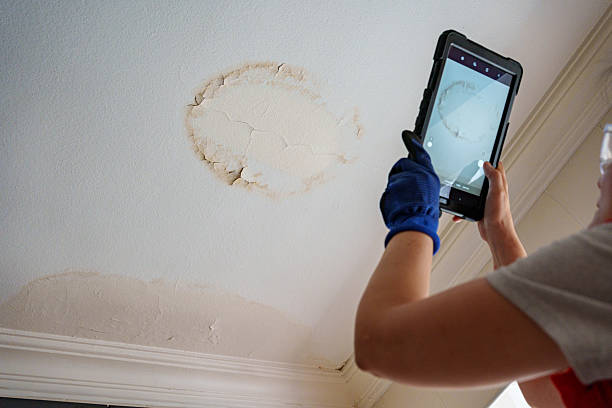
If water stains continue to appear regularly on your ceilings or walls, then there may be a leaking source that can cause the weakening of your structure in time due to accumulated moisture behind the wall surface. The damage done by such water sources is likely to affect the wooden frames, insulation, and even the supporting beams of your home. It is therefore important that you monitor signs of discolored patches, bubbles, and other peeling surface indicators since they are a sign of hidden damage.
Conclusion
By recognizing warning signs in their initial stage, it will be possible to save yourself from having to make expensive structural repairs, thus keeping your house structurally intact. By observing and making professional observations on any change that occurs, you will be able to recognize any sign of structural danger early enough.