Summer sport comes with a risk that is easy to underestimate until it becomes serious. Heat. Playing hard in hot weather puts real stress on the body, and heat related illness is one of the most preventable yet dangerous problems in sport, especially for young athletes. The good news is that with the right habits, teams can play through the heat safely and keep the focus on the game. Knowing how to prepare for and respond to hot conditions is essential knowledge for coaches, parents, and athletes alike. Here is a practical guide to staying safe playing sports in the heat.
Why Heat Is a Real Risk
When the body works hard, it generates heat, and in hot conditions it becomes harder to shed that heat and stay cool. If the body cannot cool itself fast enough, its core temperature rises, which can lead to heat related illness ranging from cramps to serious conditions that require immediate medical attention. Young athletes can be especially vulnerable, and the danger rises with high temperature, high humidity, and intense or prolonged activity. This is not a rare or exotic risk, it is a genuine and recurring one in summer sport. Understanding that heat is a real hazard, rather than just discomfort, is the first step to taking it seriously and preventing problems before they start.
Hydration Is the Foundation
The single most important defense against heat is staying properly hydrated, since the body relies on fluids to cool itself through sweat. Athletes should arrive already hydrated rather than trying to catch up once they are already hot and thirsty, and they should keep drinking regularly throughout activity rather than waiting until they feel thirsty, since thirst lags behind actual need. After activity, replacing fluids lost to sweat supports recovery. The exact needs vary by athlete and conditions, so the practical rule is simple, drink before, during, and after, and never treat hydration as an afterthought. Consistent hydration is the foundation that everything else builds on, and it is largely within an athlete’s control.
Timing, Rest, and Acclimatization
Smart scheduling and rest do a lot to reduce heat risk. When possible, practices and games in extreme heat are best held during cooler parts of the day, early morning or evening, rather than peak afternoon heat. Regular rest breaks in shade, with a chance to cool down and drink, give the body a chance to recover during activity. Acclimatization also matters, since the body adapts to heat gradually over days and weeks, so easing into intense activity in hot conditions is safer than going full effort on the first hot day. Authorities on heat safety in sport, such as the Korey Stringer Institute, provide widely used guidance on acclimatization and heat safety that teams can follow. A little planning around timing and rest prevents a great deal of risk.
Dress for the Heat
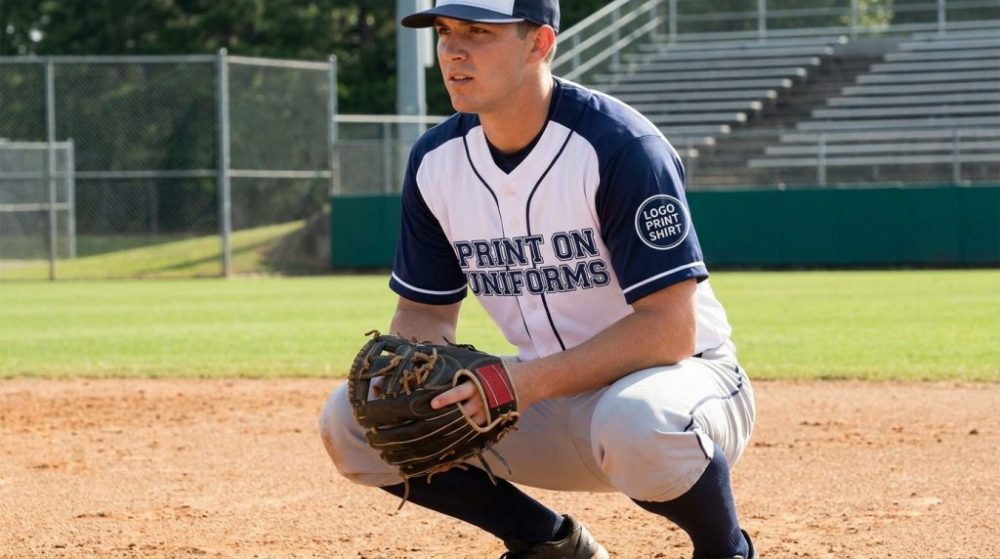
What athletes wear affects how well they handle heat, so dressing for the conditions helps. Lightweight, breathable, moisture wicking fabric helps the body manage sweat and stay cooler, while heavy fabric that traps heat and holds moisture makes things worse. Light colored gear can also help reflect rather than absorb the sun’s heat. Companies that make performance team gear, such as Hamco Sports Inc, build uniforms from breathable, moisture wicking fabric designed to help players stay cooler in the heat, though it is important to remember that good gear supports but never replaces hydration and rest. The uniform can help, but it is one part of a bigger approach. Dressing smart is a useful piece of heat safety, not a substitute for the essentials.
Know the Warning Signs
Even with good prevention, everyone around a team should know the warning signs of heat related illness, since catching it early is critical. Signs can include dizziness, nausea, headache, muscle cramps, excessive fatigue, and confusion, and a very serious warning sign is when someone stops sweating despite the heat. If an athlete shows these signs, the response is to stop activity immediately, move them to a cooler, shaded place, help them cool down and hydrate, and seek medical attention, treating serious symptoms as the emergency they can be. Coaches and parents who know these signs and act fast can prevent a manageable situation from becoming a dangerous one. Awareness and quick action save real harm.
Building Good Heat Habits
The best protection is making heat safety a consistent habit rather than a reaction. Build hydration into every practice and game, schedule around extreme heat when possible, insist on rest breaks, dress appropriately, and make sure everyone knows the warning signs. When these become routine, a team handles hot conditions safely without a second thought, and athletes learn habits that protect them for as long as they play. Good heat habits are simple, but they have to be consistent to work. A team that treats heat safety as a normal part of playing in summer keeps its athletes healthy and its focus where it belongs, on the game.
Conclusion
Playing sports in the heat is a normal part of summer, but it demands respect, since heat related illness is both a real danger and a largely preventable one. Staying safe comes down to consistent habits, hydrating before, during, and after, scheduling and resting smartly, dressing in breathable gear, and knowing the warning signs so you can act fast. None of it is complicated, and together these habits let teams play through hot weather safely. Take the heat seriously, build the right routines, and summer sport stays what it should be, challenging and fun rather than dangerous. When in doubt about any athlete’s condition in the heat, always seek qualified medical guidance.
Frequently Asked Questions
Why is playing in the heat risky?
Hard activity in hot weather makes it harder for the body to stay cool, which can raise core temperature and lead to heat related illness, especially in young athletes.
How much should athletes drink?
Needs vary by athlete and conditions, but the rule is to arrive hydrated and drink regularly before, during, and after activity rather than waiting until thirsty.
When should teams avoid the heat?
When possible, schedule practices and games for cooler parts of the day and build in shaded rest breaks, easing into intense activity in hot conditions gradually.
What should athletes wear in hot weather?
Lightweight, breathable, moisture wicking, and ideally light colored gear that helps manage sweat and reflect heat, though gear never replaces hydration and rest.
What are the warning signs of heat illness?
Dizziness, nausea, headache, cramps, extreme fatigue, confusion, and especially a lack of sweating. Stop activity, cool the athlete, hydrate, and seek medical attention.