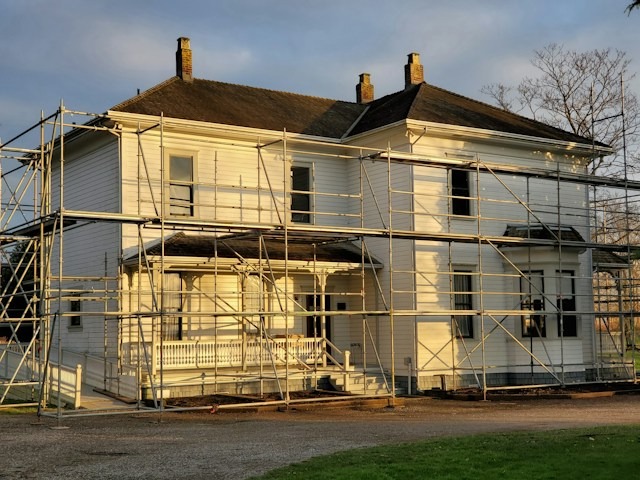
Historic buildings carry a kind of character that’s genuinely difficult to replicate in new construction, but maintaining or restoring them comes with a unique set of challenges that differ significantly from typical renovation work. Understanding these challenges helps property owners approach restoration with realistic expectations.
Balancing Authenticity With Modern Standards
One of the central tensions in historic restoration is preserving a building’s original character while still meeting modern safety and building code requirements. This often requires creative solutions that satisfy both goals rather than simply choosing one priority over the other.
Sourcing Period-Appropriate Materials
Many historic buildings were constructed using materials or techniques that aren’t commonly used today, which can make sourcing appropriate replacement materials genuinely difficult. Specialists familiar with historic restoration often maintain relationships with suppliers who can source or recreate these materials in ways a typical contractor wouldn’t have access to.
Roofing as a Critical Restoration Element
The roof is often one of the most visually significant and structurally important elements of a historic building, which is why heritage roofing work requires particular care and expertise. Getting this element right, using appropriate materials and techniques, has an outsized impact on both the building’s integrity and its historic authenticity.
Working Within Heritage Regulations
Many historic buildings are subject to specific preservation regulations that dictate what changes can and cannot be made, even for necessary repairs. Navigating these requirements adds a layer of complexity that property owners need to factor into both their timeline and budget from the outset.
Managing Costs on a Restoration Project
Historic restoration typically costs more than standard renovation, given the specialized materials, techniques, and expertise involved. Setting a realistic budget that accounts for these premiums, rather than assuming costs will align with a typical renovation, helps avoid unpleasant surprises partway through the project.
Finding Contractors With Genuine Restoration Experience
Not every contractor is equipped to handle the specific demands of historic restoration work. Seeking out professionals with a demonstrated track record in this specialized field, rather than assuming general renovation experience translates directly, significantly improves the odds of a successful, authentic restoration.
Restoring a historic building is rarely simple, but with the right expertise and a realistic understanding of the challenges involved, it’s entirely possible to preserve a structure’s character while ensuring it remains safe, functional, and standing for generations to come.
The Emotional and Community Value of Preservation
Beyond the technical challenges, historic buildings often carry significant emotional and community value that goes well beyond their market price. Property owners undertaking restoration frequently describe a genuine sense of responsibility toward preserving something meaningful for the broader community, not just for themselves.
Timeline Expectations for Restoration Projects
Historic restoration projects typically take considerably longer than standard renovations, given the specialized research, sourcing, and craftsmanship involved. Setting realistic timeline expectations from the outset, rather than assuming a restoration will proceed at the pace of a typical renovation, prevents frustration as the project unfolds.
Working With Heritage Consultants
Many successful restoration projects involve heritage consultants who specialize in navigating the intersection of preservation requirements and practical construction needs. Their expertise often proves invaluable in avoiding missteps that could otherwise compromise both a project’s authenticity and its compliance with applicable regulations.
A Rewarding, if Demanding, Undertaking
Owners who see a historic restoration through to completion frequently describe it as one of the most rewarding projects they’ve undertaken, despite the added complexity and cost, precisely because the result preserves something that couldn’t simply be recreated from scratch.
Preserving Something for the Future
A well-executed historic restoration doesn’t just serve the current owner — it extends a building’s life for future generations to appreciate, carrying forward a piece of history that would otherwise be lost. That broader sense of purpose is often what motivates owners to push through the inevitable challenges a restoration project presents, knowing the effort contributes to something larger than their own immediate ownership of the property.
The Lasting Legacy of Careful Restoration
Buildings restored with genuine care and expertise tend to stand as lasting testaments to that effort, often outliving the very owners who undertook the restoration and continuing to serve their communities for decades to come, long after the original restoration work has been quietly forgotten by all but the most attentive observers.
Documenting the Process for Future Reference
Thorough documentation of a restoration project — the decisions made, materials sourced, and techniques used — proves invaluable for future maintenance or subsequent restoration work, giving whoever inherits stewardship of the building a clear record to build upon rather than starting from scratch.
Passing On a Renewed Structure With Confidence
Once a restoration is complete, owners can hand the property on, whether through sale or inheritance, with the confidence that comes from knowing the work was done properly, using appropriate materials and genuine expertise, rather than shortcuts that might only reveal themselves as problems years down the line.