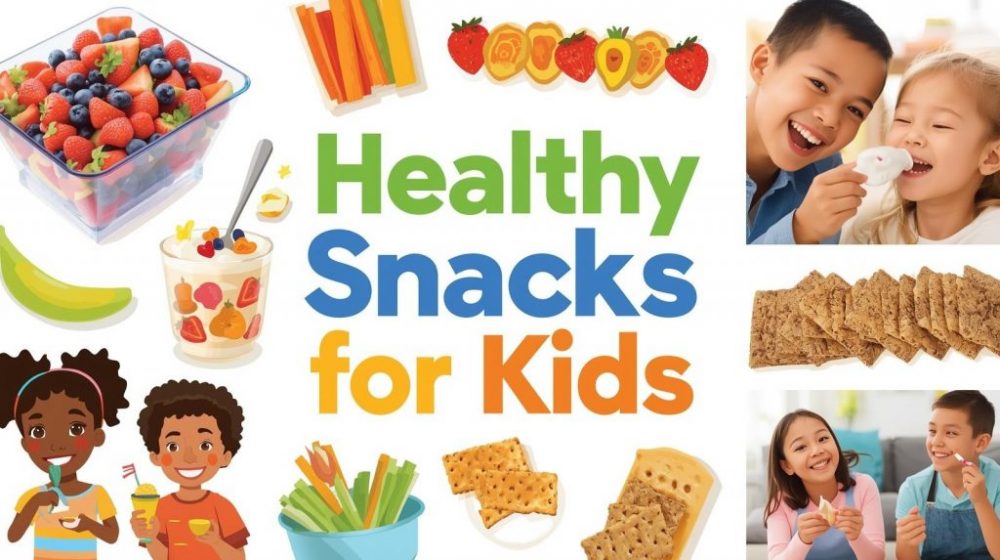
Searching for snacks that are healthy, kid-friendly and school-friendly can feel like a daily negotiation. Kids want fun and flavor. Parents crave nutrition, balance and less of a sugar crash. The good news? You can do that without being forced to choose one over the other.
This guide dissects healthy snacks for children in a more realistic, science-backed and practical manner. No food fads. No exaggerated health claims. Weird ingredients either, just smart choices that help fuel growth, energy and focus especially on busy school days.
We’ll determine what makes a snack really healthy, why snacks are such an important part of the equation for kids, and provide you with healthy kid snacks that do their job both at home and in lunch boxes. Throughout, we’ll tap into our trusted nutrition sources like the USDA, CDC and American Academy of Pediatrics to keep everything grounded in actual guidance.
Why Snacks Are More Important to Health Than You Think
Children don’t eat like adults. When you have smaller stomach and higher energy needs, snacks really do play a true nutritional role, not just a filler between meals.
Snacks, when chosen wisely, can provide important nutrients such as fiber, calcium, and potassium as well as good fats, you learn through the USDA Dietary Guidelines for Americans. Bad snack choices, meanwhile, usually pile on extra sugar/salt/saturated fat with very little nutrition in the bargain.
Well-planned snacks can:
- Support steady energy levels
- Improve concentration and mood
- Prevent overeating at meals
- Help meet daily nutrient needs
The American Academy of Pediatrics also notes that routine soothing snacks help kids keep their blood sugar on an even keel, especially during long school hours or vigorous play.
In short, snacks are not the problem. Unbalanced snacks are.
What is Considered a Healthy Snack for Kids?
Before getting into lists, it may be useful to outline the basic anatomy of a good snack. A healthful snack for kids will typically contain at least two food groups, which helps increase nutrient density and satiety.
The Ideal Snack Formula
Protein or healthy fat → keeps kids fuller longer
Carbs based on fibers → gut and energy friendly
Examples:
Apple slices + peanut butter
Yogurt + berries
Whole-grain crackers + cheese
The C.D.C. also advises individuals to choose foods and drinks with less added sugars and avoid highly processed foods, especially when those snacks are consumed daily.
If a snack is colorful, relatively unrefined and recognizable as food, you’re already halfway there.
Healthy Snacking Ideas for Kids that don’t seem Healthy
Let’s face it kids don’t care about fiber counts. They care about flavor, texture and enjoyment. These kid-approved and healthy snack ideas for kids stand up to the pack!
Fruit with a Protein Boost
Fresh fruit is sweet and loaded with vitamins. Pair it with some protein to make things a bit more substantial.
- Apple slices with nut butter
- Banana with yogurt dip
- Grapes with cheese cubes
Fruit contains natural sugars and fiber to help avoid energy spikes, the USDA says.
Yogurt (Plain or Lightly Sweetened)
There’s no getting around the fact that yogurt is great for kids on-the-go.
- Choose plain or low-sugar versions
- Garnish with fresh fruit, a bit more honey if you like
Dairy foods are a key source of calcium and vitamin D for bone development in children, the National Institutes of Health writes.
Homemade Snack Packs
You can find pre-packaged snacks and there is nothing wrong with that, but for the pure comfort of your own home, make them yourself.
- Whole-grain crackers
- Cheese cubes
- Baby carrots or cucumber slices
These balanced blends are ideal healthy snacks for kids school, portion control, and long shelf life.
Healthy School Snacks: Easy and Lunchbox Safe
School snacks have to withstand backpack treks and schedules and, sometimes, persnickety rules about allergens. Realistic, nutritious and universally accepted food Alternatives:.
Trail Mix (Nut-Free if Needed)
From Your Own Pantry A basic trail mix you make yourself an be both entertaining and full of healthy nutrients.
- Whole-grain cereal
- Seeds (pumpkin or sunflower)
- Dried fruit (unsweetened)
Avoid candy-heavy mixes. The aim is for sustained energy, not to get a sugar rush midway through math.
Whole-Grain Muffins or Energy Bites
Oat, Banana or Carrot: Make the muffins at home with oats and they can make a great healthy kids snacks for school.
- Use whole grains
- Limit added sugar
- Add some eggs or yogurt for a hit of protein
The Harvard T.H. Chan School of Public Health advises opting for whole grains rather than processed ones, for health of the heart — and digestive tract — even in kids.
Veggies with Dip
With the proper dip, raw vegetables are that much more enticing.
- Hummus
- Yogurt-based ranch
- Bean dips
Vegetables contain essential nutrients like A and C, while the inclusion of dips contributes much-needed protein or healthy fats toward making a snack feel truly satisfying.
Packaged Snacks: Make Smarter ChoicesWhat to look for in packaged snack foods.
Every snack is not going to be homemade — and that’s O.K. The trick is to read labels carefully.
What to Look For
- Short ingredient lists
- Recognizable ingredients
- Low added sugar (you’re looking for grams, not only claims)
What to Limit
- Artificial colors and flavors
- Excess sodium
- Sugary drinks marketed as snacks
Parents should use the Nutrition Facts label to compare products and make healthier choices, instead of relying solely on front-of-package claims.
How Often Should Kids Snack?
The average school aged child does best with 1-2 snacks daily based on meal spacing and activity throughout the day. Snacks won’t take the place of meals, but they will prevent ravenous hunger.
According to the Academy of Nutrition and Dietetics, eating every 3–4 hours throughout the day can help maintain energy levels and mood.
If a child is skipping meals or appears to be hungry all the time, snack quality (not quantity) is almost always the issue.
Forming Snack Habits That Will Last a Lifetime
Healthy eating isn’t about perfection. It’s about patterns.
Involve Kids in Snack Choices
When kids have a hand in selecting or assisting making snacks, they’re more likely to eat them. Let them:
- Pick fruits at the store
- Assemble snack boxes
- Choose between two healthy options
Do Not Label Foods “Good” or “Bad”
Nutrition experts, including those at the AAP, recommend neutral language when it comes to food. That cuts down on power struggles and that allows children to grow up with a healthier relationship with eating.
Final Thoughts: Little Snacks, Big benefits
Healthy snacks for office workers don’t need to be complex or extreme. It’s about balance, consistency and a bit of planning.
With real foods, wise nutrition pairings and a little magic (ahem, almond flour), it’s possible to support your child’s growth, focus and long term health (even on school days).
Whether you’re packing lunchboxes or looking for after-school healthy snacks, these ideas are based on the latest advice from the experts to provide balanced nutrition with that all-important energy boost.