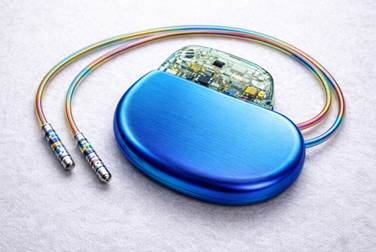
Cardiovascular healthcare development has brought about new methods to treat heart rhythm disorders which now use cardiac pacemakers as their primary treatment solution. The devices operate by using electrical impulses to maintain heart rhythm control whenever they identify irregular heartbeats. The last decade has seen market growth because of improvements in medical technology and better public understanding of cardiovascular diseases. Pacemakers have emerged as essential components of cardiac rhythm management because healthcare systems now prioritize both chronic disease treatment and patient outcome assessment. The worldwide adoption of life-saving devices is increasing because more people have heart disease and new technologies are emerging as well as healthcare facilities are spreading their coverage.
Understanding Cardiac Pacemakers and Their Role in Heart Care
A cardiac pacemaker is a small implantable device that treats arrhythmia conditions which cause the heart to beat either too slowly or too quickly or to beat in an irregular manner. The device creates electrical pulses which activate heart muscles to sustain a constant heartbeat. Modern pacemakers consist of a pulse generator, sensors and leads that connect the device to the heart.
So, there are many cases where they can be utilized:
- Bradycardia (abnormally slow heart rate)
- Atrioventricular block
- Heart failure in certain patients
- Other cardiac rhythm disorders
Continuous advancements in device design together with improved monitoring systems have resulted in safer and more efficient pacemakers that now provide better customization to individual patient requirements.
Market Overview
The cardiac pacemaker market has demonstrated continuous growth during the previous years. Approximately 1.25 million pacemakers are implanted worldwide each year. The number of pacemaker implants grows because more people learn about heart rhythm disorders and healthcare services become more available to them. Market analyses indicate that the global market will experience substantial growth during the next ten years because the market will increase from USD 5-7 billion in the mid-2020s to more than USD 10 billion by the mid-2030s which results from ongoing medical advancements and the increasing incidence of cardiovascular diseases.
The current growth path of this movement from its existing state is being determined by three major factors which include changes in population patterns, technological progress and better worldwide healthcare access. The pacemaker market has become an essential part of cardiovascular medicine because advanced cardiac rhythm management systems have gained widespread use, hospitals have developed their facilities and initial diagnostic methods have become more accessible.
Rising Prevalence of Cardiovascular Diseases
The global rise in cardiovascular disease cases which serves as the principal cause of death, drives the growth of the cardiac pacemaker market. The combination of poor dietary choices, physical inactivity, smoking and heavy drinking creates a higher risk of arrhythmias and heart problems which increases the number of patients who require pacemaker treatment. The worldwide population suffers from arrhythmia, which creates a need for efficient cardiac rhythm control devices and treatment methods.
Aging Population Driving Demand
The worldwide trend of people living longer in their lives creates a significant impact on the market for cardiac pacemakers. Elderly individuals are the primary candidates for pacemaker implantation because they demonstrate a higher tendency to develop heart rhythm disorders and structural heart diseases. Studies indicate that a large proportion of pacemaker procedures occur in patients aged 60 years and above. The global rise in life expectancy will result in a continuous increase in elderly people who need cardiac monitoring and rhythm management devices. Geriatric cardiac care receives more financial support from healthcare systems which leads to increased development of the pacemaker market.
Technological Advancements Transforming Pacemaker Devices
The cardiac pacemaker industry needs advanced technology as its essential element to achieve major industry transformations. The latest pacemaker technology includes modern features which improve both patient safety and treatment success rates.
Some of the most notable technology advancements include:
- Leadless pacemakers – the advanced technology enables the creation of smaller medical devices which doctors can use to implant pacemakers directly into patient’s hearts without using standard lead wires.
- MRI-compatible pacemakers – allowing patients to safely undergo MRI scans
- Remote monitoring systems – this new ideal ensures physicians can follow device performance and patient’s health online live
- AI-enabled pacing systems – modifying the pacing of the heart via interpretation of physiological data.
The new medical technologies improve patient outcomes through superior treatment results and reduced complications which occur with standard pacemaker systems. The combination of artificial intelligence with remote monitoring systems allows medical professionals to deliver more customized and timely cardiac treatment.
Growing Healthcare Infrastructure in Emerging Economies
The cardiac pacemaker market experiences growth in developing countries which serve as primary growth areas because healthcare spending increases, hospital facilities improve and people gain better access to advanced medical technologies. The Asia-Pacific region will experience fast growth because its patient population base expands, while people acquire more knowledge about heart health and the number of cardiac treatment centers increases. The healthcare system improvements which government initiatives bring will result from higher diagnostic capacity development.
Increasing Awareness and Early Diagnosis
The combination of public health campaigns with medical education initiatives has effectively increased awareness about heart health and the necessity of conducting early cardiovascular assessments. Patients now visit medical facilities to report their heart rhythm problems while new diagnostic methods which include wearable ECG devices and digital monitoring systems, have improved doctor’s ability to detect arrhythmias. The growing occurrence of early medical assessments has created a higher need for effective pacing solutions which include pacemaker devices. Improved educational programs for healthcare workers who handle cardiac rhythm problems will lead to improved patient care results and greater acceptance of pacemaker treatment.
Challenges Affecting Market Growth
Strong market opportunity and enrichment will bring significant advantages to the channel while juggling multiple challenges within the cryotherapy market.
Some of the key barriers include:
- Steep price tags attached to pacemakers and implants
- Limited healthcare access in low-income regions
- Risk of device complications or malfunctions
- Red tape that torments the approvals of new medical devices
In multiple developing countries affordable solutions still present a major problem. The expensive medical devices together with the lack of insurance protection, will stop most patients from getting pacemaker treatment.
Future Outlook
The future of the cardiac pacemaker market depends on the ongoing development of cardiac rhythm management technologies. Researchers and medical device manufacturers are developing pacemaker systems which have smaller dimensions, higher efficiency and longer-lasting performance compared to existing devices.
Expected trends will shape the sector over the forthcoming years:
- More people are using leadless pacemakers and wireless pacemakers.
- The system now includes AI monitoring together with AI predictive analysis tools.
- The healthcare system is developing more remote patient monitoring solutions.
- Healthcare providers are already dedicating more resources to developing less harmful methods of patient implantation.
With changing healthcare landscapes towards prevention and personalized medicine systems, there has been heightened demand for high-end cardiac rhythm management devices.
The cardiac pacemaker market is experiencing a major change because technological progress and population changes are altering cardiovascular treatment methods. As per Pristine Market Insights, the market is expanding because three primary factors lead to its growth as heart disease rates increase, the global population ages and pacemaker technology advances. Healthcare facilities are expanding their services while public knowledge about the health of heart increases which together create better opportunities for patients to receive essential pacemaker treatments. Medical technology will drive market growth despite current challenges with device costs and regulatory requirements.