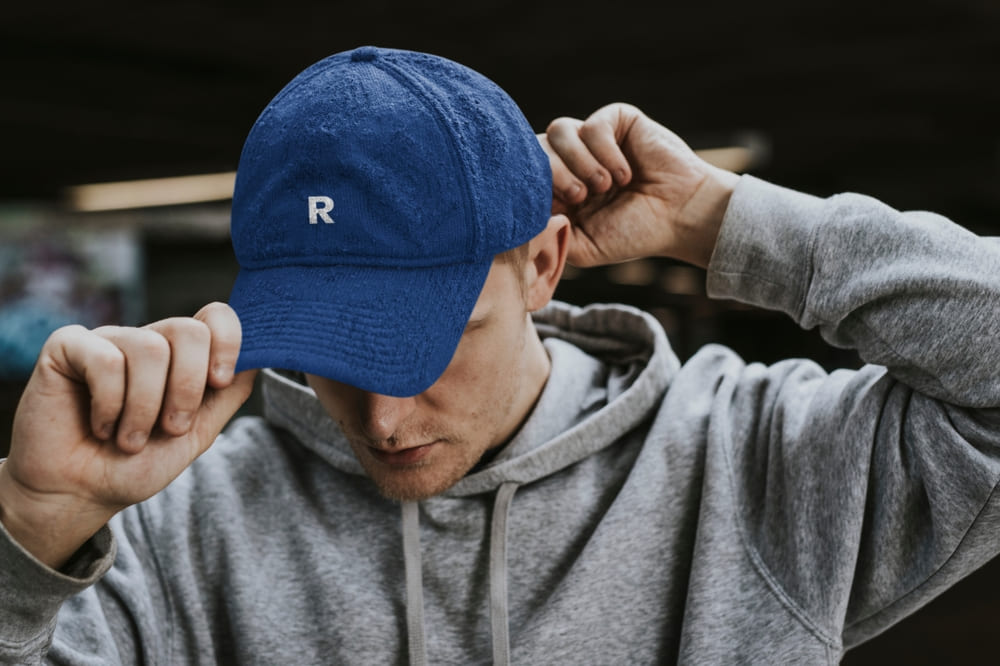
A cap is one of the simplest things you can order, which is exactly why the details get skipped. Buyers look at the logo mockup, pick a colour, and place the order. The panels underneath, the stitching that holds the shape, the button on top, the way it sits after a full day outside none of that shows up on a screen.
Those are the parts that decide whether a cap still looks sharp after a few months or starts sagging, curling at the front, or feeling wrong on the head. This piece walks through what actually matters before you order one.
Every Part of a Cap Has an Important Role
A cap is built from more pieces than most people realise: panels stitched together, a backing layer inside, eyelets for airflow, a closure at the back, and a button on top. Each one exists for a reason, not just as part of the design.
Most buying decisions focus on the logo and colour. The rest gets approved without a second look, even though those are the parts that decide how the hat performs after weeks of actual wear. The next few sections go through each one and what to actually check.
The Top Button Isn’t Just Decoration
Every six-panel cap has a small button stitched at the very top of the crown. It’s not there for looks. It sits exactly where the panels meet, covering the point where all the stitching converges.
What It Actually Covers
The panels that form the crown are sewn together at a single point on top. Left uncovered, that junction would show raw stitching and an uneven bump. The button hides it and keeps the shape looking finished.
When People Ask to Remove It
Not everyone wants it. A few common reasons people request a cap without the top button:
- It presses into the scalp under a hard hat or helmet
- It creates a pressure point with over-ear headphones during long shifts
- It gets uncomfortable under ear protection on job sites or at events
Those Small Holes Serve One Job
Every panel on a cap usually has a small stitched hole near the top. They’re called eyelets, and their only purpose is airflow. Without them, the crown traps heat against the scalp.
Panel Count Changes Airflow
More panels mean more seams, and more seams mean more eyelets. A six-panel cap gets more ventilation than a five-panel one built the same way.
Why This Goes Unnoticed
A cap photo never shows this. The difference shows up hours into wearing it, not at try-on. A warmer hat starts feeling tight and damp by midday, while a better-ventilated one stays comfortable through a full shift outdoors. The gap only becomes obvious with repeated all-day wear.
A Hidden Layer Keeps the Logo Flat
There’s a stiff backing sewn behind the front panels, and it’s the reason a logo doesn’t wrinkle or sag over time. Without it, the fabric behind the embroidery would flex every time the cap bends or gets tossed in a bag, and the stitching would slowly pull out of shape.
Stitch Density Matters More Than Stitch Count
Tighter, denser stitching holds its form through repeated wear and washing. Loose stitching loosens further with every wash cycle, and the edges start fraying first.
This is the actual difference between cheap and well-made custom embroidered caps: not the design on top, but what’s stitched underneath it. A logo that still looks sharp after a year of wear usually comes down to this one detail nobody asks about upfront.
The Closure Decides How the Fit Ages
The closure hardware sits under the logo, so it’s easy to overlook when placing an order. But it’s the one part that gets used every single time the cap goes on or off, which means it wears faster than almost anything else on the hat.
Snap Closures
Hold a fixed size well but can loosen slightly with repeated adjustment over months of use.
Strap Closures
Give a more secure, consistent fit since the strap threads through a buckle rather than clicking into fixed notches.
Hook-and-Loop Closures
Adjust the easiest, but the rough side snags on hair and fabric over time, and it wears down faster than snap or strap.
Team Orders Need a Different Checklist
A single cap for yourself is a style choice. Ordering for a team or business adds a few practical checks that decide whether the whole batch holds up the same way.
Panel Count for Logo Space
More panels give a flatter, wider surface for embroidery. A crowded logo on fewer panels tends to lose detail once stitched.
Fabric Weight for Local Weather
Auckland’s mix of sun, rain, and humidity wears cheap cotton blends faster than a heavier twill. Lighter fabric fades and softens quickly under regular outdoor use, so buyers ordering custom hats Auckland teams that will actually wear day to day should weigh durability over how the cap looks in a mockup.
Turnaround Time
Bulk orders take longer than one-off caps. Confirm production time upfront, not after placing the order, especially around busy seasons.
Check These Before You Order
- Confirm panel count if the logo is detailed or wide
- Ask about stitch density, not just stitch count
- Check the closure type suits how the cap gets worn
- Match fabric weight to how often it’ll be worn outdoors
- Decide early if the top button gets left off
- Confirm turnaround time before placing a bulk order
A Few Common Questions That Cover Crucial Details
1. When was the modern baseball cap first used?
The style dates back to 1849, when the New York Knickerbockers wore straw versions. The rounded shape with a top button came later, in 1860, introduced by the Brooklyn Excelsiors. The version most hats are still based on today.
2. Does wearing a cap affect hair or scalp health?
No, a clean, well-fitted cap doesn’t cause hair loss. The issue is hygiene, not the cap itself. A dirty hat worn for long stretches traps sweat and oil, which can irritate the scalp over time.
3. What are the main types of caps to choose from?
The most common are the baseball cap, snapback, trucker cap, and dad cap. Each differs in crown shape, closure, and how structured the front panels are, which affects fit and how a logo sits.
4. What’s the actual purpose of a cap besides style?
Sun and glare protection is the main function — the brim shields the eyes and face. Ventilated builds also manage sweat and heat during outdoor wear.
5. Does the type of cap matter for daily outdoor wear?
Yes. Mesh or ventilated builds hold up better through regular outdoor use than fully structured cotton ones, since airflow affects comfort more over a full day than it does on first try-on.
Final Thought
None of this comes down to one detail. It’s the combination of the backing behind the stitching, the closure that gets used daily, the fabric suited to actual weather, the button left on or off. Skip any one of them and the cap that looked right in a mockup starts showing it within months.
Before placing an order, ask about these specifics directly instead of relying on a photo. A supplier who can answer clearly, without hesitation, is usually the one worth ordering from.