Introduction
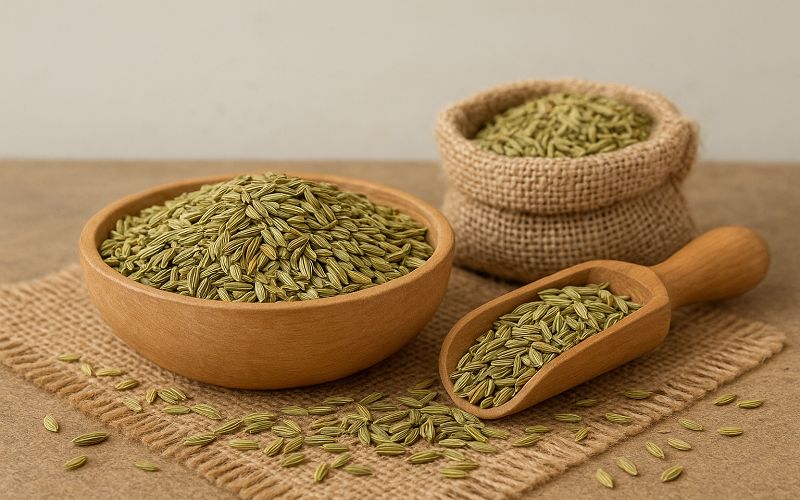
The fennel business looks simple from the outside greenish seeds, mild sweetness, bit of freshness, that soft aroma you can detect even from a distance. But anyone who has ever opened a container full of dull, flat smelling fennel knows exactly how easily that purity disappears. A lot of people in the supply chain treat fennel like some ordinary bulk crop. The exporters who actually survive long-term? They handle fennel like it’s something fragile, almost like tea leaves that can lose character if you blink at them wrong.
That gap between “just another seed” and “carefully protected aromatic ingredient”, that’s where the real difference lies. And that’s the space where the serious fennel seeds exporters operate today. Their entire workflow from the farm all the way to the loading dock has shifted into this mix of discipline, instinct, and old school experience backed by updated processes.
Starting from the Fields Instead of Fixing Things Later
Most quality problems begin at the farm. Everyone pretends cleaning machines can fix anything later, but they can’t fix a badly grown or poorly timed crop. Exporters who focus on aroma preservation know better. They step in early, long before the seeds reach a processing unit.
A big part of purity actually starts with soil. And variety. And that slow, steady maturity fennel needs to develop proper essential oils.
Sourcing From Known Pockets
There are certain regions where fennel naturally grows with stronger aroma. Not because of any fancy intervention just better soil, more predictable climate, and farmers who’ve been doing this for years. Export focused buyers lock those areas in and stick to them rather than chasing random suppliers.
Correct Harvest Window
Fennel loses aroma shockingly fast if cut too early, and it becomes woody or dull if harvested late. Good exporters don’t leave harvesting to guesswork. They time it. Farmers watch the seeds turn that faint green-golden shade. Careful checks ensure the crop isn’t holding moisture from a recent drizzle. Little things, but they stack up.
When the crop enters the supply chain right, the rest feels more natural. Less forced. More stable.
Multi-Layer Cleaning Instead of One and Done
People outside the industry think “cleaning” means one run through some dusty old machine. The exporters who ship premium fennel know better. Purity isn’t just about removing stones; it’s about removing anything that weakens scent, appearance, and consistency.
This is where the process starts to look more like a sequence rather than a single operation.
Airflow Separation
Light sticks, leaf flakes, loose strands air classifiers blow these away without stressing the seeds. It’s gentle, mechanical, and effective.
Density Sorting
Gravity tables separate the fully developed seeds from the underfilled ones. And honestly, this is where a lot of the aroma gains come from. The weak seeds pale, thin, too light don’t carry the same oil intensity. Removing them makes the batch brighter and more fragrant.
Metal Detection
Modern buyers don’t tolerate surprises. Metal detectors and magnets strip out any unexpected fragments. Not glamorous, but absolutely essential.
This entire cleaning setup doesn’t just create “clean fennel.” It creates fennel that smells more alive because impurities aren’t sucking moisture or affecting oil pockets.
Aroma Protection Through Slow, Controlled Drying
Here’s where many suppliers accidentally kill the aroma: drying. Sun-drying is still common, but sunlight + heat inconsistency + humidity = uneven aroma retention. Exporters who aim for premium quality have moved away from relying solely on weather.
Low-Heat Drying Rooms
These rooms don’t blast the seeds with heat. They nudge moisture out gently. It’s slow, consistent airflow, stable temperature, and minimal risk of oil evaporation. This is what keeps that natural sweetness intact.
Storage That Actually Protects Aroma
Once drying is done, the seeds can’t touch humidity again. Even a few hours exposed to damp air can flatten fragrance. Exporters store fennel in humidity-controlled rooms, sealed, monitored, and ventilated properly.
It’s not about fancy tech; it’s about protecting the fragile parts of the seed.
Grading That Focuses on More than Just Looks
A lot of people think fennel grading is just about color. Green = good, brownish = bad. But the exporters with the strongest aroma retention practices take grading deeper.
High-Resolution Color Sorting
Optical sorters pick out the faintest discoloration. Not to create a pretty looking batch, but because discolored seeds usually degrade faster.
Uniform Sizing
Larger, well-formed seeds hold aroma better. Size grading gives the batch more stability.
Oil Content Checks
Exporters run quick oil content checks on random samples. Just enough to confirm the aroma will hold during shipping.
These steps help them avoid sending fennel that looks okay today but collapses during the journey.
Purity beyond Appearance Microbial and Residue Control
Global buyers expect more than clean color and good fragrance. They expect safety, which means exporters must manage microbes, residues, and contamination risks without harming the natural aroma.
Residue Screening
Fennel batches undergo tests for residues and contaminants. Not because of regulations alone, but because residues can break the aroma balance over time.
Allergen and Cross-Contact Prevention
Facilities handling multiple spices risk cross contamination. Exporters who care about purity maintain dedicated lines or enforce strict cleaning cycles, ensuring the fennel doesn’t pick up unwanted odors or traces.
This quiet behind the scenes work is what keeps fennel genuinely pure, not just visually clean.
Packaging Designed for Long Distance Aroma Protection
If packaging goes wrong, everything goes wrong. Aroma is incredibly sensitive to light, heat, and oxygen. Exporters who send fennel across continents use packaging that shields it from all three.
Multi-Layer Bags
Foil lined or laminated bags lock out moisture and prevent aroma leaks. These layers keep fennel stable for long distance shipping.
MAP and Vacuum Packing
Some exporters remove oxygen from inside the bags. It slows down oxidation and protects the essential oils. Good for long routes, humid climates, and unpredictable shipping delays.
By the time the bags are sealed, the fennel is basically “in a protective shell.”
Smarter Loading and Transit Handling
Transport is where consistency often breaks. But top fennel seeds exporters don’t gamble with container conditions.
Moisture Control in Containers
Desiccant packs, dry sheets, and anti-condensation setups prevent humidity spikes inside containers. Without this, aroma can dull and seeds can clump.
Routing That Avoids Heat Pockets
Some routes expose containers to extreme heat. Exporters plan shipments to avoid the worst temperature zones whenever possible, keeping the natural oils stable.
These extra steps might seem small, but they’re the difference between a fragrant batch and a flat one.
Transparent Systems Instead of Fluff
There’s one more thing that sets serious exporters apart: they don’t operate blindly.
Digital Tracking
Many facilities track moisture, temperature, and storage conditions with sensors. This helps maintain batch consistency.
Tailored Grades
Different international clients want different specs size, color, and oil content. Exporters prepare custom grades instead of pushing a one size fits all batch.
That flexibility is part of how purity standards stay high.
Closing Thoughts
Purity and aroma aren’t accidents. They’re the result of a chain of decisions small ones, precise ones, sometimes tedious ones that shape fennel from field to container. The exporters who consistently deliver fragrant, clean, stable fennel build their entire system around protecting those delicate aromatic notes. The top fennel seeds exporters India don’t just ship seeds; they ship a preserved sensory experience that survives fields, machines, warehouses, and oceans.