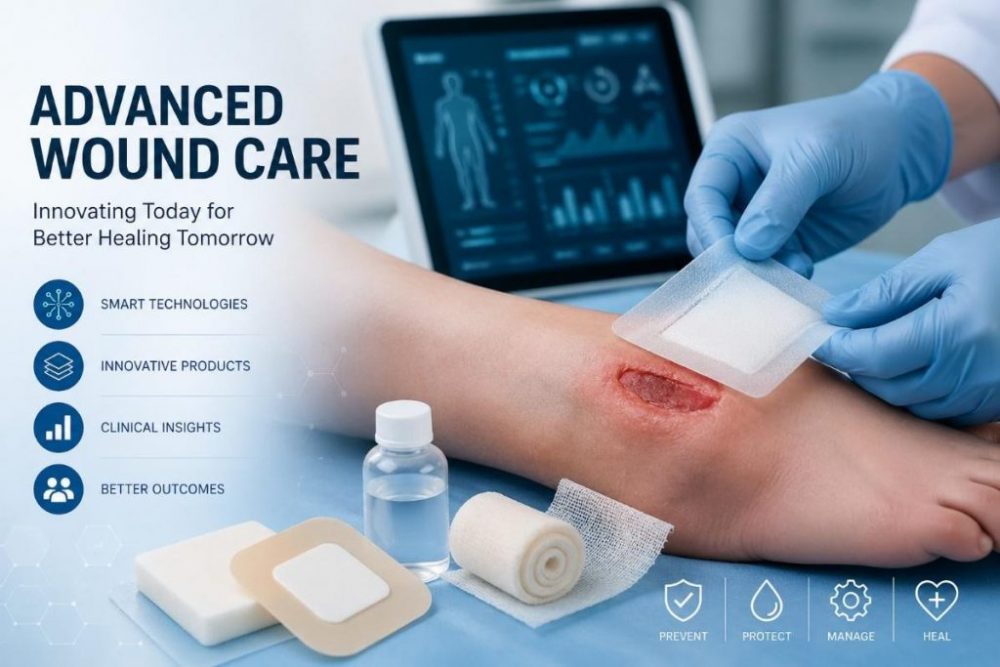
One of the reasons transforming healthcare worldwide is the surging number of chronic diseases as well as acute wound cases. The increase is mainly attributed to the aging of the population, higher incidence of diabetes, and the use of surgical procedures. These aspects have tremendously expanded the market as it is one of the fastest-developing segments in medical devices and therapeutics. Chronic diseases such as diabetic foot ulcers, pressure ulcers, and venous leg ulcers are the chief reasons for community long-term care needs.
Besides these, acute wounds due to trauma, burns, and surgery are increasing the requirement for treatment. All these conditions together leave healthcare systems no choice but to bring in more productive, technologically-advanced solutions that can significantly reduce healing time as well as complications. Industry analytics point out that the market is currently worth several billion dollars and is growing at a strong pace due to the clinical and economic challenges faced by healthcare systems.
Next-Generation Technologies Reshaping Wound Management
The process of wound monitoring and treatment, and healing methods now received a complete transformation through innovative solutions. Modern wound treatment methods have replaced traditional dressings with advanced systems that combine multiple functions and therapeutic properties.
Smart and Connected Dressings
The advanced wound care market has undergone major changes with the emergence of sensor-based dressings. The smart bandages function as monitoring devices that track temperature, moisture and pH levels to detect early signs of infection and wound healing problems. Certain setups enable healthcare professionals to receive information from the system that allows them to provide remote telemedicine services for wound care.
Key Technology Directions Include:
- Embedded biosensors for real-time wound monitoring
- Wireless data transmission to healthcare providers
- Integration with mobile health platforms
- Automated alerts for infection risks
The innovations help to reduce unnecessary dressing changes and improve patient outcomes by allowing earlier clinical intervention.
Artificial Intelligence and Digital Assessment
AI is becoming increasingly important in the classification of wounds and the monitoring of their progress. Deep learning systems are able to interpret images of wounds very accurately, thereby assisting clinical decisions and minimizing the element of human subjectivity in evaluations.
Digital Wound Care Platforms Are Enabling:
- Remote patient monitoring
- Automated wound measurement and segmentation
- Predictive healing analytics
- Clinical decision support systems
Such technologies are particularly relevant for homecare settings, where demand for remote management is rising rapidly.
Evolution of Advanced Wound Care Products
The product landscape is moving towards biological growth factors and regenerative solutions to advanced wound treatment, rather than traditional dressings.
Moisture-Retentive Dressings
All up-to-date wound care practice is geared toward creating and maintaining the ideal moist condition to enhance wound healing. The most common product types are as follows:
- Foam dressings for high-exudate wounds
- Hydrocolloid dressings for superficial wounds
- Hydrogel dressings for dry wounds
- Alginate dressings for bleeding wounds
These materials support autolytic debridement and reduce patient discomfort during healing process.
Bioactive and Regenerative Solutions
Clinical bioactive and regenerative methods are used by medical practitioners to heal highly problematic chronic wounds that are refractory to conventional treatments. The therapies use biologically based materials together with cellular stimulation methods to activate natural healing processes and restore tissue function. The body system receives two advantages from this treatment, as it helps to restore damaged skin and improves the success rate of wound healing in difficult medical situations.
Negative Pressure Wound Therapy
NPWT systems have gained more use as their technology effectively controls exudate while also reducing swelling and improving blood flow. Portable NPWT devices have become more common in outpatient centers and residential home health care settings.
Key Industry Shaping Direction:
Shift Toward Home Care:
The wound care management in healthcare systems is increasingly avoiding the issues of the hospital and shifting to the comfort of one’s home. This transition occurs as portable treatment technologies now enable better patient comfort while hospitals reduce operational costs.
Integration of Smart Healthcare Ecosystems:
Wound care is progressively being linked with the digital health platforms resulting in a highly connected ecosystem. Essential elements of the modern wound care strategies are becoming remote monitoring tools and cloud-based analytics.
Rising Focus on Prevention:
The market expansion results from preventive strategies that include using prophylactic dressings to stop pressure ulcers from developing. The new system helps hospitals decrease the rate of infections that patients acquire during their stay, and it lowers expenses for extended nursing care.
Challenges Facing the Advanced Wound Care Market
The advanced wound care market has to deal with many structural changes. Even though clinical demand is strong, these changes could restrict the development of the market. The elevated costs of advanced biomaterials, biologics and regenerative therapies create a major obstacle that prevents many healthcare systems and patients from accessing these products. The medical field encounters additional barriers to adopting new technologies as different areas experience reimbursement problems that result from their outdated coverage policies.
What’s more, regulations for new medical devices and biologically derived products are very complicated and change slowly, so market entry is delayed. Adoption is still very low in emerging economies due to the lack of infrastructure and most of the healthcare providers being unaware of the new products. What’s more, some of the new products even need additional and stronger long-term clinical evidence for their efficacy and cost-effectiveness in order to gain commercialization and be generally accepted as innovative wound care technologies.
Future Outlook: Toward Intelligent and Regenerative Healing
Over the next ten years, digitization will be very important, with AI and IoT monitoring systems. Aiding in real-time wound checking and making clinical decisions. Besides, biotherapies for tissue regeneration will slowly replace traditional wound dressings in the treatment. Of complex and chronic wounds, thereby assisting in quick tissue repair and better outcomes.
The rise of patient-centric home care models in remote clinical supervision. Is done to allow continuous monitoring outside the hospital, is another big trend. Pristine Market Insights has provided in-depth analytical insights about the developing advanced wound care. Field, examining how digital monitoring technologies and biologically based treatments are being integrated into the medical field. Their research shows that new smart diagnostic technologies and regenerative therapies are changing how hospitals treat wounds throughout the world.
Author Bio:
Teja Kurane is a research analyst specializing in healthcare and medical technology trends. With a keen focus on advanced wound care innovations. Teja delivers data-driven insights on emerging products, industry developments. And market dynamics, helping readers understand evolving technologies shaping the future of patient treatment and care solutions.