
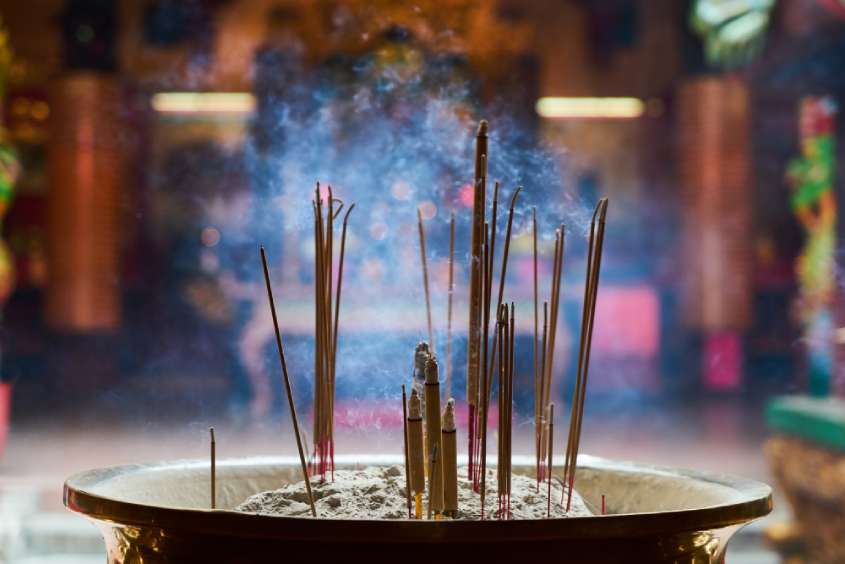
Throughout history, fragrances have held a profound significance in various cultures, often associated with spirituality, relaxation, and healing. Among the many aromatic wonders that have captivated human senses, sandalwood incense stands out as a timeless treasure. People have cherished this aromatic wood for its distinctive scent and therapeutic properties, using it in religious rituals, perfumery, and medicine for centuries.
What Is Incense
People burn incense—typically in the form of sticks, cones, or resin—to release its fragrant smoke. The word “incense” derives from the Latin word “incendere,” meaning “to burn.” This ritualistic practice has deep cultural and religious roots, serving as a means to purify the air, offer prayers, and enhance spiritual experiences.
Origin Of Sandalwood
Sandalwood, scientifically known as Santalum, comprises several aromatic tree species, with Indian sandalwood (Santalum album) and Australian sandalwood (Santalum spicatum) being the most renowned. Multiple civilizations have valued sandalwood trees for centuries, as they primarily grow in regions of India, Sri Lanka, Australia, and the Pacific Islands. Sandalwood incense, as the name suggests, is incense made primarily from sandalwood. Sandalwood is a fragrant wood derived from various species of sandalwood trees.
Historical Uses Of Incense Sticks
1. Ancient Rituals & Spiritual Practices
Sandalwood incense holds a sacred place in various religious traditions, particularly in Hinduism and Buddhism. Hindus consider it one of the most auspicious fragrances and often use it during ceremonies and rituals. Devotees apply sandalwood paste, derived from the heartwood, as a sacred mark (tilak) on their foreheads during religious events.
Buddhists use sandalwood incense in meditation and as an offering to deities. They believe its calming aroma aids concentration and enhances the spiritual experience. The use of sandalwood in these practices dates back thousands of years, showcasing its enduring significance in the spiritual realm.
2. Perfumery and Aromatherapy
Sandalwood has been a cherished ingredient in the world of perfumery for centuries. Its complex and long-lasting scent, described as woody, sweet, and creamy, has been a popular base note in countless fragrances. Perfumers highly prize the oil extracted from sandalwood for its fixative properties, which stabilize and enhance other fragrances.
Aromatherapists use sandalwood for its calming and grounding effects. They believe it reduces anxiety, promotes relaxation, and enhances mental clarity. Practitioners often burn sandalwood incense during meditation and yoga sessions to create a serene atmosphere that fosters spiritual practice and inner peace.
3. Medicinal Uses
Sandalwood has a long history of use in traditional medicine systems, such as Ayurveda and Traditional Chinese Medicine (TCM). People consider sandalwood a versatile remedy with various therapeutic properties. They apply sandalwood paste topically for its antiseptic and anti-inflammatory effects, making it effective in treating skin conditions and minor wounds.
Benefits Of Using Sandalwood Incense Sticks
Sandalwood incense offers various ways to incorporate it into our daily lives, providing a range of potential benefits for common issues:
Reduces Anxiety & Stress
Sandalwood incense possesses calming properties which helps to reduce feelings of anxiety & stress
Lowers Blood Pressure
Using sandalwood incense can reduce anxiety and hypertension, both closely linked to high blood pressure, potentially lowering blood pressure levels.
Improves Sleep
Sandalwood incense also helps to improve sleep and helps in treating people suffering from Insomnia
Helps In Reducing Depression
Sandalwood incense may provide relief from some symptoms of depression
Acts As An Insect Repellent
Sandalwood incense exhibits natural insect-repelling properties. Burning sandalwood incense near open windows during the summer can reduce the presence of flying insects.
Types Of Sandalwood Incense
Sandalwood incense comes in form of sticks and cones.
Sandalwood incense sticks are perhaps the most common and widely recognized form. These slender sticks are made by blending sandalwood powder with natural binders and fragrant oils. They offer a high level of convenience and simplicity in their usage.
Sandalwood incense cones are crafted in a conical shape and provide a slower, more controlled burn. This allows for a longer-lasting fragrance experience, making them popular for meditation and relaxation.
Trade Routes Of Sandalwood Incense
Sandalwood incense’s journey through history is intertwined with the trade routes that connected civilizations. These trade routes not only facilitated the exchange of goods but also enriched cultures with the fragrance of sandalwood
India, with its abundant Indian sandalwood (Santalum album), played a central role in the trade of sandalwood incense. It was transported along the Silk Road, connecting the Indian subcontinent to the Middle East, Southeast Asia, and China.
During the Age of Exploration, European powers sought direct trade routes to the source of valuable commodities, including sandalwood. The demand for sandalwood incense in Europe, especially for perfumery, led to explorations and trade with the East.
In the 19th century, Australian sandalwood (Santalum spicatum) gained prominence in the global sandalwood trade. Western Australia became a significant source, and its sandalwood was highly sought after for incense, perfumery, and medicinal purposes.
Conservation Efforts
Despite its rich history and cultural significance, sandalwood has faced numerous challenges, primarily due to over exploitation. Excessive harvesting of sandalwood trees has led to habitat destruction and a decline in their numbers. Many countries have implemented regulations and conservation efforts to protect these valuable trees and ensure their sustainable use.
Conclusion
As we appreciate the historical uses and trade routes of sandalwood incense, it’s essential to recognize the importance of conservation efforts to ensure that future generations can continue to enjoy its beauty and benefits. The story of sandalwood is a testament to the enduring power of fragrance to transcend time and connect cultures.