
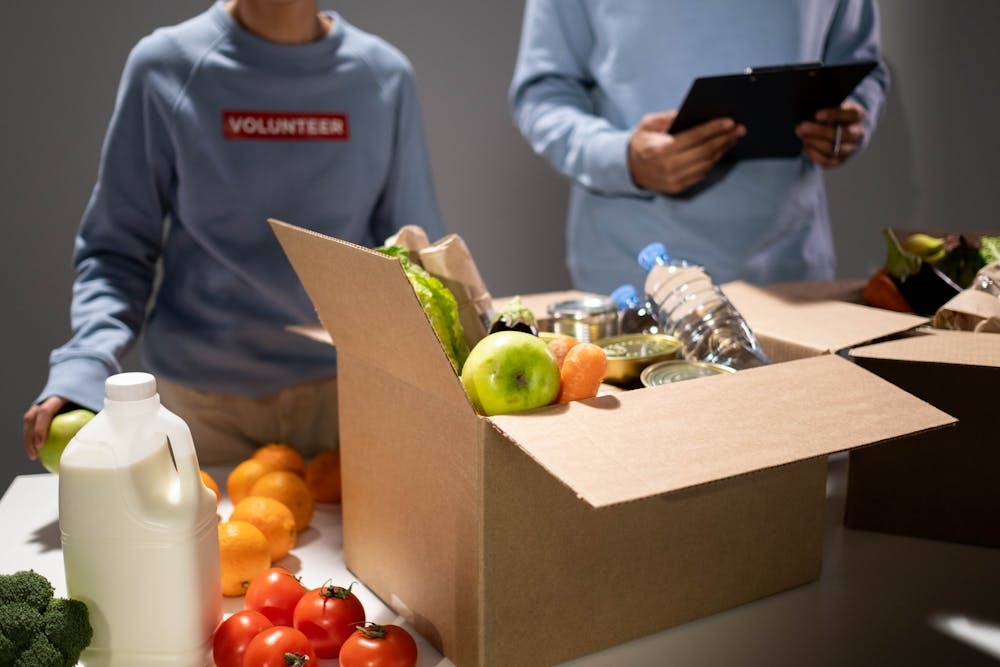
Food boxes have become a valuable and useful way of promoting healthy eating habits and assisting disadvantaged communities over the past few years. Be it a food box service to people, families, or to a nonprofit organisation such as Food for Gaza, a well-selected food box can help a lot in helping people achieve their nutritional goals and feed on a balanced diet, reducing the tendency towards processed foods, and developing a framework of healthy food consumption by providing well-checked items in reasonable quantities.
Developing an Insight into the Balanced Diet Concept
A balanced diet is based on the consumption of the right proportions of essential nutrients, including proteins, carbohydrates, healthy fats, vitamin and minerals. It has a focus on quality, moderation and diversity. Nevertheless, the modern busy world cannot create nutritious food because many individuals are too absorbed to prepare nutritional meals and in such cases, convenient food that lacks the necessary elements is resorted to.
This process is simplified with the help of a food box that has a strong range of healthy products. Vegetables, whole grains, low-fat meat, legumes, and healthy snacks are some of them. When given a box of foods rich in nutrients, it will be easier to incorporate balanced meals into the lives of people without necessarily worrying about additional purchasing and cooking.
Mindful Eating and Portion Control
One of the least appreciated elements of a healthy diet is portion control. Even foods which contain nutrients are prone to unbalanced consumption or putting on weight. Food boxes usually contain a certain amount of ingredients, and this will help individuals to get an idea about the correct amount of food to serve. Making meals with pre-portioned foods will encourage mindful eating, of course.
People begin to have a closer look at what and how they are eating. This awareness prevents overeating, improves the digestive system and also helps in managing weight. Such habits can shift an individual’s attitude to food in the short-term, and food consumption becomes a lifelong goal as opposed to a short-term destination.
Promoting Diversity and Variety of Nutrients
A tendency of many individuals includes eating the same meals each week, thus the variety of nutrient intake changes. A food box is often offered with the introduction of seasonal fruit and other types of foods that a person does not consume regularly. Food boxes ensure that the consumers obtain a variety of nutrients because they consist of a rotating variety of fruits, vegetables, grains, and meats. The leafy greens contain iron and calcium, citrus fruits contain vitamin C, whole grains contain fibre, and lean meats contain important amino acids. This type facilitates overall health, vitality and immune system activity. Also, variety brings interest and fun to meals. An enjoyable yet not restrictive way of eating healthy is likely to increase people’s adherence to nutrition goals.
Reducing Consumption Of Processed Foods
The content of processed foods includes a lot of sodium, bad fats, and added sugar that may be devastating to health and aggravate chronic diseases, such as diabetes, heart disease and obesity. The focus on whole and minimally processed ingredients is one of the best things about a meal box. The urge to indulge in packaged snacks or have a takeaway is eradicated when fresh and healthy foods are readily available.
Cooking at home is easy when one has easy access to healthy ingredients. This change with time could make the diet considerably better, and the long-term health results will be better. Cooking at home is easier when one can easily access healthy products. Such a transformation can significantly improve the long-term health status and the quality of diets in the long-term.
Promoting Fidelity and Meticulous Planning
Stability and continuity are the key to attaining and maintaining nutritional goals. John is also prone to being fed by both his peers at school and unbalanced diets at home due to poor eating habits, eating gaps, and unplanned food decisions. A food box organises weekly meal planning. Individuals are able to prepare their food beforehand since a wide range of dishes is already available.
This meal planning will ensure all the meals have balanced macronutrients. And it saves time as well as reduces food wastage. Being energised through the day and stabilising blood sugar levels are also other advantages. Of having regular access to healthy foods. Food boxes will allow the families to provide their kids with healthy meals and train them to have healthy habits. Food boxes offer a reliable foundation to give the organised meals to individuals. Who are managing specific nutritional needs, like weight loss or healthier heart health.
Improving Availability of Healthy Food
Accessibility is one of the components of having a healthy diet. Some communities might have a shortage of fresh and healthy food options, or cannot afford them. Food boxes are one way that this gap can be bridged by taking healthy meals to the homes. Such accessibility proves particularly useful during relief efforts and other volunteer activities. Since food packages provide the poor with an essential diet.
These boxes address hunger and promote long-term health because of their focus on healthy and balanced products. With the increased availability of nutritious food, people can be empowered to make healthy choices. In their diets and not face any logistical or financial challenges of doing so. This empowerment helps to build the resiliency and overall health of the community.
Conclusion
A food box is a powerful instrument for establishing a balanced diet. And achieving nutritional goals; it is not only an easy way to collect supplies. Healthy eating is made easier and more consistent through food boxes containing nutrient-dense, diverse, and portioned out ingredients.
