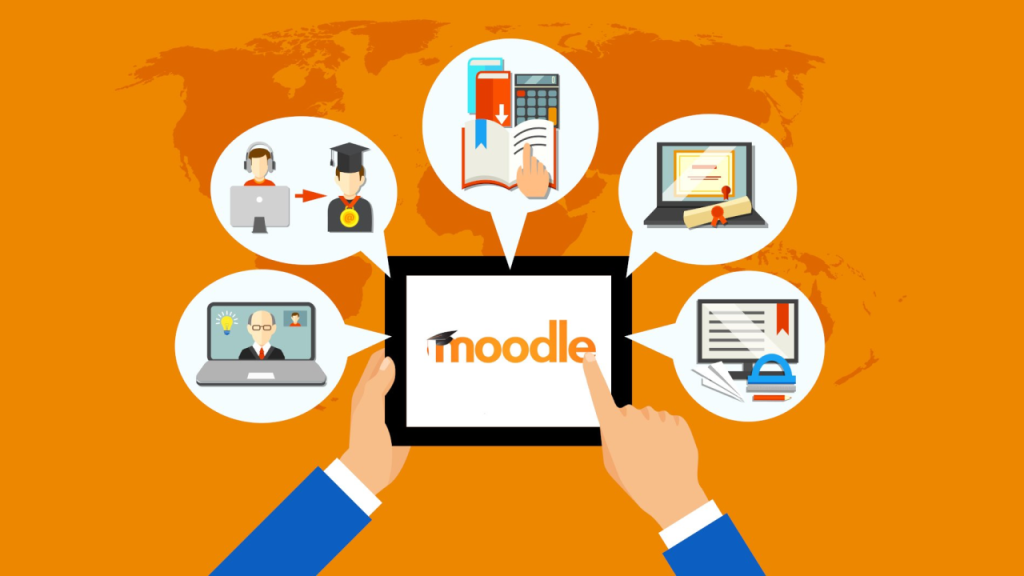
There are different characteristics that learners possess. Each person is a unique learner with a different learning speed, different goals, interests, and experience levels. An educational environment should be considerate of these factors and provide an opportunity for development to everyone. Moodle LMS Solutions enable educators to create unique educational paths for learners.
Understanding Diverse Learner Needs:
Personalised learning starts with the learners within the class. This is because some learners learn best by watching videos, while others would feel at ease when learning through reading, practicing, and discussions. There can be different learners regarding language proficiency, career goals, time available, and learning speed. Moodle provides teachers with the freedom of organising the content for personalisation of the students’ learning.
Course Flexibility for Different Directions:
There are multiple ways for one strong course to enable learners to reach their learning destination. Educators can leverage lessons, assignments, video content, and workshops for that purpose, as well as cater to individual preferences of their students. Conditional activities may be used to tie learners’ progress to subsequent learning steps. For instance, the completion of a basic quiz can unlock a more complex topic.
Learning Based on Pace and Progress:
Every individual requires his own time to grasp an idea. Moodle enables such learning through its facility for allowing users to access material in accordance with course policy and their own schedule. The tracking feature gives the learners a good picture of where they stand. The teachers can use this information to guide their students and suggest further practice.
Supporting Different Skill Levels:
Diversity may be characterized by beginners, skilled learners, and former learners. The Moodle personalized course can have basic information together with more complicated activities. The placement test, the learning plan, and the limitation of activities assist in directing the learners to the appropriate activities. The strategy will build the confidence of the learners and encourage curiosity.
Inclusive Learning Through Accessible Content:
Personalization will include ensuring that learning is comfortable and convenient for learners. Instructors may provide learners with captioning, readable documents, transcripts, clear instructions, and mobile-friendly content. Moodle provides learners with different types of content so that learners can choose the ones that they find most appropriate. Navigation and good course page design will allow learners to focus on learning.
Using Feedback to Guide Improvement:
Feedback helps guide the learner throughout their journey. Feedback through Moodle quizzes is available instantly, whereas feedback via assignments and forums is where instructors can give in-depth feedback. Progress reports assist instructors in identifying common learning requirements, and this in turn assists them in modifying activities accordingly. Personalised feedback can also act as motivation for learners.
Encouraging Learner:
Choice allows students to relate study to their own objectives. A teacher may give topics for choosing, project themes, practice exercises, and discussion questions. In such a way, students will have an opportunity to choose how to deal with the assigned topic. This freedom fosters responsibility and inspires interest.
In conclusion, it is only through connecting the course material with the objectives, skills, and performance of an individual that the personalised learning can be achieved. The capabilities provided by the Moodle LMS Platform give teachers the opportunity to offer flexible and accessible activities. Through planning and constant feedback, every learner gets an opportunity to move along their learning path.