
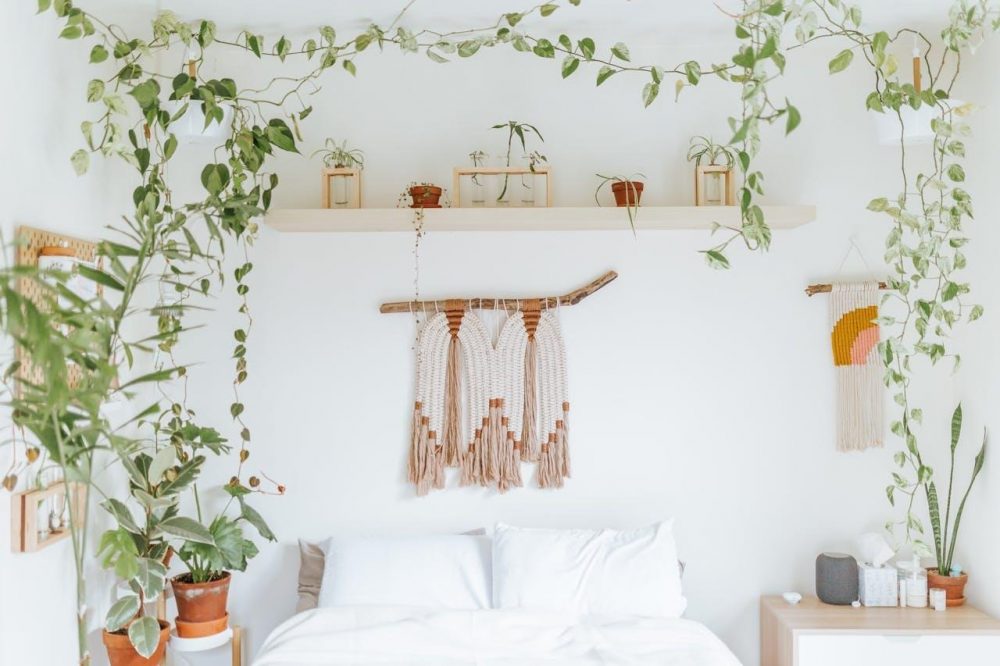
There’s something about Northern Europe that lingers long after you leave. Maybe it’s the stillness in the air, the way light stretches across quiet streets, or how even the simplest homes feel intentional and calm.
In cities like Copenhagen, Stockholm, and Oslo, design is treated as part of daily life. Every window matters. Every corner feels considered. The atmosphere stays soft but never dull, minimal without feeling cold. And after a trip like that, it’s hard not to look at your own space differently.
Travel doesn’t always inspire souvenirs. Sometimes, it inspires subtle shifts at home. Here’s how Scandinavian travel can influence the way we shape our own living spaces, wherever we are.
Light Always Comes First (For Good Reason)
In much of Northern Europe, daylight is precious. Winters can be long and skies often pale. Instead of hiding from that reality, homes are designed around it.
Heavy curtains are rare. Windows are often left open or lightly dressed. Pale walls and natural surfaces help reflect what little sun appears during colder months. The intention isn’t brightness for the sake of it. It’s about making the most of what’s available.
Rather than layering artificial lighting everywhere, many interiors rely on soft diffusion. Subtle materials can help amplify natural light, including decorative films that catch sunlight and scatter it gently across a room. Collections like this diffraction film reflect that same philosophy.
The effect feels effortless. Light becomes part of the design, not just something that fills it.
Bringing Nordic Calm Into Warmer Spaces
Scandinavian interiors are often described as minimal, but what makes them feel welcoming is texture. Wood floors, woven elements, stone surfaces, and linen fabrics with everything feels grounded.
There’s rarely an overload of color. Instead, spaces are layered with materials that soften edges and add warmth without visual noise. That’s why even simple additions can shift the atmosphere of a room.
Woven lighting, for example, introduces organic texture while keeping the overall look light and breathable. Details such as handcrafted basket shades bring in that relaxed, natural aesthetic often seen in Nordic homes, and they translate just as well to tropical climates. The look doesn’t feel styled for display. It feels lived-in.
It’s less about decorating and more about balancing.
The Modern Porch, Scandinavian Style
One of the most overlooked spaces influenced by Nordic living is the porch. In many Scandinavian homes, outdoor areas are treated as extensions of the interior. Clean lines. Soft cushions. Warm wood. Nothing excessive.
Even in warmer countries, this works beautifully. A modern porch inspired by Northern Europe might include:
- Neutral outdoor seating
- Soft throws for cooler evenings
- Simple ceramic planters
- Layered lighting rather than one bright source
It feels lived-in but not cluttered.
Travel teaches you that comfort doesn’t have to shout. It can sit quietly in a corner chair, in the way sunlight hits natural wood, in the simplicity of open space.
Personality Without Overdesigning
One misconception about Scandinavian style is that it lacks personality.
In reality, it simply expresses it differently. Instead of filling walls with statement pieces, Nordic homes rely on restraint. Objects are chosen carefully. Light is layered thoughtfully. Function matters as much as form.
That same mindset extends to lighting choices. As Meggan, co-founder of Color Cord Company, explains:
“To make your home better-looking inside and out, and make it smarter while doing so, choose smart light bulbs and smart plugs for your light fixtures. These can offer energy-saving benefits like scheduling your lights on or off at a certain time, as well as improve the vibe of your home’s interiors with more dimmable capabilities — all while being compatible with most contemporary light fixture designs. What’s important to note is that you’ll need a platform to control them, such as Amazon or Google devices, but most smart home platforms offer a robust suite of perks that improve the functionality and style of your home.”
In Scandinavian-inspired spaces, personality isn’t built through excess. It’s shaped through smart, intentional choices, including how light is used every day.
The Travel Effect: Why We Redesign After We Return
Time spent in Northern Europe often changes how people think about space. Scandinavian interiors feel open and thoughtful. Nothing is crowded, and light is treated as part of the design rather than an afterthought.
After experiencing that kind of environment, it’s common to come home and notice small things. A room may feel heavier than it needs to. The surface might look busier than before. The contrast becomes clearer.
The adjustments that follow are usually simple. A heavier fabric gets replaced with something lighter. Decorative pieces are edited down instead of added. Natural materials begin to feel more appealing than glossy finishes.
Northern Stars, Southern Living
The beauty of drawing inspiration from Northern Europe is that it translates across climates. Tropical homes benefit from airflow and brightness just as much as Nordic ones do. Sunlit spaces feel expansive regardless of geography.
The key is restraint.
Scandinavian design rarely tries to impress guests. Its prioritizes the people who live there. It values natural light, lets materials stand out, and fosters a sense of calm through thoughtful planning.
When you strip away trends, that’s what many of us are looking for anyway.
Just a space that feels good to wake up in.
Coming Home With New Eyes
The real gift of travel isn’t the photos. It’s perspective.
Standing under a pale northern sky, watching light stretch across quiet water, you feel space differently. And when you return home, that awareness follows you.
You begin to open blinds earlier, clear surfaces, prefer texture over shine, and pay more attention to how sunlight interacts with your living room floor.
Scandinavian inspiration isn’t about turning your home into a catalog page. It’s about keeping what feels calm and letting go of what feels heavy.
That’s a travel lesson worth bringing home.