It sounds easy to cook pasta at home–boil some water, pour in some pasta, strain, and eat–but it becomes apparent that it can be done well and it will taste and feel better. Cooked pasta must be tender and yet slightly firm at the center, taste good by itself, and be able to accommodate a sauce rather than turn mushy and tasteless. You can turn ordinary pasta into a restaurant kitchen dish with a few tricks.
Choosing the Right Pasta
The first step in cooking pasta properly starts before the water even boils: choosing the right type of pasta for your dish. Dried pasta, made from durum wheat semolina, is the most common and holds up well with hearty sauces like tomato-based, meat, or oil-based sauces. Fresh pasta, which contains eggs and more moisture, cooks quickly and pairs well with lighter sauces like butter, cream, or simple olive oil blends. High-quality Italian pasta often stands out because of its firm texture and ability to maintain structure during cooking, which makes a noticeable difference in the final dish.
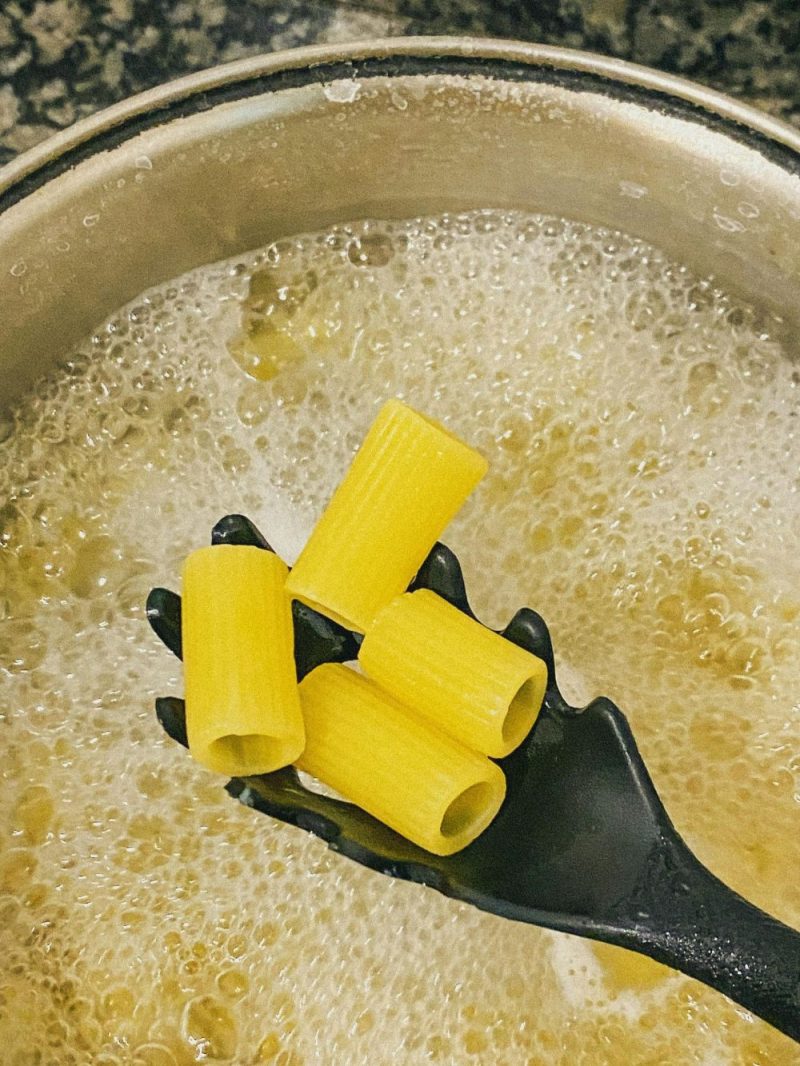
Shape matters too. Long, thin pasta such as spaghetti or linguine works best with smooth sauces, while shapes like penne, fusilli, or rigatoni are designed to trap thicker sauces. Matching the pasta shape to the sauce is one of the simplest ways to improve the final dish.
Using Enough Water
A common mistake when cooking pasta is not using enough water. To cook, pasta should be able to move freely to prevent sticking and clumping together. It is best to have approximately 4-6 quarts of water to 1 pound of pasta. It is essential to have a large pot; a small pot will result in uneven cooking and sticky noodles.
When boiling, place your pot of cold water into rolling boil and add anything to it. When pasta is cooked in cold or lukewarm water, they will turn gummy and unequally cooked.
Salted Water.
Salting the water is one of the most crucial, yet neglected steps. Salt is not only a spice of life, but the only possibility to season the pasta inside itself. Pasta would be plain even with a well-seasoned sauce without salt.
When the water is boiled, add a lot of salt. The water must have a flavor of sweet sea water. There is no need to be concerned with precise quantities; the average cook employs about 1-2 tablespoons of salt per large pot. The salt dissolves faster and adds flavor into the pasta when it is cooking.
Adding the Pasta
When the water is boiling vigorously, add the pasta all at once. Immediately stir to avoid sticking. This is particularly when cooking the first minute, when the starches are free and pasta is likely to clump together.
Do not break long pasta, unless necessary. It will sink in the water as it becomes soft.
Cooking to the Right Texture
Cooking time varies depending on the type and brand of pasta, so always check the package instructions as a starting point. However, the best way to determine doneness is to taste it rather than relying only on timing.
Properly cooked pasta should be “al dente,” an Italian term meaning “to the tooth.” This means the pasta is cooked through but still has a slight firmness in the center. Overcooked pasta becomes soft, mushy, and less enjoyable to eat.
Start tasting the pasta about two minutes before the recommended cooking time. This helps you catch it at the perfect moment.
Reserving Pasta Water
Before draining the pasta, always save a cup of the cooking water. This starchy liquid comes in very handy to correct the thickness of your sauce. It assists the sauce to stick to the pasta and makes it a more cohesive meal.
This is an important step in many of the restaurant-quality pasta dishes. A drier dish can be turned into a well-balanced and silky one with a splash of pasta water.
Draining Properly
When the pasta acquires the desired texture, it can be drained. A colander will work, but you should not rinse the pasta unless you are preparing a cold pasta dish such as pasta salad. Rinsing eliminates the starch that makes the sauce clingy to it, decreasing flavor and texture quality.
And if you are not adding the sauce at the moment, drizzle a little olive oil over the pasta so that it does not stick.
Bring Pasta and Sauce to a boil.
One of the most frequent errors is to put the sauce on pasta that is cooked on a plate. Rather, place the pasta and sauce in a pan and allow the two to cook together one or two minutes. This will enable the flavors to blend and will make sure the pasta absorbs some of the sauce.
Pasta water (a little reserved): Add only a little water to the sauce to loosen it and allow it to cover all the strands or pieces, evenly. The aim is to have a harmonized dish in which the pasta and sauce become one single entity and not two distinct parts.
Serving Immediately
Pasta should be served as soon as it is cooked. It is still absorbing sauce and may end up being dry or overcooked. Should you have to wait till you serve it, have it slightly undercooked, and add it to the sauce just before you serve it.
Finish your pasta with grated cheese, fresh herbs, olive oil or fresh black pepper. These last ingredients add flavor and make the dish look presentable.
Possible pitfalls to look out.
One can commit some common mistakes that can be easily prevented with a little bit of attention. One is putting oil in the boiling water. This will not stop sticking and in fact may increase the difficulty of the sauce sticking to the pasta in the future. The other error is overcooking which normally occurs when individuals leave pasta unattended. Being close to the pot and taking small bites is often a solution to this issue.
Never overcrowd the pot or too little salt either since they greatly influence the outcome.
Final Thoughts
There is more to cooking pasta than boiling noodles. It entails paying attention to details at each level, such as selecting the correct shape and salting the water, to tasting it to be done and mixing the dish properly with sauce. Once you master these fundamentals, you’ll notice a big improvement in both flavor and texture.
After some time, it becomes second nature to make great pasta at home. It is a little trick, but when it is done correctly, it will make a simple meal really gratifying.