
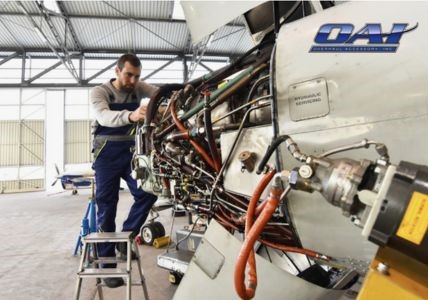
Hydraulic machinery is the backbone of industrial operations. Efficient performance of these equipment often determines productivity, safety, and profitability. A Hydraulic System Repair Service can transform the way your machinery operates, ensuring peak performance and minimizing costly downtime. By addressing hidden wear, leaks, and inefficiencies, these repair services create a long-term vision of operational stability that every plant manager dreams of achieving. The journey of machinery optimization starts with identifying the precise weak points in the system, from hoses to cylinders, and applying professional expertise to resolve them effectively.
Understanding the Importance of Hydraulic System Maintenance
Hydraulic systems rely on precise pressure, fluid flow, and component synchronization to operate effectively. Over time, even minor wear can escalate into significant inefficiencies. Regular professional hydraulic repairs ensure that every component works harmoniously. This not only increases machine life but also enhances overall energy efficiency. When operations run smoothly, companies save both time and operational costs. Moreover, preventive maintenance performed by skilled technicians reduces the risk of sudden breakdowns that halt production.
How Industrial NDT and Inspection Services Play a Role?
Industrial NDT and inspection services are often integrated into hydraulic repair routines to assess equipment integrity. Non-destructive testing allows technicians to identify cracks, corrosion, or leaks without dismantling the entire system. By combining this data with hydraulic repair expertise, machinery can achieve optimized performance. For instance, ultrasonic and magnetic particle testing can pinpoint hidden flaws in pumps or valves, enabling proactive repairs before they escalate. Consequently, the combination of repair and inspection ensures a reliable, long-lasting system that meets industrial demands.
Common Hydraulic System Issues and Their Solutions
Many industries face recurring issues with hydraulic systems, including:
- Fluid leaks: Minor leaks may appear harmless but can lower system pressure and reduce efficiency.
- Contamination: Dirt or metal particles in hydraulic fluid damage pumps and valves over time.
- Wear and tear: Continuous use can deteriorate hoses, seals, and cylinders.
Addressing these problems through professional repair services prevents operational disruption. Technicians typically perform pressure tests, fluid replacement, and component alignment to restore machinery functionality. Over time, consistent care leads to noticeable improvements in energy consumption and output efficiency.
Transitioning to Efficient Operations
Adopting a proactive approach with hydraulic repairs is a strategic move for industries aiming for maximum efficiency. Beyond just fixing breakdowns, professionals can provide tailored solutions based on usage patterns and machinery specifications. Regular maintenance schedules, combined with advanced inspection services, allow industries to anticipate issues before they occur. This strategic foresight ensures equipment runs consistently at high performance, reducing emergency repair costs and production delays.
The Long-Term Benefits of Professional Hydraulic Repairs
Engaging a Hydraulic Systems Repair Service ensures machinery operates at optimal levels for years. Companies notice improvements in workflow, reduced energy consumption, and decreased unscheduled downtime. Beyond immediate operational gains, long-term maintenance fosters equipment reliability, enhancing overall productivity. With the integration of industrial NDT and inspection services, potential hazards are detected early, creating a system that not only functions but thrives under heavy industrial demands.
Conclusion
Investing in professional hydraulic repairs and systematic inspections creates a roadmap for future-ready operations. A Hydraulic Systems Repair Service is not merely a fix—it’s a strategic partner for industrial efficiency, ensuring every machine performs reliably while extending its lifespan.