
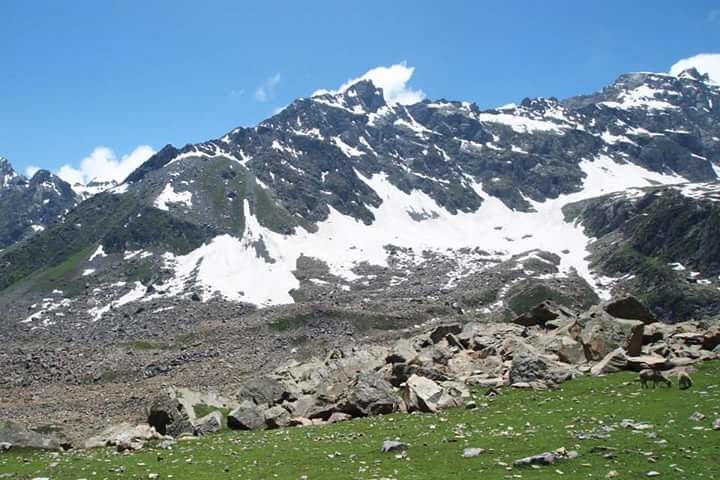
The first thing people ask is whether the hype matches the effort. It does, but only when you arrive prepared. The Great Lakes of Kashmir walks you past seven high-altitude lakes, each with a different mood. Some look calm like temple ponds. Others turn wild by afternoon winds.
What most blogs miss is how fast the landscape shifts here. One hour you cross soft green meadows. The next hour you climb loose rock under dark clouds. That contrast is why many fall in love with this route. It also explains why casual planning backfires.
I have seen people arrive thinking this is just another meadow walk. They struggle by day two, not because the trail is brutal, but because altitude and long walking hours add up quietly.
Kashmir Great Lakes Trek route explained in simple terms
The trek usually starts near Sonamarg and ends close to Naranag. In between, you walk across valleys that feel untouched by roads or phone networks. Each day follows a rhythm of early starts, steady climbs, and long descents.
You do not camp near villages after the first day. Once you enter the high meadows, your only neighbours are shepherds and their sheep. That isolation feels beautiful, but it also means self-discipline matters more than motivation.
The lakes appear one by one, not all at once. Vishansar and Kishansar arrive early and set expectations high. Gadsar tests your legs with a long climb. Satsar teaches patience with rolling terrain. Gangbal rewards you at the end with scale and silence.
Best time for Kashmir Great Lakes Trek and why timing matters
The best time for the Kashmir Great Lakes Trek is from mid-July to mid-September. Outside this window, snow blocks passes and weather turns risky. Even within season, every month feels different.
July brings fresh snow patches and bright green meadows. Lakes look dramatic but trails stay wet. August feels balanced with clearer skies and stable ground. September turns golden, colder, and quieter, with fewer trekkers on trail.
Monsoon does not behave here like mainland India. Rain comes in short spells, often afternoons. Mornings usually stay clear, which is why early starts are non-negotiable.
Choosing dates is not just about views. It decides how cold nights feel, how slippery climbs get, and how forgiving the trail becomes when fatigue sets in.
Kashmir Great Lakes Trek duration and daily effort breakdown
This Kashmir trek usually takes six to seven days, depending on your itinerary and weather buffer. Each day involves five to seven hours of walking. That may sound easy until altitude slows your pace.
Distance alone does not explain effort here. Continuous ups and downs drain energy faster than flat trails. Lunch breaks feel shorter because clouds often build by afternoon.
A realistic way to think about duration is mental stamina. Can you wake up early for six days straight? Can you keep walking even when views hide behind fog? Those answers matter more than speed.
Most people who enjoy this trek are not fast trekkers. They are consistent walkers who listen to their breath and take small steps.
Is trekking in Kashmir safe for first-time trekkers
Trekking in Kashmir feels safe when done with awareness and humility. The region has a strong army presence, and trekking routes stay monitored during season. Safety issues usually come from weather and health, not security.
First-time trekkers often worry about altitude sickness. That risk exists, but it stays manageable with slow ascent, hydration, and honest communication. Ignoring headache or nausea causes more trouble than altitude itself.
I remember a young office worker who struggled on day one but spoke up early. He rested, hydrated, and finished strong. Another fit gym-goer hid symptoms and had to descend. Fitness helps, honesty saves.
Fitness preparation for Kashmir Great Lakes Trek
You do not need athletic records for this trek. You need stamina that lasts many hours. Walking, not sprinting, is the core skill here.
Start preparing at least six weeks before departure. Focus on building a habit rather than pushing limits. Your legs must get used to daily repetition.
Simple preparation includes:
- Brisk walking or slow jogging for forty minutes, five days a week
- Stair climbing with a backpack once fitness improves
- Stretching hips, calves, and lower back after every session
Mental fitness matters too. Long silent walks train patience. Leave headphones sometimes and walk with your thoughts.
Things to carry for Kashmir Great Lakes Trek without overpacking
Packing smart decides comfort more than expensive gear. Weather changes quickly, so layers matter more than bulk. Every item should justify its weight.
Carry clothing that dries fast and keeps warmth when wet. Cotton fails here, even on sunny days. Footwear must already be broken in before arrival.
Essential items include:
- Two quick-dry trekking pants and one warm layer
- Three full-sleeve quick-dry tops and one fleece jacket
- A waterproof jacket with hood, not a rain poncho
- Trekking shoes with good grip and ankle support
- Sun cap, woollen cap, gloves, and UV sunglasses
- Personal medicines, sunscreen, lip balm, and wet wipes
Avoid carrying extra shoes, heavy towels, or large cameras unless trained. Every extra kilo shows itself on climbs.
Food, water, and staying healthy on trail
Meals during the trek stay simple but filling. Expect rice, dal, vegetables, and occasional eggs. Appetite may dip early due to altitude, which is normal.
Water sources come from mountain streams and lakes. Trekkers usually treat water using tablets or filters. Drinking small amounts often works better than gulping.
Health issues arise when people ignore basics. Skipping meals, under-drinking, or walking too fast causes most problems. The mountains punish shortcuts.
A small habit that helps is sipping water every twenty minutes, even when not thirsty.
Permits, guides, and why going organised helps
The Kashmir Great Lakes Trek requires permits that registered operators usually handle. Independent trekking is restricted due to safety and coordination reasons.
Going with an experienced team reduces mental load. You focus on walking while they track weather, campsites, and health checks. That support matters more than people admit.
If you choose an operator, ask about acclimatisation plan, emergency protocol, and guide experience. Price matters less than preparedness here.
Common mistakes people regret later
Many regrets surface after day one. Most come from rushing or underestimating terrain. Learning from others helps avoid repeating them.
Frequent mistakes include:
- Carrying heavy backpacks filled with non-essentials
- Wearing brand-new shoes on the trek
- Ignoring mild altitude symptoms
- Sleeping late and starting walks too slowly
None of these mistakes look serious initially. Together, they drain energy fast.
Why Kashmir Great Lakes Trek stays with you long after
This trek stays in memory because it tests without shouting. It asks for attention, not bravado. Lakes appear when effort peaks, teaching quiet reward.
You return home with stronger legs, yes. But you also return with slower thoughts. Many people feel calmer weeks later, unsure why.
Maybe it is the silence. Maybe it is the scale. Or maybe it is the reminder that progress comes step by step, not in leaps.
If you plan the Kashmir Great Lakes Trek with respect and patience, it gives back more than views. Are you ready to walk at the mountains’ pace, even when they ask you to slow down?