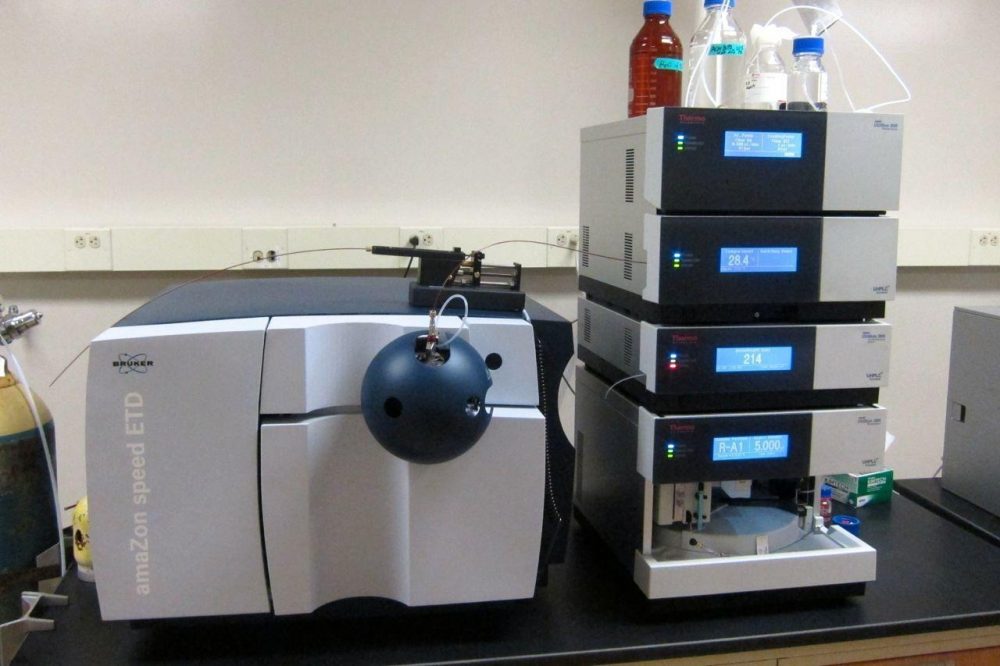
Proper identification of trace compounds is a very important task in toxicology and forensic science. Complex biological matrices such as analytes at a very low concentration are regularly dealt with by analysts. Analytical methods are required to comply with these conditions and ensure high sensitivity, specificity, and preserve the integrity of the data. LC-MS mass spectrometry fulfills these needs by allowing the accurate detection, identification, and quantification of compounds in controlled scientific procedures.
What LC-MS Does On Analytical Testing.
Liquid chromatography mass spectrometry is a combination of two complementary methods that are used to enhance the performance of analytics. Liquid chromatography separates the compounds according to some chemical characteristics such as polarity. These compounds are then identified by mass spectrometry using mass-to-charge ratios of the compounds.
Such integration boosts the power of analysis in various aspects:
- Isolates compound mixtures.
- Recognizes highly specific compounds.
- Measures more than one analyte in a run.
These characteristics render LC-MS a dependable methodology in labs that deal with multi-component biologic samples.
LC-MS uses in Toxicology.
Accurate measurements of drugs, metabolites, and toxic compounds in various biological media are necessitated in the study of toxicology. LC-MS complements such studies offering sound quantification on traced levels. It is a significant part of the pharmacokinetics and toxicokinetic analysis, in which the absorption, distribution, metabolism, and elimination of the drug undergo a critical analysis.
Key applications include:
- Plasma and tissue detection of drugs and metabolites.
- Support for pharmacokinetics and safety assessments.
- Preclinical and clinical implementation of LC-MS Bioanalysis.
Such. capabilities can facilitate the production of credible data needed to conduct safety assessment and regulatory inspection.
LC-MS in Forensic Science.
Taking accounts based on analytical precision is important in forensic research and investigations to present trustworthy evidence. LC-MS is useful in identifying the unknown substances in complicated samples in order to support both the investigation of crime and postmortem examination. Its capability of detecting low levels contributes to its use in screening drugs as well as in toxic substance identification.
Frequently used forensic uses are:
- Postmortem toxicology in order to identify the cause of death.
- Biological screening of drugs and alcohol.
- Detection of poisons and controlled drugs.
The high accuracy of LC-MS means the analysis results are scientifically valid and legally acceptable.
Importance of Sample Integrity and Preparation
Correct analysis begins with proper handling of the samples. Interfering substances can tend to occur in biological samples and interfere with the detection. Poor preparation may change the concentration of the analyte and lead to flawed results. Properly prepared LC-MS samples enhance reliability and reduce variability.
Effective preparation includes:
- Monitored collection and storage.
- Eluents proteins and compounds that intervene.
- Focus of the analytes to better detection.
The steps ensure sample integrity and enhance analytical consistency. Appendage workflows cut down the variation within batches and enable reconciliation of results.
Must Read: High-Resolution vs Triple Quadrupole LC-MS/MS Analysis: Key Differences
Assuring Accuracy by Assay validation.
Validated analytical procedures are essential to reliable results. A validated mass spectrometry assay will provide results that have predetermined standards of accuracy and precision. To ascertain method performance, laboratories check several parameters.
This can be majorly validated by:
- Determining accuracy in repeated measurements.
- Testing using reference criteria.
- Calibration curves need to be developed.
The process guarantees that there is reproducibility and that the work of these analyzes meets regulatory expectations. It also assists in ensuring the consistency of performance using various instruments and in various testing conditions. Strong validation enhances confidence in data generated.
LC-MS Advancement in technology.
The contemporary LC-MS systems have enhanced sensitivity and quicker processing. Tandem mass spectrometry increases the selectivity by isolating target ions and diminishing the interference of the background. LC-MS MS Analysis enhances the performance of detection of complex samples with increased fragmentation data.
Advancements also include:
- Detecting down to parts-per-trillion concentrations.
- Large scale processing of large volumes of samples.
- Connectivity to systems like MSD Mesoscale systems.
These innovations aid in efficient and accurate bioanalysis in research and forensic uses. Instrumentation Advancements in instrumentation increase the quality of data and efficiency of operations. Automation enhances consistency and raises the rate of analytics.
Relevance in Regulations in Toxicology and Forensic Analysis.
Quantifiable conditions demand high standards of quality and compliance. Bioanalysis by GLP also makes sure that the generated data are reliable, traceable and reproducible. Laboratories are supposed to adhere to the laid out guidelines during the analysis.
Compliance includes:
- Readiness to FDA and ICH guidelines.
- Record keeping of auditable and traceable records.
- Adoption of protection of data systems.
Effective regulatory practices minimize the threats of rejection of data and contribute to acceptance, both in clinical and forensic settings. The right documentation also makes sure of transparency in the audits and inspection. Regular adherence facilitates credibility of the data over time.
Conclusion
Reliable and reproducible analytical techniques are essential in complex environments such as toxicology and forensic science. LC-MS gives sensitivity and specificity required in determining trace compounds in bio-matrices. The significance of its use in analytical science nowadays is due to its role in pharmacokinetics, forensic investigations and regulated bioanalysis. Validated and compliant laboratories can provide data integrity and have regulatory acceptance throughout critical applications.