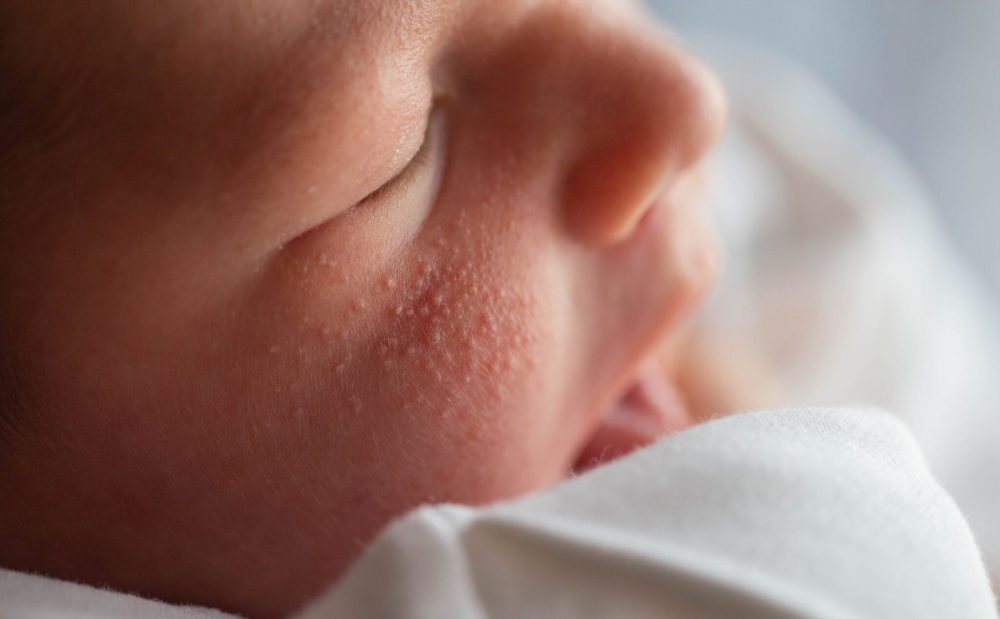
Tiny white bumps may seem harmless, but they often make your skin look uneven and dull. These small cysts usually stay on the skin for a long time and rarely disappear quickly without proper care. If clear and healthy-looking skin matters to you, learning the safest treatment options becomes important.
Choosing Milia Removal Near You allows you to understand available solutions, avoid common mistakes, and achieve smoother skin with the right guidance. A careful approach protects your skin while giving long-lasting results.
What Are Milia?
Milia are tiny white or yellowish bumps that form when dead skin cells become trapped beneath the skin’s surface. They commonly appear around the eyes, cheeks, forehead, or nose. Although they look similar to acne, they are completely different.
Unlike pimples, milia do not contain oil or bacteria. Because of this, squeezing them at home usually does not work and may even damage your skin.
Why Do Milia Develop?
Several factors cause milia to appear. Understanding these reasons helps you reduce the chance of getting them again.
Some common causes include:
- Dead skin cells trapped beneath the skin
- Heavy skincare or makeup products
- Skin injury during healing
- Long-term sun exposure
- Naturally slow skin renewal
Since many different reasons contribute to milia, proper skin evaluation always helps before choosing any treatment.
Why Home Removal Is Not the Best Choice
Many people try to remove milia using needles, squeezing, or harsh scrubs. These methods often create more problems than solutions.
Home removal may lead to:
- Skin irritation
- Infection
- Scarring
- Redness
- Delayed healing
Instead of forcing the bump out, it is much safer to let trained skin professionals determine the right treatment method based on your skin type.
Professional Treatment Offers Better Results
Professional care focuses on removing milia safely while protecting the surrounding skin. The treatment usually depends on the size, location, and number of bumps.
If you are searching for milia removal near you, professional evaluation helps identify whether the bumps are actually milia or another skin condition that requires different care.
Treatment is usually quick, and most people return to normal activities shortly afterward.
Common Milia Removal Methods
Manual Extraction
Manual extraction remains one of the most effective options.
A trained professional uses sterile tools to create a tiny opening before gently removing the trapped material. This process causes minimal skin damage when performed correctly.
Gentle Chemical Peels
Chemical peels remove dead skin cells from the surface and encourage healthy skin renewal.
They may help reduce future milia by improving skin turnover. However, not every peel suits every skin type, so proper guidance remains important.
Retinoid-Based Skin Care
Some skincare products support faster skin renewal and help prevent new milia from forming.
These products require consistent use and may not remove existing milia immediately, but they often improve overall skin texture over time.
Laser-Based Treatments
Some cases benefit from laser technology, especially when other methods are less suitable.
Laser treatment depends on your skin condition and should only be recommended after a proper skin assessment.
How to Prevent Milia from Returning
Although milia can come back, healthy skincare habits lower the risk.
Simple prevention tips include:
- Clean your face gently everyday.
- Do not use thick and pore-clogging products.
- Exfoliate carefully when suitable.
- Wear sun protection every day.
- Remove makeup before sleeping.
- Follow a skincare routine matching your skin type.
Healthy skin maintenance plays a major role in preventing future buildup beneath the skin.
When Should You Seek Professional Advice?
Persistent bumps that stay for weeks or continue increasing deserve professional attention.
A skin specialist examines the bumps carefully before recommending treatment. During the consultation, you may also discuss other cosmetic skin concerns. If additional appearance-focused treatments interest you, searching for a Dermatologist Cosmetic Near You may help you explore suitable options that match your skin goals.
Early assessment often prevents unnecessary skin damage from unsuccessful home treatments.
Can Advanced Skin Technologies Help?
Modern dermatology continues to improve treatment options for many skin concerns.
Although milia removal usually relies on direct extraction or skincare treatments, some clinics also offer advanced technologies for other skin conditions. While researching skin care providers, you may notice services such as SRT Dermatology Near You listed alongside cosmetic treatments.
These technologies serve different purposes, so the recommended option always depends on your individual skin condition after professional evaluation.
Choosing treatments based on proper diagnosis always provides better outcomes than selecting procedures without expert advice.
What Happens After Treatment?
Most people experience only mild redness after professional removal.
Your skin usually heals within a short period when proper aftercare instructions are followed.
Helpful aftercare includes:
- Avoid touching the treated area.
- Use gentle skincare products.
- Apply sunscreen daily.
- Avoid picking healing skin.
- Follow all recommended skincare advice.
Proper aftercare supports faster healing while reducing the chance of irritation.
Conclusion
The best approach to milia removal always focuses on safety, proper diagnosis, and healthy skincare habits. Home remedies often create unnecessary risks, while professional treatment removes milia with greater precision and care.
If smoother, healthier skin remains your goal, choosing milia removal near you gives you access to appropriate treatment options based on your skin’s needs. With the right care and consistent skin maintenance, you support lasting results while keeping your complexion clear, balanced, and healthy.