
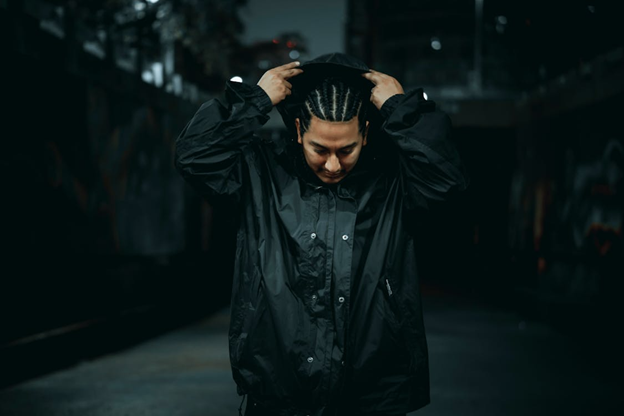
What society perceives as masculine is always shifting, and nowhere is this more obvious than in men’s fashion. In the 1800s, the most masculine outfit a man could wear consisted of skirts and bloomers, which depicted strength and status at the time, a clear indication of how clothing for men has evolved over time. Moving forward in time, traditional menswear up until the 1950s was rigid, functional and underrated, which is a stark comparison to the more fluid and expressive approach that is accepted today.
The modern man is not just dressing for purely functional reasons any more, but to express their personal tastes, preferences and show affiliation to specific social groups and fashion movements. Masculinity in a modern world reflects a movement towards a more inclusive definition, where individuality, emotions and creativity take centre stage over dominance and assertiveness.
Modern menswear trends strongly reflect this, aiming to break stereotypes, pushing versatility and comfort, and linking style and confidence together. This blog will discuss how modern menswear is defining how the modern man dresses and feels, discussing why this has happened and how you can apply this to your own outfits
1. Breaking traditional style rules
In 2026, outdated and traditionally followed rules of men’s wear are being challenged and bent to create looks that are more comfortable yet experimental. This includes the mixing of formal and casual pieces to create multifaceted looks that are comfortable and dimensional, colour palettes that go beyond neutrals and embracing accessories such as jewellery, bags and scarves. These elements that are traditionally associated with women’s fashion are being pushed, and clothing starts to lose its gender and is seen as an expression rather than a set of rules.
This narrative is not just being pushed in social groups but also online, through celebrities, designers and influencers such as Harry Styles and Rick Owens. This acceptance in the online and in-person spaces is allowing men to experiment without fear of judgment and the fear of how others may perceive them, allowing them to stand out authentically.
2. The rise of comfort and functionality
The shift towards comfort-driven fashion, such as athleisure, relaxed tailoring, and stretch fabrics, has been driven by preference and lifestyle changes. Personal preferences of men who want to be comfortable in everyday life have increased the popularity of baggy fits and stretch fabric, which are wearable, unlike suits and traditional wear. In addition, lifestyle changes after COVID have increased the popularity of remote and hybrid work, meaning that workwear has become comfort-based, as many workers are not leaving the house.
Examples of this include smart casual outfits replacing formal wear, pairing casual shoes such as trainers with suits and wearing softer silhouettes and looser fits as function becomes a key component of modern style identity.
3. Style as a tool for confidence and identity
Clothes are more than just something that you put on your body; they’re part of your identity, shaping how you feel about yourself and your mood that day. Modern menswear encourages men to express their personality, culture and values. Through styling and personal preferences, men can communicate who they are, whether that means only dressing in vintage fashion, sporting a streetwear look, or even wearing a signature standout piece that becomes part of their identity.
This shift towards authenticity highlights and rewards those who do not follow the rules and those who take fashion risks. Instead of following trends and wearing clothes that they don’t even like just for the sake of fitting in, men can feel truly like themselves and comfortable in their own skin. This transfers to feelings of confidence as men can finally be their true selves.
The influence of culture and diversity
The diversity and integration of global cultures have been a huge factor in defining modern menswear. Streetwear, which has taken over modern trends and styling, emerged from black African American culture and has since become a staple in modern clothing, inspiring tech suits, baggier clothing styles, and even double denim, to name a few. This has furthered in modern times with the introduction of the internet, making streetwear global, even reaching countries such as Korea, inspiring Korean street style.
Influences from all over the world, from different groups of people and cultures, have given members access to styles from all over the world that they can pick and choose to make their own. This variety has broken the norm that traditional men’s wear follows, as it removes what is standard from men’s style, as there is no norm now.
Overall, this dynamic shift in fashion has rewritten what is right and what is wrong, creating an inclusive and expressive space for men all around the world.
Final thoughts
Modern menswear has refined style and confidence in a new way, which prioritises self-expression, comfort and styles from all around the globe. No longer is menswear one monolithic style but a personal preference. So, whether you want to accessorise with some titanium jewellery or try out some bold street style outfits, express yourself in whatever way you would like.