
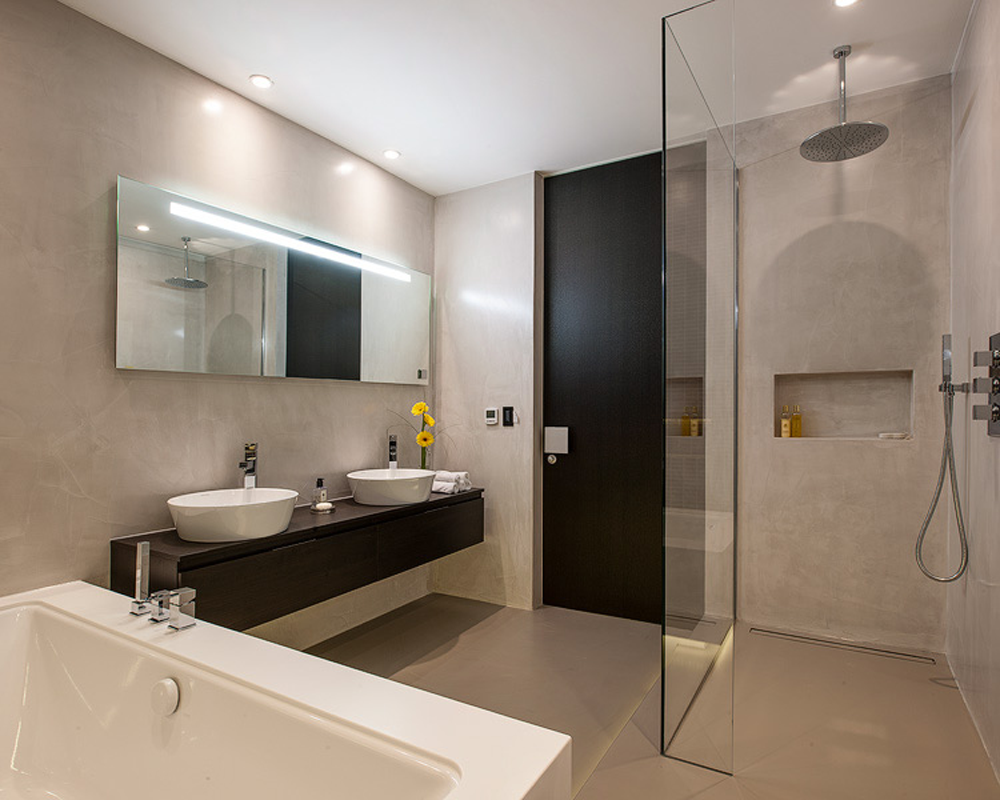
| Summary: Modular bathroom pods are fully constructed bathrooms produced off-site.They arrive at the construction project ready for installation.Pods help reduce on-site labor and simplify scheduling between trades.They are commonly used in hotels, student housing, healthcare buildings, and apartments.Modular construction can improve consistency across large projects. |
The construction phase of bathrooms creates their most challenging management problems because the completed building presents them as simple spaces. A very tiny area contains various activities. The installation of plumbing lines, electrical wiring, waterproofing, tiles, fixtures, and finishes requires perfect synchronization.
The entire project schedule will experience delays when any single task takes longer than expected.
The construction industry requires new methods for bathroom building according to current trends. The construction industry has developed an interest in modular bathroom pods as a viable solution during the past three years.
The building process requires construction teams to create complete bathroom units at remote locations, which they will transport to the site as finished components. The implementation of this method provides significant advantages for projects that require multiple identical bathrooms.
Understanding Modular Bathroom Pods
The basic definition of modular bathroom pods describes them as complete bathrooms that construction teams build at their manufacturing facilities. The finished product arrives with most of its interior components already installed. The installation process requires the implementation of plumbing pipes together with drainage systems, lighting systems, wall panels, fixtures, and flooring materials.
The construction team moves the pod into its designated location after they complete the building structure and then they link it to the building’s primary utility systems. The concept requires no advanced understanding. The unit needs pre-assembly because bathroom construction requires multiple tradespeople to work simultaneously in the same area for the entire building process.
The work distribution process moves major operational tasks to locations outside the construction area. The difference between the two scheduling methods creates a substantial impact on developers who manage large residential and hospitality development projects.
Why Construction Teams Are Considering Bathroom Pods
Construction teams today face multiple challenges that occur at all their job sites. Teams experience difficulties because they try to manage skilled workers while their project schedules have become stricter and their budgets face constant examination.
The bathroom facilities in the building increase those demands.
Imagine how an apartment building looks from the outside. The bathroom space needs plumbers, electricians, tile installers, and finishing crews to work simultaneously in its confined space. Each construction trade must wait until the previous trade has completed its work before starting its own tasks.
Distribution of work between trades leads to delays, which extend the project completion time.
The use of modular bathroom pods helps to decrease some of those challenges. The construction process of the main building allows for the simultaneous production of bathroom units, which take place at separate locations.
The building’s floor areas will be ready for pod delivery and installation when the construction process reaches that stage.
The shared design pattern across multiple projects allows for better schedule handling because it creates efficiency in managing time.
What Happens During Pod Manufacturing
The manufacturing process usually takes place in a specialized production facility.
It starts with the structural framework of the pod. This frame supports the walls, flooring system, and internal components. Once that structure is prepared, plumbing pipes and drainage lines are installed.
Electrical wiring and lighting connections are added next.
After the technical systems are in place, fixtures and finishes follow. That might include sinks, toilets, shower units, mirrors, and interior panels.
Before the unit leaves the factory, inspections take place. Plumbing systems are checked, electrical components are tested, and the overall finish is reviewed.
Only after these steps are completed does the pod get transported to the construction site.
When it arrives, the installation process is relatively quick compared with traditional bathroom construction.
Practical Advantages of Modular Bathroom Pods
There are a few reasons why the idea of modular bathroom pods is appealing to developers and contractors.
Time savings
Since production happens at the same time as building construction, projects can move forward faster.
More consistent results
Bathrooms built in a controlled environment tend to have fewer variations between units.
Less crowding on site
Because much of the work is completed before delivery, fewer trades need to work inside the building during later stages.
Simpler coordination
Project managers deal with fewer scheduling conflicts between trades.
These advantages are especially noticeable in buildings where hundreds of bathrooms share similar layouts.
Typical Projects That Use Bathroom Pods
Some types of developments benefit from bathroom pods more than others.
Hotels are probably the most obvious example. Guest rooms often follow the same design pattern, which makes modular production practical.
Student housing is another good fit. Many campuses build large residential complexes where bathroom layouts repeat across floors.
Healthcare buildings also use modular bathrooms in certain situations. Consistency and reliability are important in medical environments, so factory-built units can be useful.
Multifamily apartment projects are increasingly exploring this option as well. When a building contains dozens or hundreds of similar units, modular construction becomes easier to justify.
A Gradual Shift in Construction Methods
Construction as an industry tends to evolve slowly, but modular building techniques are gaining steady attention. Other industries adopted prefabrication years ago because it helped improve efficiency and consistency. Building construction is now beginning to move in that direction for certain components.
Bathrooms are particularly suited to this shift because their design rarely changes from unit to unit. That makes modular bathroom pods a logical solution for projects where repetition is high and construction schedules are tight. Over time, it is likely that more developers will explore this approach as modular technology continues to improve.
Modular Bathrooms and a Changing Industry
Building bathrooms on site has been the standard approach for decades. While the method works, it also requires careful coordination between several trades working within a small space.
Modular bathroom pods offer a different option. By assembling the entire unit in a controlled production facility, developers can simplify installation and maintain more consistent results across a project.
Companies such as Bathsystem USA have developed modular construction systems that support this approach. Their work in prefabricated building solutions reflects a broader industry movement toward efficiency, quality control, and predictable project timelines.
As construction methods continue to evolve, modular bathroom pods are likely to remain part of that conversation.
FAQs
1. What are modular bathroom pods?
Modular bathroom pods are prefabricated bathroom units built in a factory and installed in buildings as complete modules.
2. Why do developers use modular bathroom pods?
They help reduce on-site work, improve construction efficiency, and maintain consistent bathroom quality.
3. Are modular bathroom pods customizable?
Yes. Layouts, fixtures, and interior finishes can be adjusted based on the project design.
4. Do modular bathroom pods meet building regulations?
They are designed and manufactured according to local building codes and project specifications.
5. Which buildings commonly use modular bathroom pods?
Hotels, hospitals, student housing, and multifamily residential projects frequently use them.