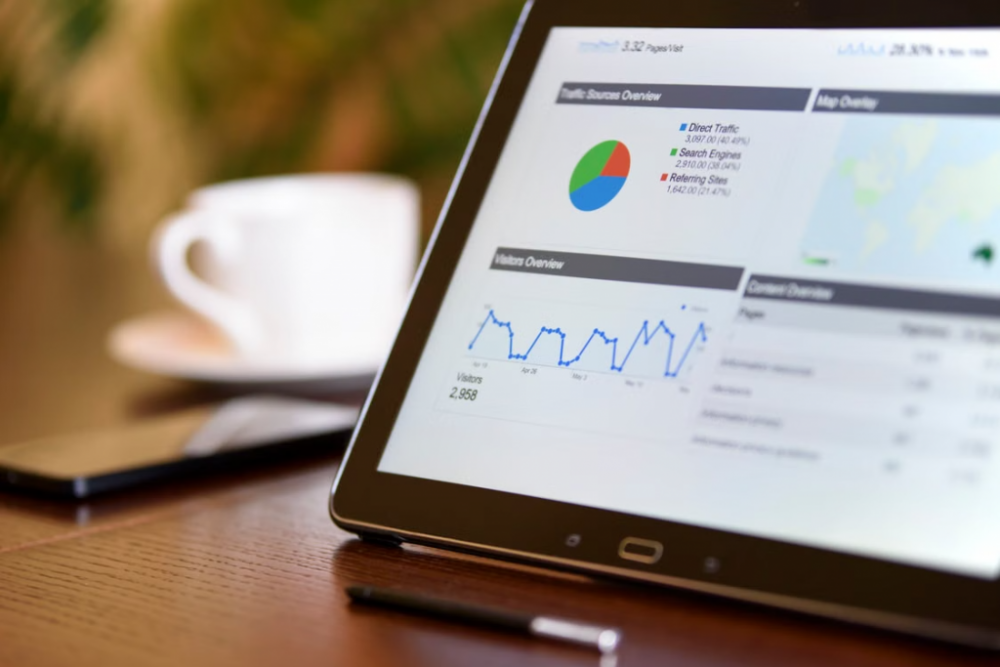
An abundance of digital marketing data is generated – website visits and engagement, conversions, sales, and the effectiveness of marketing activities and campaigns. Any eCommerce business knows the importance of data – what to do, where the activity ends and what has actually given the conversion. However, collecting the data is only part of the job, and is it used just as important as collecting it.
How can Odoo analytics for eCommerce and an Odoo KPI dashboard enable a data-driven digital marketing approach? With marketing, sales, customer, and eCommerce data integrated into one business system, Odoo empowers your teams to track results, analyze trends, and refine their marketing decisions.
Understanding Odoo Analytics for eCommerce
Analytics for eCommerce Odoo analytics enables online businesses to analyze the data that is produced along the process of selling online. Rather than evaluating marketing performance, web traffic, user data, and sales outcomes separately, businesses can have them all in one platform for evaluation.
Overall, this combined view allows marketers more insight into how their digital initiatives are impacting the business. For example, sales, behaviour and performance all provide an indication as to how your marketing campaigns are shaping the customer’s journey. Having all this information available in one place can often make life a whole lot easier when it comes to combining data from spreadsheets.
Why Digital Marketing Needs Data-Driven Insights
Digital marketing decisions are more sound when based on trustworthy performance data. A campaign may garner hundreds of thousands of impressions or visits to a website, but that doesn’t tell you how the campaign is helping your business grow. Marketers need to find out what happens after customers view or click on an ad, email, social post, or landing page.
Analyze market activity through Odoo analytics Connect marketing activity to overall eCommerce activity. With insights into customer behavior and links to order activity and business-related information, marketers are in a much better position to identify the campaigns that are really providing valuable business outcomes. They can then optimize campaigns and shift resources to these areas.
Significance of Odoo KPI Dashboard for Marketing
An Odoo KPI dashboard displays various KPIs on one easy-to-access location. Rather than navigating to different reports to see how campaigns are performing, a marketing team can use a dashboard to clearly visualise all key metrics.
With a KPI dashboard, marketers can monitor metrics for website activity, sales, customer engagement, conversions and other business goals. The relevant KPIs will be determined by company objectives and marketing strategy. If key metrics are continually visible, teams will be able to spot shifts in performance earlier and dig into the areas that need improving.
Connecting Marketing Activities With eCommerce Performance
Easy comparison between analytics and sales data Another significant benefit of Odoo ecommerce analytics is accessing marketing data in conjunction with sales and customer data. Online marketing, after all, is no separate entity from the remainder of your online business. Online marketing is meant to increase customer engagement, conversions, and revenue.
Linking your marketing and eCommerce data allows you to analyze how your campaigns affect purchase behavior. You might find, for instance, that spikes in campaign activity relate to fluctuations in product demand or customer orders. With this more comprehensive view of your data, your team will have a way to analyze digital marketing against your general business results.
Monitoring Customer Behavior With Odoo Analytics
Digital marketing and customer analytics… Tracking your customer behaviour Customer journeys are sometimes unknown, you need to be able to track how customers have arrived at your products or site, whether they have visited a couple of pages, moved away, come back again and finally made a purchase.
Odoo analytics for eCommerce allows companies to analyze available customer and sales data and look for trends in how customers spend. Marketing teams may leverage this information to discover what products are garnering interest from customers, what customers are returning for repeat purchases, and where there are potential areas to improve the experience. These can enable more targeted campaigns.
Measuring Campaign Performance More Effectively
A KPI dashboard in Odoo can also help ensure your campaign tracking is more organized by aggregating certain marketing metrics into a single view. Instead of having to review each campaign reporting individually, marketers can compare and analyze data.
For example, a company might track the following metrics for reporting: traffic, leads, conversions, customer acquisition efforts, and sales-related numbers. When these measures are viewed side-by-side, they present more information than a stand-alone number (for example, a rise in traffic without a corresponding increase in conversions is a clear cue for marketers to analyze the customer path, ad offer, landing page, or targeting).
Improving Marketing Decisions With Real-Time Data
Why Timely Data Is Necessary in Digital Marketing Having information at the right time is vital in digital marketing because the performance of a campaign can change rapidly. A delay in reporting can lead teams to spend additional money or resources on a campaign that is underperforming.
Odoo analytics for eCommerce If you are using an Odoo KPI dashboard, analytics with Odoo can give you a more up-to-date view of your business information. Marketing can see how well campaigns are doing, note significant variations, and use those insights as they tweak their campaigns. A quicker pace of data collection can also lead to improved communication between marketing, sales, and management teams.
Creating More Personalized Marketing Strategies
Personalization relies on understanding your customers and how they interact with your business. A generic marketing message may not appeal to every customer, especially if an eCommerce company has a range of customer personas.
Understanding Analytics provides insight into variations in buying behavior, product and purchase preferences and activity. From the data available to the marketing department, it allows them to create more tailored marketing campaigns and offers. When combined with information about products and sales figures, companies can more accurately determine which products or offers may be relevant to specific audiences.
Reducing Manual Marketing Reporting
Most marketers collect data from ad platforms, websites, spreadsheets, CRMs, and sales reports all the time. Combining this data in a manual way creates more work and opens the door for data discrepancies.
An Odoo KPI dashboard can make it easy by displaying the most relevant business metrics in a single reporting platform. With data consolidated in one place, rather than resending the same performance report, you can take time to focus on analysis and strategy. Automating and consolidating reporting can also save on time for recurring performance reviews by management and others.
Building a Data-Driven Digital Marketing Strategy
To improve digital marketing, measurement and analysis are always important. Odoo analytics for eCommerce also helps companies realize the relationship between customer behavior, marketing, and the outcome of eCommerce. Meanwhile, an Odoo KPI dashboard can simplify the measurement of critical metrics.
Combined, these three skills can enable more structured and strategic digital marketing. Relevant data can be used to analyze campaigns, gain insight into customers, track results and identify areas to optimize. Instead of thinking of analytics as a reporting requirement, organizations can incorporate data into their day-to-day marketing processes to lay the foundation for sustainable eCommerce growth.