
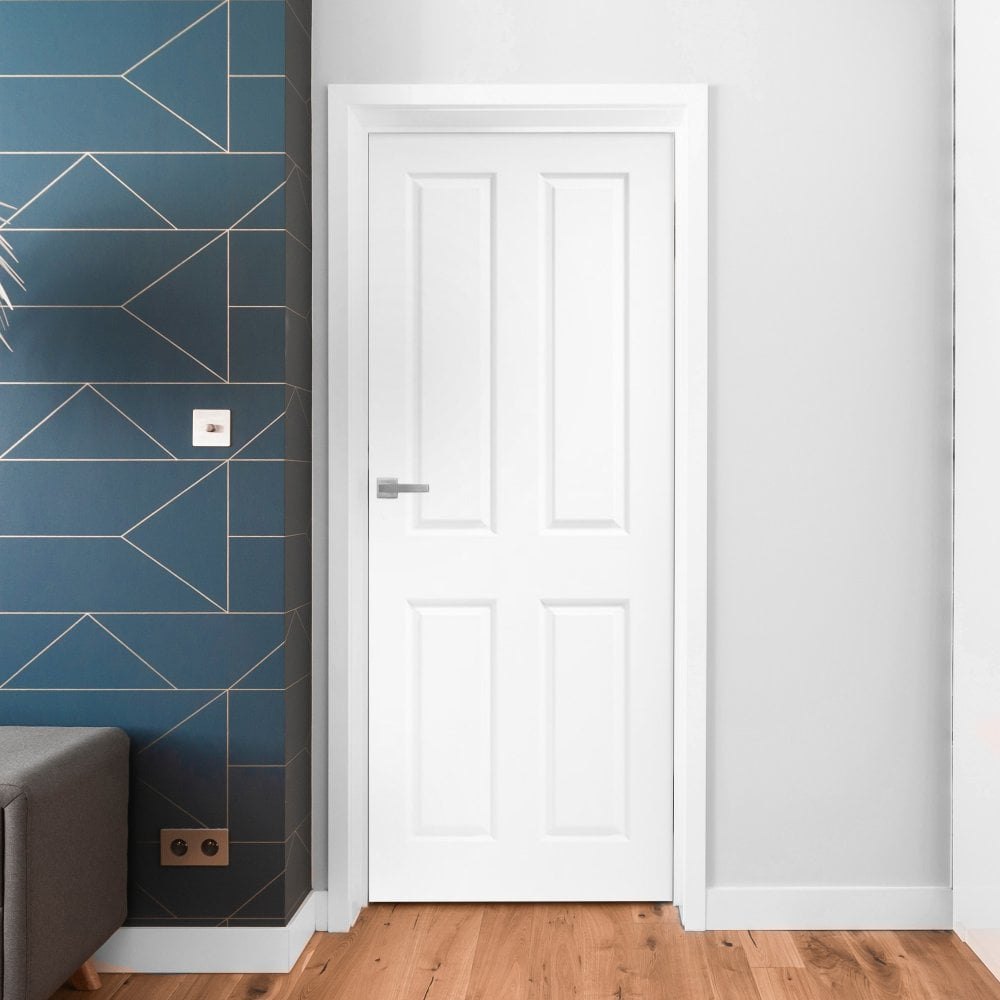
A door does far more than just close off a space. It separates privacy from noise. It helps set the mood for a room. It also carries a strong visual and functional role. When homeowners or contractors select doors, they often get caught up in colours or polish. But the real difference lies in how the door performs over the years.
Both Flush Doors and Molded panel doors offer long-term use when chosen wisely. Their design may look simple or attractive. But what lies inside matters just as much. That is where performance comes into the picture.
Understanding Flush Doors and Their Utility
Flush Doors have a smooth surface on both sides. They do not have intricate grooves or visible panels. This simplicity makes them a top pick for modern homes. Their plain design helps match any kind of décor. Whether it is a hotel room or a private bedroom, they give a clean and uniform look.
But visual appeal is not the only benefit. These doors are built with solid or semi-solid cores. This helps reduce warping in areas with moisture. The edges are sealed properly. This allows them to stay strong and not chip over time.
Why Flush Doors Are Reliable in Heavy-Use Areas
Many homes face frequent opening and closing of doors. Kids play around the house. Heavy bags bump into surfaces. Doors near bathrooms or kitchens also face steam and humidity. In these cases, Flush Doors offer better stability.
They do not gather dust in grooves. They do not require heavy polish. A simple wipe keeps them clean. These practical features make them ideal for schools along with offices and residential spaces where time and care are limited.
The Practical Side of Molded Panel Doors
Molded panel doors bring texture and character to a room. They are made from moulded fibreboard that gives them a raised or recessed panel look. This adds design depth without heavy wooden carving. These doors are often lighter in weight but offer good structure.
Their surface can mimic wood grains. Some come with smooth painted finishes. This gives homeowners the choice to match doors with walls or furniture. That is why Molded panel doors are widely used in living rooms and corridors.
Balancing Aesthetics with Practicality
The outer look of a door can never be the only criteria. Every door must block sound along with heat and dust. Molded panel doors offer basic insulation that supports daily comfort. Their cores can be hollow or solid. Some come with honeycomb filling. Others use high-density fibre for better performance.
In contrast, Flush Doors are often denser. This makes them suitable for areas that demand privacy. Bedrooms and study rooms can benefit from this quality. Both door types support different needs. That is why people must match function with form before selecting any door.
What Makes a Door Truly Long-Lasting
Durability depends on how well the door handles stress. Doors should not bend during monsoons. They should not crack during dry spells. The internal core decides how the door responds to such changes. Solid-core Flush Doors perform better under pressure. Their construction stays intact over years of use.
Paint finish is also a factor. Doors made of moulded panels are easy to paint. Individuals are able to repaint without scraping or sanding. This assists in transforming appearances at a low expense. This feature is used in fast refresh work in rented homes or budget setups.
Installation and Handling Matter Too
None of the doors can do a good job without fixing. Hinges must be set right. Edges must be aligned. At corners, sealant should be used. Flush Doors and Molded panel doors all need to have the frame fitted properly. With a properly suspended door, it opens and closes easily.
These doors are light in weight. This reduces pressure on hinges. In multi-floor buildings or older homes, lighter doors help avoid strain on old frames. That makes handling and movement easier.
Low-Maintenance Choices for Busy Homes
Cleaning should not take too long. Flush Doors have plain surfaces. This means stains can be removed with a damp cloth. No need for polish. No need for extra care. Just regular wiping is enough.
Molded panel doors also allow easy cleaning. A soft cloth and mild soap can clear marks. Their painted surface resists scratches to a certain extent. That is why both options offer low-maintenance performance across different home types.
What to Check Before Buying Doors
Buyers must look beyond finish. They must check what is inside. The type of core used in Flush Doors tells a lot about durability. The thickness and edge protection also matter. Similarly, in Molded panel doors, the mould quality and panel structure must be tested.
People should always ask for details before placing orders. Choosing a door is not just about price or design. It is about how the door will behave in daily use.
Why Thoughtful Door Selection Matters
Every space inside a home has a purpose. Doors support that purpose. Some rooms need privacy. Others need airflow. Some areas stay dry. Others face water exposure. That is why no single door can suit all needs.
A well-planned mix of Flush Doors along with Molded panel doors can make every room functional. The key is to plan based on use. When that happens, the home becomes more peaceful and easier to maintain.
Final Thought
Flush Doors and Molded panel doors are both good options to those who are concerned about design and also the daily durability. They all come with their own advantages to a home. Their acting is not just skin deep. That is why it is so important to select the appropriate type to the appropriate place.
People have a lot of faith in CenturyPly when performance is valued more than appearance. Their door solutions are designed to work over the years of daily usage. They are aligned with the contemporary taste and practicality. That is why they are a good choice in considered Indian homes.