
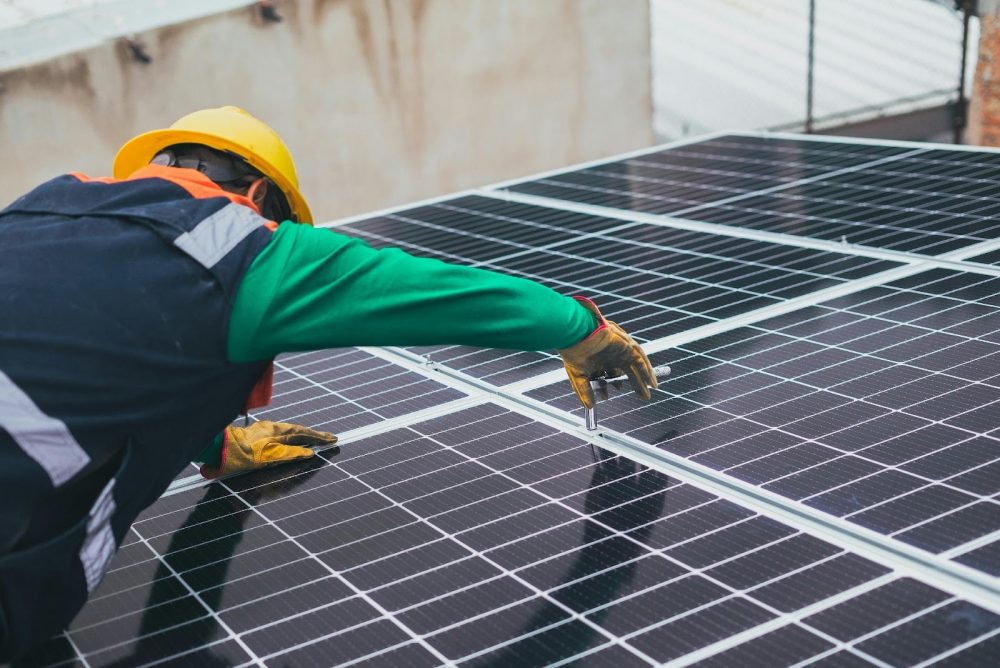
As solar power adoption increases around the world, homeowners and businesses are taking greater interest in extending the lifespan and performance of their systems. Solar panels are designed to last for decades, but their efficiency depends on the conditions they face. Dust heavy rain, humidity, salt in coastal air, bird droppings, and extreme temperatures can all affect how much sunlight reaches the cells and how long the panels continue working at peak efficiency. Understanding how to protect them from dust and weather damage is necessary to safeguard your investment.
Importance of Regular Cleaning and Maintenance
Dust accumulation is one of the most common environmental challenges solar panels encounter. Even a thin layer of dust can reduce energy production. The impact is more significant in dry regions where airborne particles settle and are not washed away by rain. Regular cleaning helps ensure optimal light absorption and prevents long-term staining that can compromise panel performance.
Many system owners prefer manual cleaning with soft brushes and purified water to avoid mineral deposits. In areas with frequent dust storms or industrial pollution more frequent cleaning schedules may be needed. Keeping an eye on the energy output of your panels can also help identify when dust buildup begins to affect performance. If sudden drops occur, a simple cleaning may restore productivity.
Benefits of Protective Coatings
Modern protective coatings give you an extra layer of defense against environmental wear. These coatings are designed to improve surface durability, reduce the frequency of cleaning and maintain effectiveness over time. A high quality solar panel coating can make the surface hydrophobic helping water slide away more and reducing the chance of dirt sticking. It can give you UV resistance and protect the glass from minor abrasions caused by sand or debris.
Some coatings have self-cleaning properties built in that cut down on manual maintenance. They react with sunlight to break down organic matter and let rainwater wash it away . This makes them helpful in humid regions where mold, moss or organic debris can pile up. While coatings don’t get rid of cleaning needs , they reduce how often panels need attention and provide extra protection from weather exposure.
Shielding Panels from Severe Weather Conditions
Weather related threats such as hail heavy winds and long periods of moisture exposure can lead to long term degradation. While solar panels are manufactured to withstand standard environmental stresses extreme conditions may still cause damage over time. Installing panels at a stable angle with strong mounting hardware helps prevent wind uplift and structural strain. In hail prone regions extra protective layers such as tempered glass films can reduce the risk of impact damage.
Moisture and humidity can also pose challenges if seals become worn. Making sure that all electrical components are enclosed keeps internal parts dry and prevents corrosion. Regular inspections of wiring, frames and junction boxes help detect early signs of weather related damage so repairs can be made before issues get worse.
Using Physical Barriers and Environmental Strategies
Physical barriers can add meaningful protection from outdoor elements. Mesh guards or small fences can help keep birds from nesting underneath panels and reduce droppings and debris accumulation. For homes in regions with salty air like coastal zones periodic rinsing is helpful to prevent corrosive buildup. In desert environments protective nets or partial shade structures can minimize sand impact during storms without affecting sunlight exposure.
Vegetation management also makes a difference. Overhanging branches can drop leaves or sap on panels and they can also become hazards during storms. Trimming nearby trees ensures both cleaner panels and safer system operation. Strategic landscaping can even reduce the amount of dust carried by wind.
Long Term Monitoring and Smart Technology
Advances in monitoring technology make it easier than ever to track system performance and detect environmental issues. Smart inverters and monitoring apps offer real-time data that show how panels are working. Sudden drops in output may point to dust accumulation, shading, or damage caused by weather events.
Thermal imaging and drone inspections see growing use for large or commercial installations. These tools quickly identify hotspots, cracks, or areas where dirt has built up . Early detection allows for targeted cleaning or maintenance that prevents minor problems from becoming major losses in energy productivity.
Conclusion
Protecting solar panels from dust and weather damage is essential to maintain consistent energy production and extend the lifespan of a solar power system. Regular cleaning strategic installation protective coatings and the use of monitoring technology all contribute to better performance and lower maintenance costs. With proper care solar panels can continue to operate for decades and ensure that your investment pays off through reliable and sustainable energy generation.