
Security used to mean locks, guards, and footage you checked only after something went wrong. Today, that approach feels outdated. Businesses operate across larger spaces, faster workflows, and higher risk environments. You cannot wait for incidents to happen anymore. You need to see them forming.
That is where remote monitoring changes the game. It shifts security from passive observation to active control. Instead of just recording activity, modern systems help organisations understand what is happening across sites in real time and respond before small issues become serious disruptions.
From Cameras to Intelligent Systems
Older surveillance setups focused on coverage. Today’s systems focus on insight. Smart monitoring tools analyse movement, prioritise faces, track behaviour, and alert teams when patterns shift. This is where the difference lies between watching and understanding.
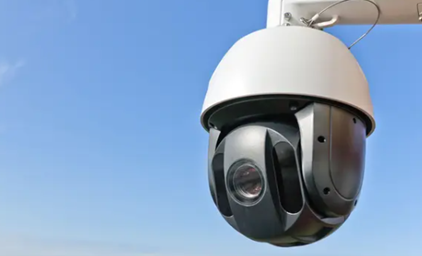
An Outdoor PTZ security camera adds another layer of control. Pan, tilt, and zoom functions allow operators to follow activity without switching devices. Instead of static frames, teams get fluid visibility. That means faster decisions, fewer false alarms, and better evidence when incidents need investigation.
In industrial settings, this matters even more. Machinery zones, loading bays, and restricted areas need constant awareness. Remote systems reduce human exposure to risky environments while still maintaining full visual control.
The Role of Image Quality in Risk Detection
Clarity is not a luxury in security. It is a requirement. When footage is soft or delayed, response time suffers. High-resolution imaging helps teams identify people, actions, and objects without guesswork.
This is where a Canon surveillance camera like the CR-N700 fits into modern monitoring environments. It delivers 4K video using a large 1.0-inch CMOS sensor and the DIGIC DV 7 processor, which improves both image detail and tracking accuracy. That combination allows security teams to zoom in without losing context and follow subjects smoothly through complex spaces.
Features such as face-priority autofocus also support quicker identification in high-traffic areas. In corporate buildings, retail centres, or transport hubs, that speed matters.
Centralised Control, Local Impact
Remote monitoring does more than reduce costs. It standardises security quality across locations. A warehouse in one city gets the same level of oversight as a headquarters in another. Data flows into one system. Reports stay consistent. Risks get flagged faster.
It also improves accountability. Recorded insights help managers adjust layouts, improve lighting, and redesign access points. Surveillance becomes part of operational planning, not just a safety net.
A Strategic Shift in How Security Works
Remote monitoring is not about replacing people with machines. It is about giving teams better tools to protect spaces intelligently. The shift is clear. From static footage to live intelligence. From isolated cameras to connected systems. From reaction to prevention. The CR-N700 supports this shift by combining broadcast-grade imaging with precision tracking and control. Used properly, it becomes part of a larger security strategy rather than just another device in the network.