
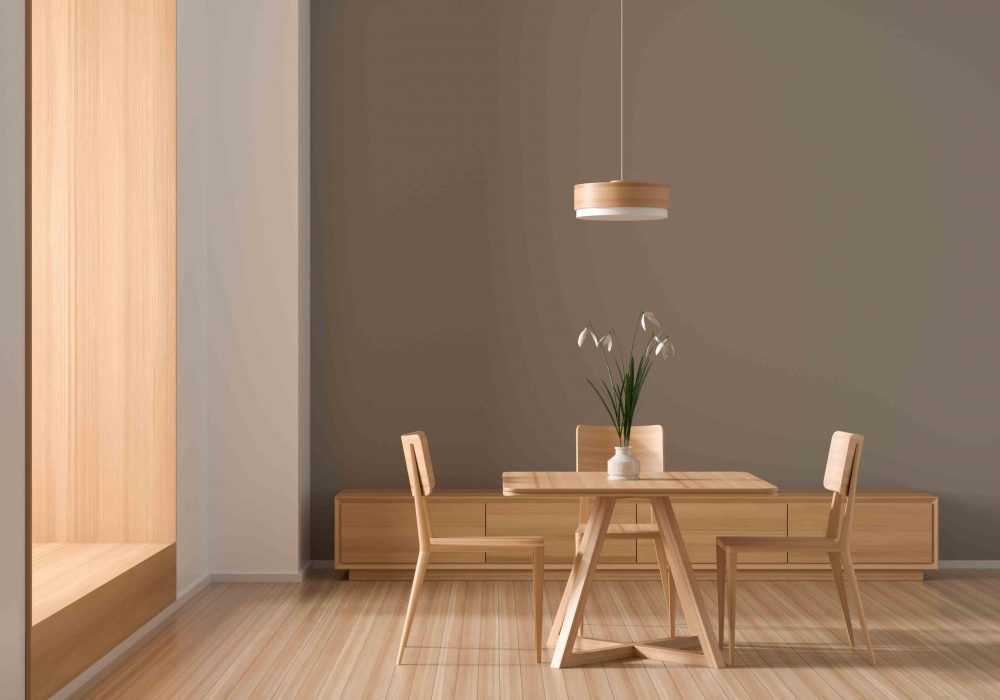
Plywood is used in a variety of applications from interior design to construction and even furniture. Its features of durability, versatility, affordability and superior strength are widely known which makes plywood extremely suitable for a number of uses. In this article, we’ll be unravelling the mystery behind the strength of plywood. We’ll also explain why its layers make a world of difference.
What is Plywood?
Plywood is an affordable, strong, and durable material. It is also sustainable and beautiful, making it ideal for building, renovating, or revamping homes and other structures. It is created by stacking thin layers of wood in alternating directions and bonded with a strong adhesive that creates the foundations of its strength and durability. Thinly sliced sheets of wood are layered together at a 90-degree angle to make plywood. This layering reduces the weaknesses found in wood and enhances the stability and strength of the product.
Plywood: The Science Behind Its Layers
Layers are its most noticeable feature with each layer carefully chosen and arranged to give the plywood sheets its durability and strength. It contains three typical layers, which we will examine further below.
- Face veneer: The surface of the plywood is called the face veneer. Manufacturers usually create it from high-quality wood, such as oak, to provide a smooth and aesthetic finish.
- Core Layer: This layer contains criss-crossing thin sheets of wood such as poplar, giving the plywood its strength, durability and stability.
- Back veneer: Usually made from low costing wood, this layer is the final layer and helps to balance out the plywood.
Layers: The Mystery behind the strength of Plywood
Here are some ways layers that impact plywood strength:
- Cross Grain Structure: A huge disadvantage of solid wood is that due to fluctuations in humidity and temperature, it changes in structure by expanding and contracting which leads to structural weakness and cracking. The cross-grain pattern of the plywood helps to distribute loads evenly across the surface. It also reduces the risk of cracking under pressure.
- Layered Structure: A lesser-known fact is that manufacturers always stack plywood in odd numbers, and its layered structure helps absorb stress more effectively. Even-numbered stacking prevents even weight distribution, which can cause damage over time. Each layer absorbs the force of the impact and makes it resistant to bending.
- Increased Stability: The layers of plywood help increase stability and prevent warping, making it a reliable and strong product.
- Adhesive Bonding: Manufacturers stack the plywood layers and bond them under high pressure with a strong adhesive, creating a single, unified structure instead of peelable layers. The adhesive increases the durability and seepage of water in wet areas.
How to Choose the Best Quality Plywood
Here are a few factors to consider when choosing the best quality plywood. There are a few points to take note of.
- Wood Type: Choose high quality wood species which is strong and durable plywood such as oak, mahogany or maple instead of wood such as pine.
- Layers: The best quality plywood has layers that provide improved durability and strength for construction use. A plywood that has more layers is more durable and strong, so choose a plywood with more layers.
- Adhesive Quality: Ensure you choose plywood created with a high-quality waterproof glue which ensures the layers will remain bonded together under high stress.
- Certification and Qualifications: Ensure that the plywood has the required certifications for quality assurance to guarantee you a resilient building.
Conclusion
Plywood looks like a plain material but its layered structure gives it its best features of strength and durability. By understanding the science behind plywood layers, you can make informed decisions to choose the plywood that best suits your needs. Plywood is an excellent building material. So, when you are undertaking a small home renovation or a huge construction project, choose plywood from CenturyPly.

