
In recent days, smart furniture is changing the living and workspace areas. It emphasises providing comfort and practicality with technology assets and IoT things. This advancement enhances convenience; it enables individuals to feel improved, perform more efficiently, and even conserve energy. Smart furniture refers to the fusion of conventional design with sensors, connections, and integration with automation and customised control.
They easily interface with smart home appliances and smartphone apps. IoT devices improve comfort and posture. These improvements boost user comfort, enhance productivity, and support energy efficiency to satisfy changing customer needs for contemporary living.
Vital IoT Trends in Smart Furniture at Home and Workplace:
Sensor-Based Design and Comfort
Currently, furniture parts come with sensors that monitor pulse rate, pressure, and sitting posture, with integrated into your desk or chair. These sensors cooperate with apps to provide guidelines for upkeeping daily habits and correcting posture. For instance, IKEA launched four Matter-compatible smart sensors and made them available in the smart home systems.
Interconnected Workspaces
There is a strong desire for premium IoT-enabled office furniture with features such as real-time height adjustments, occupancy-tracking sensors for space optimisation, and seamless integration that manages HVAC and energy efficiency has increased dramatically as a result of the hybrid work. Data-driven facility decisions and promoting flexible, ergonomic work environments for contemporary businesses, these clever solutions enhance worker comfort, productivity, and workspace efficiency.
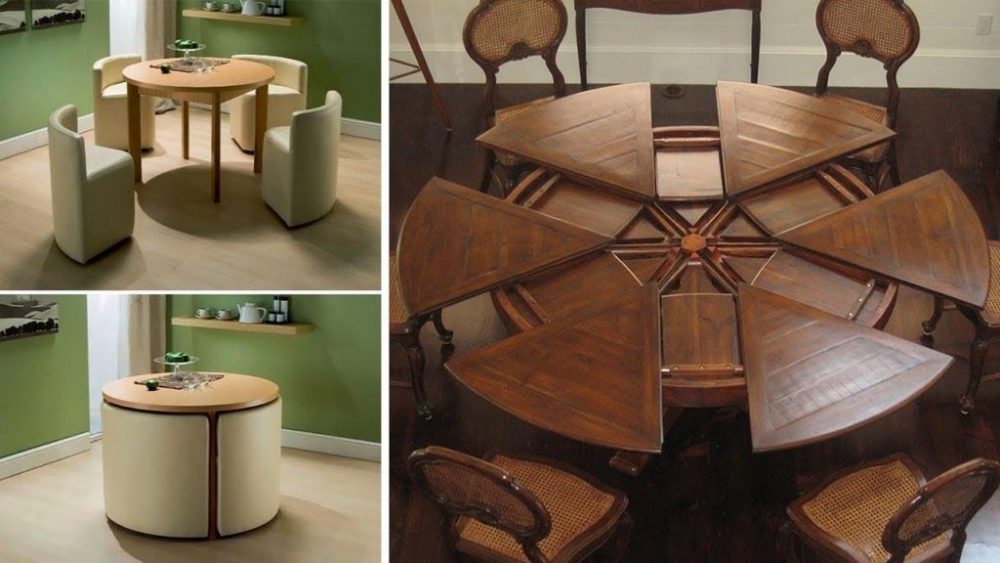
Multipurpose and Compact Layout
The need for multifunctional smart furniture is rising due to growing urbanisation and increasing assessment of technology. Smart home systems, such as sofas and tables, are incorporated with charging and other IoT capabilities to enhance functionality, along with reducing space requirements.
Eco-friendly Transition Goods
Businesses are focused on customer desire towards the eco-friendly products by changing their product direction. Manufacturers are concentrated on creating environmentally friendly materials and developing sustainable furniture products.
Health and Wellness Focus
Smart furniture promotes wellness and health attributes through supportive home and workplace environments. By using functionality like activity monitoring, postural detection and sleep tracking, users can maintain their health. Smart furniture that is powered by AI and IoT works with application software to provide users with reminders, immediate feedback and customised modifications that will improve their ease of relaxation, work productivity and physical well-being. Wellness has quickly become one of the most important features for purchasing connected homes and hybrid office environments.
Automated Cabinets and Storage
Automated cabinets and storage systems deployed IoT sensors, components that are operated by app-controlled access and interconnected to the cabinets and storage systems, allowing users to control the cabinets and storage from remote locations or via smart assistants. Additional features such as inventory tracking, automatic locking, and customizable organisation make automated cabinets and storage systems very functional for both home and work.
Preventive Upkeep
The preventative maintenance of today’s smart furniture is the next wave of innovation for smart homes and offices. Smart furniture includes Internet of Things (IoT) sensors and other IoT-enabled devices to help monitor the use, wear, and performance and required maintenance before a mechanical failure occurs. Preventative maintenance combines technology with maintenance intelligence, making smart furniture both convenient and ergonomic while also durable and environmentally friendly.
Challenges in Adoption and Market Expansion
One of the major stumbling blocks for growth in smart furniture is data security and privacy fears. Quite a few gadgets need a complex framework of integration with the present infrastructure that could hinder mass adoption. Also, the expensive nature of IoT-equipped furniture can discourage even some families and small businesses, reducing reach. Besides that, problems of compatibility with older devices and software platforms are another source of difficulty, as people may have trouble pairing new smart furniture with their current home or office setups.
Future Growth Prospects
Changes in daily life have led to increased growth in the smart furniture market, with increased demand. For integrated living spaces, both in homes and businesses. Furthermore, there is also a great demand for flexible working environments, including remote and hybrid work. Driving the need for smart furniture. Additionally, there is an emphasis on gaming and home-theatre set-ups requiring. Higher-level technology like lighting, audio and a variety of response devices, making. It clear that smart furniture plays an important role here as well.
A recent report by Pristine Market Insights reflects, swift urban expansion leading. To an increase in compact living environments, the adoption of IoT and interconnected technologies. Along with rising disposable income, especially in emerging economies, are key drivers of the market.
Author Bio:
Sandhya Jadhav is a research analyst with expertise in smart home technology and IoT-enabled furniture solutions. She analyzes market trends, innovations, and consumer adoption patterns to provide actionable insights for manufacturers. Designers, and businesses aiming to create smarter, connected homes and modern workspaces.