Moving homes is exciting, but the timeline doesn’t always work out perfectly. Sometimes you have to move out long before your new place is complete. Other times, the need for repairs, settlement dates, or trips abroad will mean a long stretch between houses. When this occurs, one of the greatest difficulties you face is how and where to store your possessions safely until you can move in.
This is when a good, well-thought-out Furniture Storage plan really comes into its own.
Using storage is a common part of today’s fast-moving real estate and rental markets. You may find it necessary because:
● Your new home isn’t finished
● Lease dates don’t align
● You’re waiting for the renovation or painting to finish
● You are moving to another state or country
● You want to declutter before staging your home
● You are downsizing and need to decide what to keep
Whatever your situation is, a storage solution that is suitable for you ensures your belongings will remain safe and easy to access whenever or wherever they are needed.
Choose the Right Type of Storage
When it comes to Furniture Storage, not all storage options are equal. Knowing the various kinds makes it possible for you to pick a safer and more effective solution.
1. Self-Storage Units—You can have ready access to your things if you like. Good for the extra long-term and the larger-volume storage.
2. Mobile Storage Pods—This makes things simpler by eliminating many manual operations. The container is delivered: it’s then filled and taken away to a secure facility.
3. Professional Removalist Storage—When you’re already hiring movers, this is the right solution for you. They collect, pack, store, and redeliver everything, ideal for stress-free moves.
If you are storing high-value items, antiques, or delicate furniture, always select a storage solution that offers:
● Climate control
● 24/7 security
● Insurance options
● Pest-free environment
How to Pack Furniture for Safe Storage
Furniture is the most expensive and easily damaged part of your move. Proper packing helps avoid scratches; doing so also prevents mold, cracks, and other permanent marks.
Clean Thoroughly
Dust, stains, and moisture are three things you do not want in your furniture. Clean them well with mild cleaners before packing so that these things won’t follow on to any new home.
Disassemble Larger Items
Legs, drawers, headboards, if they come off, and anything else that can be disassembled should be removed from the main piece. Packing saves space and prevents strain on joints.
Use Appropriate Protective Materials
● Fragile items should be wrapped in bubble wrap
● Moving blankets for wooden furniture
● Plastic wrap for upholstered items
● Corner protectors for tables and mirrors
Avoid using thick plastic for long-term storage, because it can trap humidity and create mold.
Store Vertically & Save Space
Standing items such as mattresses, couches, or tables on their sides creates more room and reduces pressure on surfaces.
Organise Your Boxes and Essentials
Even if you’re temporarily storing things, organisation is key.
Clearly Label Everything
On each box, write the room name and contents. You’ll save hours at the back end when you unpack later.
Make an Inventory List
A simple list or phone photo log will help you keep tabs on everything that goes into storage. It’s beneficial for insurance purposes.
Keep Essentials Separate
Pack a small “essentials box” with items you will need before your new home is ready:
● Clothes
● Toiletries
● Documents
● Electronics & chargers
● Basic kitchen items
This box should stay with you, not inside the storage unit.
Protect Your Furniture from Damage
Furniture can get damaged in storage if handled badly. Follow these tips to preserve your items:
Avoid Direct Floor Contact
Put down a layer of cardboard sheets or old planks to keep your boxes off the floor.
Keep Air Flowing
Leave a small gap between each item to prevent moisture buildup.
Cover the furniture lightly
Use breathable covers to protect surfaces without trapping humidity.
Put Heavier Things Down at the Bottom
Stack safely—heavy boxes on the bottom, lighter ones on top.
Security Matters More Than You Think
When you are storing your property between moves, it is important. Just as packing needs to be done well, so does security. Always look for a secure storage facility that includes:
● CCTV monitoring
● Individual unit access locks
● Alarm systems
● Fire protection
● Staff supervision
A secure storage facility adds to the peace of mind of satisfied customers during an already stressful moving period.
Benefits of Using Professional Removalist Storage
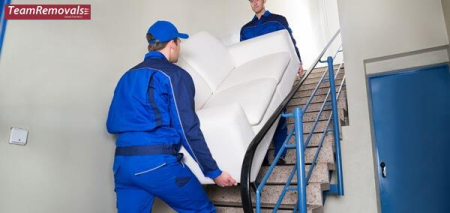
If you want maximum convenience, using a removalist company that offers Furniture Storage can make your entire moving process easier. Professionals handle:
● Packing and loading
● Transporting items safely
● Storing them in a secure facility
● Redelivering when your new home is ready
This minimises damage, reduces handling, and saves you time, effort, and stress.
Final Thoughts
It may be a challenging time when you have a gap between moves, but picking up the right Furniture Storage solution certainly brings you the complete assurance that you will finally settle, no matter where it is. By thinking ahead a little and then also organising your packing well in advance with secure storage facilities, your possessions will be protected until the completion of your new home.
For a reliable and stress-free moving experience, many homeowners rely on Team Removals for secure storage, professional handling, and seamless relocation services.
Don’t miss this quick blog on moving heavy furniture upstairs for guidance: https://teamremovals.com.au/blog/moving-heavy-furniture-upstairs/