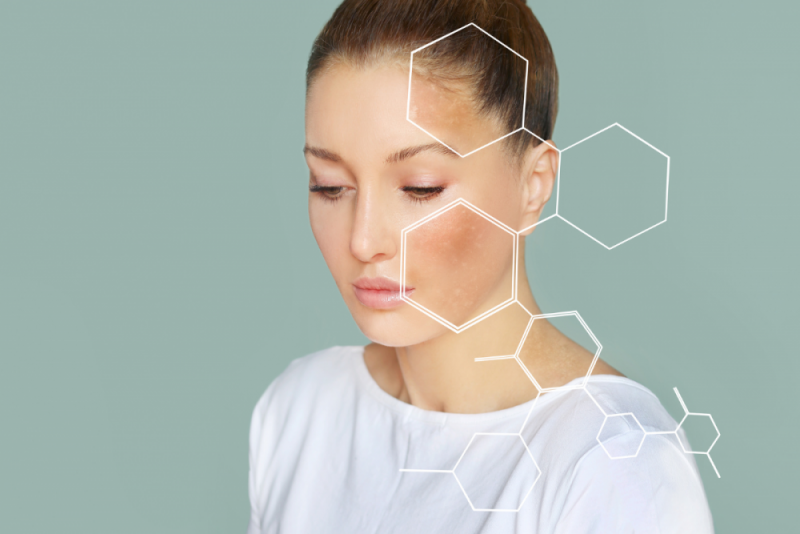
GHK-Cu, short for glycyl-L-histidyl-L-lysine-copper, is a naturally occurring peptide that has gained significant attention for its potential health and cosmetic benefits. It is a small chain of amino acids that binds to copper ions, enabling it to support various biological processes in the body. Originally discovered in the 1970s by Dr. Loren Pickart, GHK-Cu was first identified in human plasma and is believed to play a crucial role in tissue repair, regeneration, and overall cellular health. Over time, research has revealed that this peptide may offer a wide range of benefits, including skin rejuvenation, wound healing, hair growth, and anti-aging effects. Although it is still considered experimental in many applications and is not approved by the FDA for medical use, GHK-Cu has nevertheless been incorporated into various skincare formulations and therapeutic treatments. Therefore, it has become increasingly popular among individuals seeking advanced solutions for skin and hair health.
What Is GHK-Cu Peptide?
GHK-Cu is a tripeptide, meaning it consists of three amino acids: glycine, histidine, and lysine. These amino acids are naturally present in the body and, when combined with a copper ion, form a peptide that can influence cell function. The peptide was first discovered while studying tissue regeneration and wound healing. Researchers observed that it could accelerate the healing of injured tissues and promote overall cellular health. Over time, further studies revealed that GHK-Cu can impact the expression of genes involved in repairing damaged tissues, reducing inflammation, and protecting cells from oxidative stress. Its small size allows it to penetrate tissues effectively, making it useful in both topical skincare products and injectable treatments.
The natural presence of GHK-Cu in human plasma decreases with age, which may contribute to the visible signs of aging such as fine lines, wrinkles, and sagging skin. Because of this decline, scientists and healthcare professionals have explored using GHK-Cu externally or as part of therapy to restore its levels and promote rejuvenation. The peptide is now recognized for its multifunctional properties, which makes it a promising tool for cosmetic, dermatological, and even some medical applications.
How GHK-Cu Works
GHK-Cu peptide works through several key mechanisms that affect cellular function and tissue repair. One of its primary roles is modulating gene expression. Research has shown that it can increase the production of collagen, elastin, and glycosaminoglycans, which are essential components of healthy skin. Collagen provides strength and structure, elastin ensures skin flexibility, and glycosaminoglycans help maintain moisture and smoothness. By enhancing the production of these molecules, GHK-Cu supports skin firmness, elasticity, and overall youthful appearance.
Another important function of GHK-Cu is its antioxidant activity. The peptide helps neutralize free radicals, which are unstable molecules that can damage cells and accelerate aging. Free radicals are produced naturally in the body and can also result from environmental factors such as sun exposure, pollution, and stress. By reducing oxidative stress, GHK-Cu helps protect cells from damage and maintains healthier tissues over time.
In addition to its antioxidant effects, GHK-Cu has anti-inflammatory properties. It can regulate the expression of cytokines and other molecules involved in the inflammatory response, which helps reduce redness, swelling, and irritation. This makes it particularly useful for healing damaged skin, managing chronic skin conditions, and improving recovery after injuries or surgical procedures. The peptide also promotes angiogenesis, which is the formation of new blood vessels. This process enhances blood flow to damaged tissues, ensuring they receive oxygen and nutrients required for repair and regeneration.
Benefits of GHK-Cu Peptide
One of the most well-known benefits of GHK-Cu is its effect on skin health and anti-aging. Studies show that topical or injectable GHK-Cu can stimulate collagen and elastin production. This boosts skin firmness and reduces fine lines and wrinkles. Over time, the skin becomes more elastic and resilient. It also develops a smoother texture and a more even tone. Many users report that their skin looks revitalized and younger. They also notice better hydration and a visible reduction in signs of aging.
Beyond cosmetic benefits, GHK-Cu also supports wound healing and tissue repair. It accelerates tissue regeneration by stimulating growth factors and extracellular matrix proteins. These elements are essential for repairing damaged skin and tissues. The peptide also supports proper cellular migration to the injury site, which helps the healing process. In addition, GHK-Cu can reduce scar formation by encouraging healthier tissue development. This makes it useful for post-surgical recovery, burns, and other skin injuries.
GHK-Cu has also been explored for hair growth and scalp health. Research suggests that it can activate hair follicles, encouraging new growth and increasing hair density. Its anti-inflammatory properties contribute to a healthier scalp environment, reducing irritation and promoting stronger hair. This makes it a popular ingredient in hair serums and treatments designed for thinning hair or hair loss.
The peptide’s antioxidant and anti-inflammatory effects also extend to overall cellular health. By reducing oxidative stress and regulating inflammation, GHK-Cu supports tissue repair in various parts of the body. It may help with recovery from minor injuries, chronic skin conditions, or inflammation-related discomfort. While more clinical research is needed, these properties make GHK-Cu a promising tool for both cosmetic and potential therapeutic uses.
Applications of GHK-Cu Peptide
GHK-Cu peptide is widely used in both cosmetic skincare and medical treatments. In skincare, it appears in serums, creams, and lotions that deliver the peptide directly to the skin to address signs of aging such as wrinkles, reduced elasticity, and uneven tone. Many formulations are designed for delicate areas—including the under-eye region—to help minimize crow’s feet, puffiness, and dark circles.
In medical or clinical settings, GHK-Cu may also be administered through injections. These treatments aim to stimulate tissue repair, speed up wound healing, and support recovery after injuries or surgical procedures. Some individuals also choose GHK-Cu injections to enhance skin texture, firmness, and overall appearance in targeted areas like the face, neck, and hands.
Hair growth treatments are another important application of GHK-Cu. The peptide can be applied topically to the scalp in the form of serums or included in shampoos and conditioners formulated to improve scalp health. By stimulating hair follicles and reducing inflammation, GHK-Cu may promote thicker, healthier hair and increase hair density over time.
Beyond cosmetic uses, researchers are exploring medical applications of GHK-Cu for burn recovery, chronic wound management, and tissue repair after surgery. Its ability to accelerate healing and reduce scarring makes it a promising option for patients recovering from serious injuries or surgical procedures. While more clinical trials are needed to fully establish its effectiveness in these areas, early research shows significant potential.
Safety and Considerations
GHK-Cu peptide is generally considered safe when used in skincare products or under professional supervision. Most people tolerate it well, but some may experience minor side effects such as redness, itching, or irritation at the site of application. Allergic reactions are rare but possible, and anyone with sensitive skin should perform a patch test before using a new product containing GHK-Cu.
“It is important to consult a healthcare professional before using GHK-Cu, especially if you have medical conditions, are pregnant, or breastfeeding. A professional can determine the right dosage, application method, and frequency to ensure safety and effectiveness. Following these guidelines reduces the risk of side effects and ensures the peptide delivers its intended benefits.”
Conclusion
GHK-Cu peptide is a versatile compound with multiple benefits for skin, hair, and tissue repair. It modulates gene expression, reduces inflammation, and stimulates collagen production. This makes it useful in both cosmetic and medical applications. Research shows it improves skin texture, firmness, and overall appearance. It also accelerates wound healing and supports hair growth.
As interest in peptides grows, GHK-Cu is becoming popular in skincare, hair care, and medical treatments. Professional guidance is essential when using it. Understanding its effects ensures maximum benefits and minimal risks. GHK-Cu offers a natural, science-backed solution for aging, tissue repair, and overall cellular health.