In industrial setups like oil refineries or chemical plants, pipe fittings keep fluids moving safely. A wrong choice can lead to leaks or breakdowns. You face options such as buttweld, threaded, socketweld, or flanged types. This article compares stainless steel buttweld fittingsto these others. We look at how they perform, install, and last. The goal is to help you pick the best for your piping needs.
Understanding Stainless Steel Buttweld Fittings: The Benchmark for High Integrity
Definition and Manufacturing Process of Buttweld Fittings
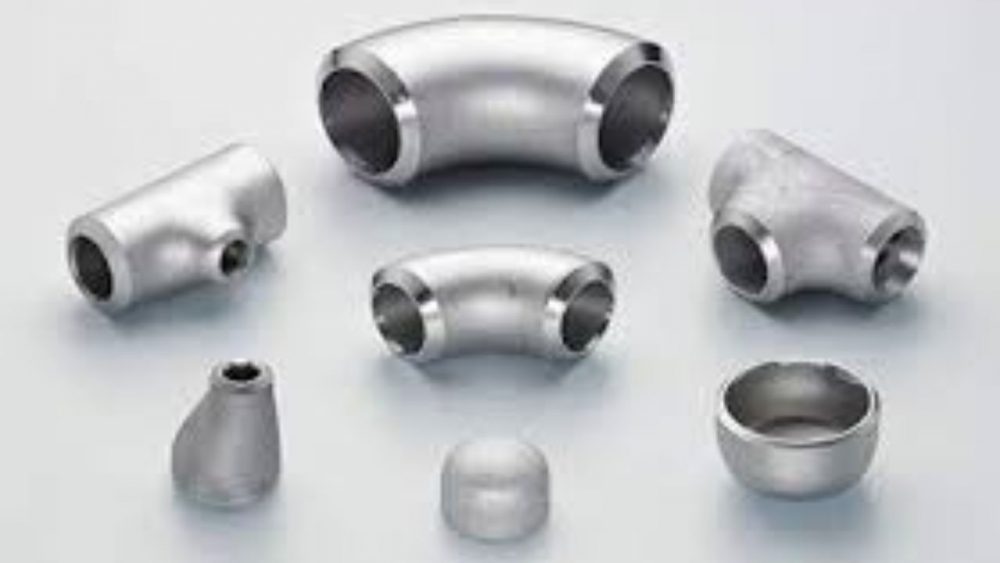
Buttweld fittings join pipes by welding their ends together. Factories shape them from stainless steel tubes or plates. They bevel the edges for a strong weld. This forms one smooth pipe run.
Standards like ASME B16.9 guide their making. These rules ensure they fit pipes from 1/2 inch to 48 inches wide. Workers heat and fuse the metal. No gaps form inside.
You get a clean flow path. This beats loose joints in other fittings.
Advantages of Seamless Integration and Leak Prevention
Buttweld fittings create a tight bond. Welds stop leaks even under high pressure. Fluids flow without bumps that slow them down.
Think of it like gluing two straws end to end. No air pockets disrupt the drink. In high-pressure lines, like those carrying hot steam, this matters a lot.
They handle up to 3,000 psi in some cases. Leaks here could cause big problems, such as fires or spills.
Material Considerations: Why Stainless Steel Dominates
Stainless steel fights rust well. Grades like 304 and 316 stand up to acids and salts. They keep strength at hot or cold temps.
Carbon steel rusts fast in wet spots. Stainless lasts longer in tough spots, like seawater pipes.
You save on fixes over time. In pharma plants, it meets clean rules too.
Alternative Connection Methods: Threaded, Socketweld, and Flanged Fittings
Threaded Fittings: Portability Versus Pressure Limitations
Threaded fittings screw into pipes like a bolt. NPT threads taper to seal tight. You can carry them easily for small jobs.
But threads weaken the pipe wall. Vibes or heat changes make leaks likely. They suit low-pressure water lines, under 1,000 psi.
In a shaky machine, they might fail. You need tape or dope to seal them.
Socketweld Fittings: Strength Between Convenience and Criticality
Socketweld fittings have a cup end. You slide the pipe in, then weld around it. Alignment comes quick without much skill.
They hold more pressure than threaded ones. Up to 2,000 psi for small sizes. But the weld spot can stress under load.
Use them in pipes up to 2 inches. Gas lines in factories often pick them for speed.
- Pros: Fast to fit.
- Cons: Gap inside might trap junk.
- Best for: Non-toxic fluids.
Flanged Connections: The Solution for Accessibility and Maintenance
Flanges bolt two pipe ends with a gasket between. You drill holes and tighten nuts. This lets you take apart for checks.
Big plus: Swap valves without cutting pipes. Costs more upfront from extra parts.
Gaskets can wear and leak if not checked. In steam systems, they work well for access.
You see them in water treatment plants. Bolts need torque every few months.
Performance Metrics: Durability, Flow, and Safety Comparison
Pressure and Temperature Handling Capabilities
Buttweld fittings top the list for tough jobs. Schedule 80 buttweld holds 2,500 psi at 100°C. Threaded ones drop to 1,000 psi there.
Flanges manage 1,500 psi with right gaskets. Socketweld sits in between at 1,800 psi.
For hot oil at 400°C, buttweld wins. Data from ASME shows they outlast others by 30% in tests.
High temps warp threads. Welds stay solid.
Installation Complexity and Required Skill Sets
Buttweld needs pro welders. Bevel pipes, weld, then test for cracks. It takes hours per joint.
Threaded? Just screw them on with a wrench. No heat tools needed.
Flanges bolt up fast but need even torque. Socketweld welds easier than buttweld.
Labor costs: Buttweld runs 50% higher. But it pays off in safety.
- Tools for buttweld: Welder, grinder, X-ray machine.
- or threaded: Pipe threader, sealant.
Maintenance Demands and System Downtime
Once set, buttweld needs little care. Check welds yearly with ultrasound.
Flanges? Tighten bolts often. Gaskets fail in 5-10 years.
Threaded joints leak from vibes. You fix them quick but often.
In a plant, buttweld cuts downtime by 40%. No surprise shutdowns from loose parts.
NDT tests spot weld flaws early. Others rely on visual looks.
Cost Analysis: Initial Investment vs. Lifetime Operational Expense (TCO)
Material and Procurement Costs
A 6-inch 90-degree elbow in stainless buttweld costs £150. Socketweld version is £120. Flanged adds £200 with bolts and gasket.
Threaded stays cheap at £80. But add sealant and tools.
Bulk buys drop prices 20%. Stainless bumps all by 30% over mild steel.
Shop from certified suppliers. Fake ones fail fast.
Long-Term Value Proposition of Buttweld Systems
Upfront, buttweld hurts the wallet. Install labor hits £500 per joint.
Over 20 years, leaks cost more. A flange fix might run £1,000 yearly.
TCO for buttweld: 25% less total. No big repairs in critical lines.
In oil rigs, it saves millions. Safe flow means no spills.
You invest once, reap for decades.
Factors Driving Selection in Specific Industries (Real-World Application)
Pharma picks buttweld for clean welds. No crevices for bacteria.
Power plants use them for steam cycles. Heat won’t crack the joints.
Water mains go flanged. Easy repairs when pipes burst.
- Oil & gas: Buttweld for high pressure.
- Food processing: Socketweld for quick changes.
- HVAC: Threaded for low stakes.
Match to your fluid and rules.
Read More: Plastic Scrap Grinder Machine Manufacturers In India
Read More: Plastic Shredder Machine Manufacturers In India
Read More: PVC Pulverizer Machine Manufacturers In India
Read More: Agglomerator Machine Manufacturers In India
Conclusion: Determining the Optimal Piping Strategy
Stainless steel buttweld fittings shine in hard spots. They beat threaded, socketweld, and flanged in strength and flow. But your needs decide: ease for low pressure or toughness for risks.
Key takeaway: Buttweld cuts leaks and costs long-term. For safety in big plants, it’s top choice.
Use this matrix to pick:
- Pressure over 600 psi and toxic fluid? Go buttweld.
- Need quick access? Try flanged.
- Small, low-pressure job? Threaded works.
Assess your system. Contact Stainless Steel Buttweld Fittings supplier to keep things running smooth. For more on industrial piping solutions, explore our guides on pipe fittings comparison.