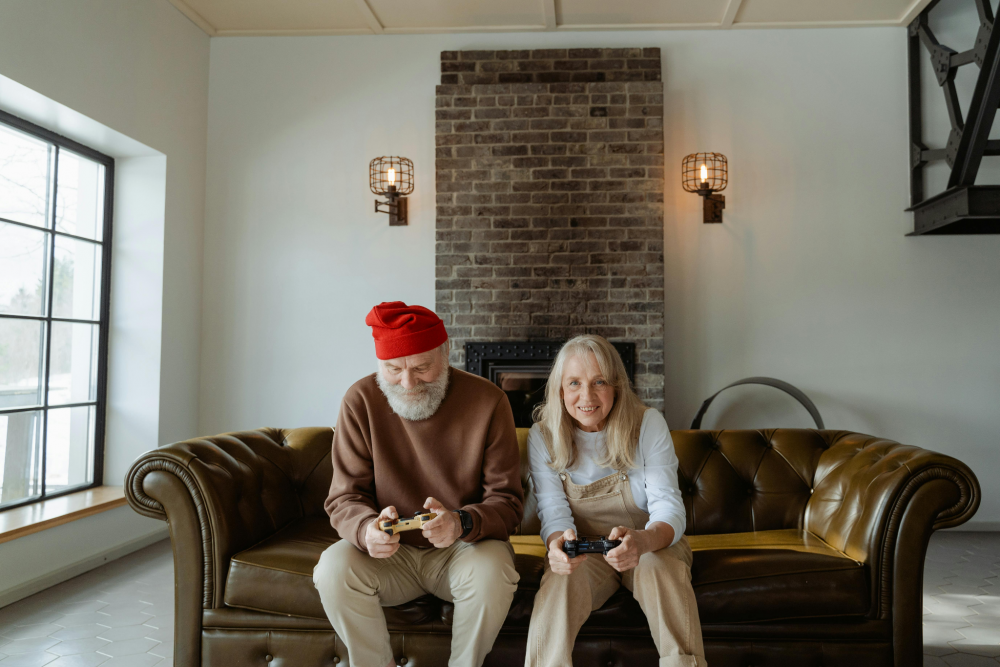
Active communities offer older adults a vibrant, engaging lifestyle that supports connection, fulfillment, and overall well being. These environments are designed to bring people together through shared activities, meaningful interactions, and opportunities for personal growth. For many individuals, the social advantages of community living become one of the most rewarding aspects of the experience. By fostering connection and encouraging participation, active communities help residents maintain a strong sense of purpose and belonging.
Opportunities to Build Meaningful Friendships
One of the most significant social benefits of living in an active community is the opportunity to form new friendships. As people age, social circles may naturally shrink due to retirement, relocation, or changes in mobility. Active communities help bridge this gap by creating spaces where residents can meet others with similar interests and life experiences.
Shared dining, group activities, and community events make it easy to connect with neighbors. These friendships often become an important source of support, companionship, and joy, enriching daily life in meaningful ways.
A Calendar Full of Engaging Activities
Active communities typically offer a wide range of social, recreational, and educational programs that encourage residents to stay involved. From fitness classes and art workshops to book clubs and group outings, these activities help residents explore new interests and stay mentally and physically engaged.
Participating in community events not only provides enjoyment but also strengthens social bonds. Regular interaction with peers fosters a sense of belonging and helps residents maintain a positive, active lifestyle. Communities like Discovery Commons San Pablo, place a strong emphasis on engagement, offering programs that inspire connection and personal growth.
A Supportive Environment That Encourages Interaction
Living in an active community means being surrounded by people who understand the value of connection. The environment is intentionally designed to promote interaction, whether through shared common areas, outdoor spaces, or group amenities. This supportive atmosphere helps residents feel comfortable initiating conversations, joining activities, and participating in community life.
The sense of camaraderie that develops in these settings can be especially meaningful for individuals who may have felt isolated at home. A welcoming environment encourages residents to stay socially active and engaged.
Reduced Feelings of Loneliness and Isolation
Loneliness can have a significant impact on emotional and physical health. Active communities help combat this by offering consistent opportunities for social interaction. Whether through casual conversations, planned events, or shared meals, residents have regular chances to connect with others.
This steady social engagement helps reduce feelings of isolation and supports emotional well being. Being part of a community where people look out for one another creates a sense of comfort and reassurance that enhances overall quality of life.
Opportunities for Collaboration and Shared Purpose
Active communities often encourage residents to take part in group projects, volunteer efforts, or community committees. These opportunities allow individuals to contribute their skills, share their ideas, and work toward common goals.
Collaborative activities foster a sense of purpose and accomplishment. Whether organizing an event, tending a community garden, or participating in a resident council, these shared efforts strengthen relationships and create a deeper sense of community pride.
Enhanced Emotional Well Being Through Connection
Social interaction plays a vital role in emotional health. Engaging with others helps reduce stress, boost mood, and support cognitive function. Active communities provide a steady flow of positive social experiences that contribute to emotional resilience and overall happiness.
Residents often find that being part of a lively, supportive community helps them maintain a more optimistic outlook. Regular interaction, shared laughter, and meaningful conversations all contribute to a more fulfilling daily experience.
A Sense of Belonging That Enriches Daily Life
Perhaps the most powerful social benefit of living in an active community is the sense of belonging it provides. Feeling connected to others and being part of a supportive environment enhances confidence, comfort, and overall satisfaction.
This sense of belonging helps residents feel valued and included, encouraging them to participate fully in community life. It also creates a foundation for long lasting friendships and meaningful experiences that enrich daily living.
Conclusion
Active communities offer a wide range of social benefits that support connection, engagement, and emotional well being. Through meaningful friendships, engaging activities, supportive environments, and a strong sense of belonging, residents enjoy a lifestyle that enhances both independence and fulfillment.