Knee pain is one of the most common musculoskeletal complaints across all age groups, acting as a significant barrier to an active lifestyle. Whether it’s a sharp twinge while climbing stairs or a dull, persistent ache after a long walk, knee discomfort can stem from acute injuries, mechanical problems, or chronic medical conditions like arthritis. Finding effective relief requires a deep understanding of the underlying pathology and access to specialized care. For those seeking expert intervention, consulting a leading Orthopedic hospital in Hyderabad can provide access to cutting-edge diagnostics and personalized treatment plans that range from physical therapy to advanced robotic-assisted surgeries.
The Anatomy of the Knee: A Complex Machine
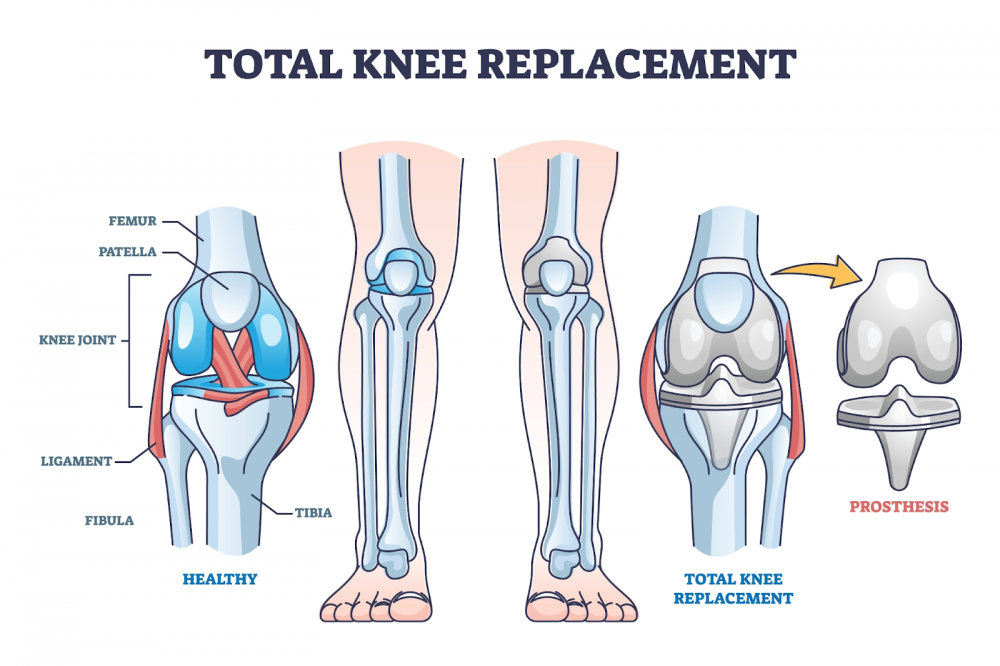
To understand why the knee fails, it is essential to appreciate its complexity. The knee is a hinge joint where the femur (thigh bone) meets the tibia (shin bone). The patella (kneecap) sits in front to protect the joint, while the fibula (smaller shin bone) provides stability.
Four primary ligaments—the ACL, PCL, MCL, and LCL—act as strong ropes to hold the bones together. Meanwhile, the menisci (two C-shaped pieces of cartilage) act as shock absorbers. When any of these components is stressed beyond its limit, pain is the immediate messenger of dysfunction.
Common Causes of Knee Pain
Knee pain doesn’t just “happen”; it is usually the result of one of three categories: injury, mechanical issues, or types of arthritis.
1. Acute Injuries
- ACL Injury: Common in athletes who play sports like soccer, basketball, or football. It involves a tear in the anterior cruciate ligament.
- Fractures: Often the result of high-impact trauma, such as a fall or motor vehicle accident.
- Meniscus Tears: Occur when the knee is twisted forcefully, particularly when bearing weight.
2. Mechanical Problems
- Loose Bodies: Sometimes injury or degeneration causes a piece of bone or cartilage to break off and float in the joint space. This can interfere with joint movement, much like a pencil caught in a door hinge.
- Iliotibial Band Syndrome: Frequent in long-distance runners, this occurs when the tough band of tissue that runs from the outside of your hip to the outside of your knee becomes tight and rubs against the femur.
- Dislocated Kneecap: This occurs when the patella slips out of place, usually to the outside of the knee.
3. Degenerative and Inflammatory Conditions
- Osteoarthritis: It’s often called “wear and tear” arthritis, which is the most common cause of knee pain in older adults.
- Rheumatoid Arthritis: An autoimmune condition where the body attacks its own joints.
- Gout: Caused by the buildup of uric acid crystals in the joint.
Recognizing the Symptoms: When to Worry
Not all knee pain is an emergency, but certain symptoms indicate that the joint integrity is compromised.
- Swelling and Stiffness: Inflammation is the body’s first response to injury. Chronic swelling (water on the knee) can lead to long-term stiffness.
- Redness and Warmth: This often suggests an infection or an inflammatory flare-up like gout.
- Instability or “Giving Way”: If your knee feels like it might buckle when you stand, it’s a sign of ligamentous damage or structural weakness.
- Popping or Crunching Noises: Known as crepitus, these sounds can indicate cartilage loss or bone rubbing on bone.
- Inability to Fully Straighten the Knee: This is a classic sign of a mechanical “lock,” often caused by a meniscus tear.
Expert Diagnostic Protocols
Modern orthopedics has moved far beyond simple physical exams. When you visit a premier orthopedic hospital in Hyderabad, surgeons use a multi-tiered diagnostic approach:
- Digital Radiography (X-ray): Excellent for detecting fractures and the joint space narrowing associated with arthritis.
- MRI (Magnetic Resonance Imaging): The gold standard for visualizing soft tissues like ligaments, tendons, and cartilage.
- CT Scan: Provides a 3D view of the bone structure, often used for planning complex surgeries.
- Arthrocentesis: Withdrawing fluid from the joint to test for infection or gout.
Evidence-Based Treatment Options
Conservative Management (The First Line of Defense)
For many, relief can be found without going under the knee. The R.I.C.E. protocol (Rest, Ice, Compression, Elevation) remains the foundation for acute injuries.
+1
- Physical Therapy: Strengthening the quadriceps and hamstrings is the most effective way to offload pressure from the knee joint.
- Weight Management: Every pound of body weight puts approximately four pounds of pressure on the knees. Losing even 5–10 pounds can drastically reduce pain.
- Injections:
- Corticosteroids: To reduce inflammation quickly.
- Hyaluronic Acid: A lubricant that mimics the natural fluid in your joints.
- PRP (Platelet-Rich Plasma): Using the patient’s own blood to stimulate healing in tendons or ligaments.
Advanced Surgical Interventions
When conservative methods fail, surgical innovation offers a path back to mobility.
Arthroscopic Surgery: A minimally invasive procedure where a camera is inserted through small incisions to repair meniscus tears or remove loose bodies.
Osteotomy: Realignment of the bone to shift weight away from the damaged side of the knee.
Total or Partial Knee Replacement (Arthroplasty): Replacing the damaged joint surfaces with metal and plastic components. Today, many hospitals in Hyderabad utilize robotic-assisted technology to ensure millimeter-level precision, leading to faster recovery times and better long-term outcomes.
Prevention: Protecting Your Joints for Life
Prevention is always better than a cure. You can safeguard your knees by:
- Wearing Proper Footwear: Shoes with good arch support prevent the misalignment of the knee.
- Low-Impact Exercise: Swimming and cycling provide cardiovascular benefits without the pounding associated with running.
- Maintaining Flexibility: Regular stretching of the calves and thighs prevents the muscle tightness that leads to patellar tracking issues.
Final Thought
Knee pain should never be dismissed as a simple consequence of aging or an active life. It is a manageable condition that, when addressed early, rarely requires drastic measures. By combining lifestyle modifications, targeted physiotherapy, and the expertise of a specialized orthopedic hospital in Hyderabad, you can regain your mobility and live pain-free. Don’t wait for the pain to become debilitating; proactive care is the key to preserving your joints for the decades ahead. Modern science has made “walking with ease” a reality for everyone.