Chicago’s commercial properties tell a story; historic buildings, unpredictable weather, and evolving city codes all shape what you’re really investing in. What looks like a great deal on the surface can carry hidden complexities beneath. That’s where commercial property inspection in Chicago becomes essential, turning uncertainty into clarity before you commit.
8 Key Factors to Evaluate Before Investing
Successful investments are made through making informed decisions.
1. Environmental Safety and Air Quality
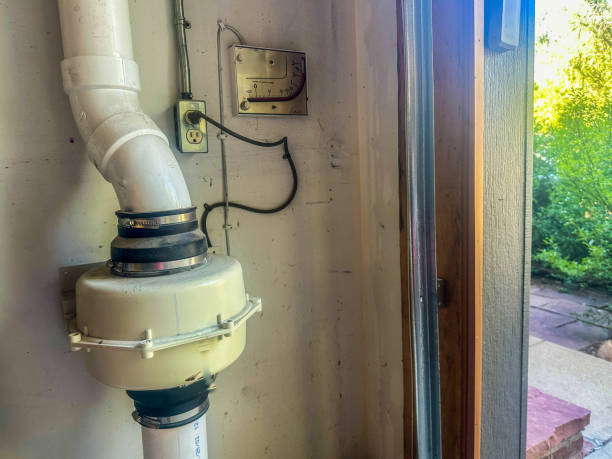
The environmental component holds crucial importance while determining the worth of a property and making sure that the occupants within that property are safe and healthy. These include ventilation and airflow as well as other factors. A radon test should be done in order to establish the environmental safety of a building because radon gas is colorless and odorless in nature and can accumulate within properties. Being exposed to high amounts of radon is hazardous to the health of the residents, and hence such concerns should be addressed beforehand.
2. Structure of the Property
The structure of the foundation, walls, and other parts of the building play a vital role in determining the durability of the property. Presence of cracks, uneven surface, or other signs in the structure may indicate that there is an underlying issue which may cause further damage. There is a possibility that the damage may not even be visible and will require inspection of the whole property to be detected.
3. Electric and Mechanical Systems
In contemporary business organizations, there is a heavy reliance on the use of electric and mechanical systems such as heating, ventilation, air conditioning, and many others. Failure to maintain these electric and mechanical systems correctly may result in increased energy costs for the organization together with some major safety concerns due to failure of the electric systems and even fire risks. Such problems are usually hard to spot, although they always get progressively worse with time if nothing is done about them. It would be useful to conduct an assessment to understand better how these systems work and whether some maintenance is required.
4. Water and Plumbing Systems
Issues related to water can sometimes turn out to be one of the most costly problems when they are found in commercial buildings. Any type of leaks, malfunctioning drainage systems, or old piping system can cause excessive moisture, which will inevitably result in the development of mold, deterioration of building parts, and other problems that will cost you a lot of money. Most of these problems are located inside the walls or below the floors, therefore, the detection of such issues is rather complicated and requires proper investigation. Evaluation of water pressure and water drainage can also end up solving this problem.
5. Conformity to Local Rules
Commercial properties have to be in line with very strict rules. These rules include building codes, zoning laws, and safety measures. This becomes especially significant if we talk about a regulated market, as the rules may change frequently. The violation of these rules can result in you paying fines, having legal problems, or being unable to occupy and utilize the property the way you wanted to. It is crucial to make sure that you conform to the rules by reviewing all the existing permits and renovations.
6. Location & Accessibility
Location is not only a physical address but also a crucial factor that directly affects. The future profitability and success of a commercial property. Similarly, for customer, supplier, and employee accessibility is an important aspect that impacts the operations of the business. The visibility of a location, its access from main roads and public transport, and other commercial. Activities taking place in the vicinity can substantially increase the demand of the tenants.
7. Operating Cost Considerations
The cost of ownership for a real estate property used for business extends far beyond its acquisition. The cost of maintenance and repairs, utilities, insurance, and modernizations can be quite high. Especially in a building that is not new. Outdated equipment might require regular repair or replacement. For which you need to examine maintenance costs and estimate the ongoing costs of ownership. Which will enable better budget planning as well as reduce the chance of financial hardship.
8. Future Growth and Investment Opportunities
While the value of a good investment lies in its current worth, its future opportunities. Can also make a considerable impact. Things like economic growth, population growth, and the presence. Infrastructural projects can play an important role in adding value to the property. Hence, locations that are being rejuvenated or expanded are known to provide excellent potential for gains. An effective analysis can thus help investors capitalize on their future possibilities.
Conclusion
Careful evaluation of business properties guarantees safer investments and no future unpleasant surprises. Everything from building assessment to compliance and systems assessment is essential for ultimate success and profitability.