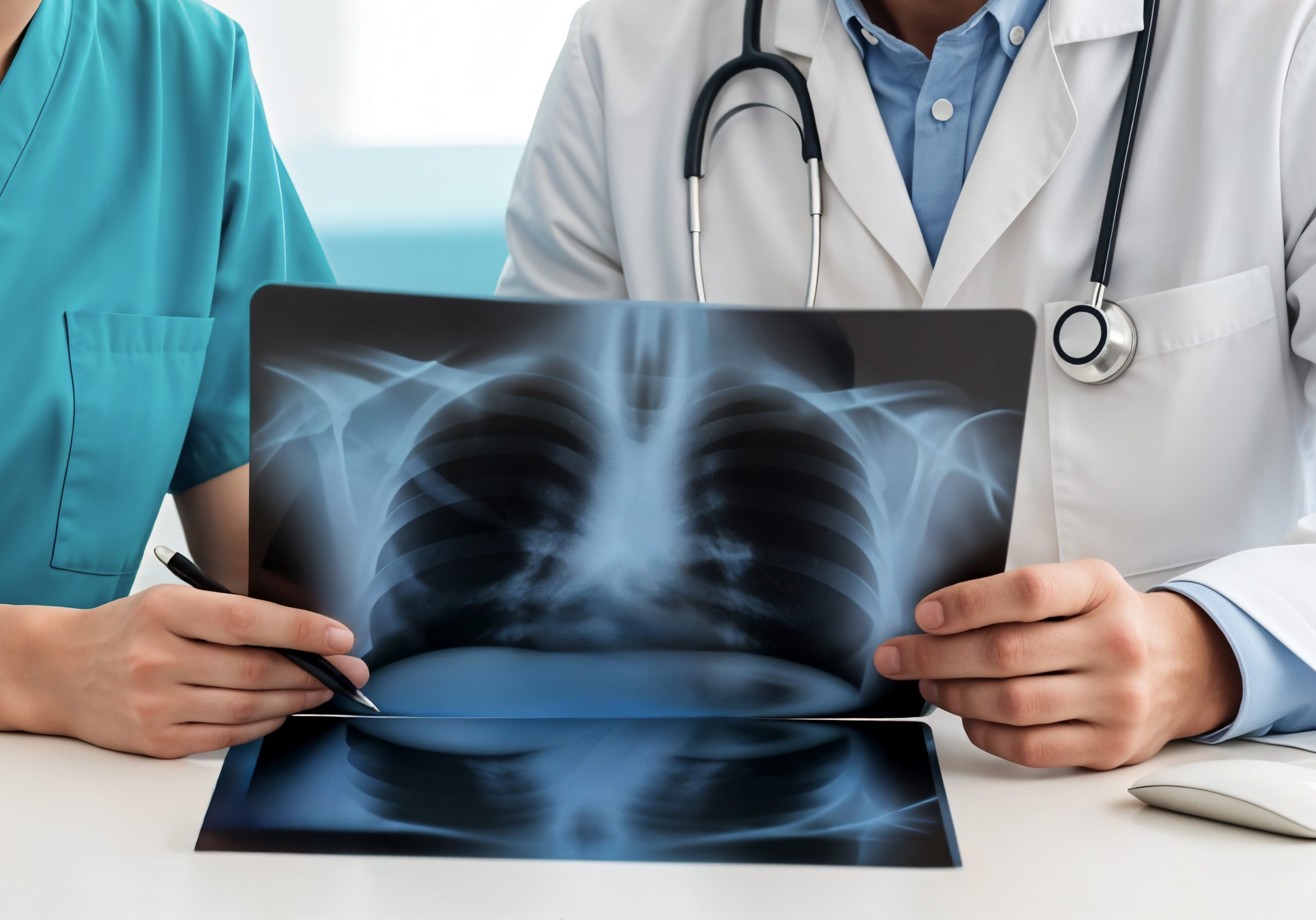
One of the major causes of cancer-related deaths in the world is lung cancer, mostly due to the fact that it is usually diagnosed at advanced stages. Technologies of lung scanning have made it, however, possible to detect abnormalities in a much earlier stage. Lung cancer screening does not only aim at the detection of cancer, but the early identification of suspicious changes before it develops to a serious disease. The early diagnosis will improve the treatment decision and outcome. In order to make a prudent health decision, one must understand the way screening works and whom it serves better.
What is Lung Cancer Screening and Who can undergo the Lung Cancer Screening?
Lung cancer screening is a preventive screening imaging test applied to detect lung abnormalities in high-risk people to lung cancer even before the onset of the symptoms. It is typically carried out with the help of a low dose CT (computed tomography) scan that captures the details of the lungs.
The qualifying persons normally include those adults aged between 50 and 80 years old with a heavy smoking history, current or former smokers who have less than 15 years. It might also be recommended that screening should be performed to people having other risk factors such as long-term exposure to secondhand tobacco smoke or occupational hazards. The eligibility criteria could be a little bit different and therefore one should seek the advice of a medical practitioner.
What sensitizes the Low-Dose CT Scan to Early Lung Abnormality?
- A CT scan that involves low dose is a scan whereby the cross-sectional scans of lung tissue are made in a low dose to generate highly detailed images.
- It is able to identify tiny nodules or spots that might not be seen in an ordinary chest X-ray.
- The scan determines atypical tissue patterns, scarring or early growths which need follow-ups.
- Radiologists examine the size, shape and the appearance of the nodules to decide whether they require further examination or not.
- The scanning of the lung in this way is able to give detailed images and hence detects abnormalities at a far earlier stage than other scanning techniques.
Will Lung Scans Be Able to Detect the Damage before the cancer is completely developed?
Yes, there are occasions when lung scans[2] can tell the change in lung tissue before full development of cancer. Although screening is not such that it will directly identify the cancer, it may indicate some suspicious nodules, inflammations or structural changes that might indicate early risk.
These findings are in most cases benign and can be managed just by monitoring. Nonetheless, early detection of abnormal tissue enables healthcare professionals to monitor alterations with time. Early intervention can be done in case growth patterns indicate malignancy. The primary benefit of Lung cancer screening is this proactive attitude.
What Changes in the Earliest Lung can be seen on Screening Scans?
Early lung changes that are identified using lung scanning could include small nodules within the lung, scarring spots, slight inflammation or a premature structural defect. Certain scans can also indicate chronic lung compilations like emphysema or fibrosis, which is likely to raise the danger of cancer.
Ground-glass opacities are also possible hazy spots that can be observed on CT images and need further examination. These changes may not be cancer but recording, tracking them assists doctors to recognize alarming tendencies at an early stage.
Conclusion
The screening of lung cancer does not ensure the prevention, yet it strongly increases the possibility of the detection of the issues before they can lead to a life-threatening situation. In high-risk people, early diagnosis will make a difference in the consequences. Such services as ViaScan of Las Colinas offer high-technological imaging services oriented on early detection and preventative screening. This is because anybody wishing to undergo Lung cancer screening[2] needs to visit a qualified healthcare provider to ascertain one, whether he or she is eligible or not, and what to follow-up on.