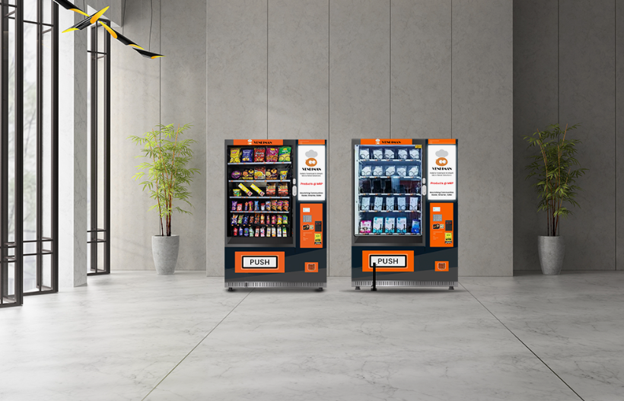
For years, vending machines were pretty straightforward. You knew the classic insert a coin, get a snack procedure. Back then, there wasn’t much technology involved. There wasn’t even a need for technology, but as times have changed, we need it more.
That’s why today’s vending machines are far more advanced than the ones most people grew up using. They accept digital payments and even provide insights for businesses to grow. In many locations, they are becoming a convenient self service retail solution that makes things easier for both the business and its customers.
As vending technology evolves, businesses are discovering that the software in these machines matters just as much as the hardware. While standard software may work for basic operations, it often falls short when companies go towards growth.
That is why custom software solutions are becoming an increasingly important investment.
Modern Vending Machines Are More Complex Than Ever
A modern vending machine does a lot more than dispensing random snack products.
Customers these days expect fast and secure payment options. When they use these machines, they expect easy navigation with accurate and updated product information. If they don’t get a smooth purchasing experience, they get disappointed. At the same time, operators also need live visibility into inventory levels and maintenance requirements. no one has the time to go to each machine’s location and check these things.
Trying to manage all of these functions with generic software can be quite challenging. Many off the shelf solutions are designed to satisfy a broad market. But really think about it, how can they use the same system in a hospital as the one in a restaurant? These generic systems often lack the flexibility that businesses across different sectrors actually need for their specific requirements.
As operations grow, these limitations become harder to ignore.
Every Business Has Different Requirements
Not all vending businesses operate in the same way.
A vending machine located inside a corporate office may require employee access controls and payroll deductions. A machine in a university may need student payment integration. Machines in airports or shopping malls may need multilingual interfaces. Moreover, they might even need support for multiple currencies or payment methods.
The problem is that generic software treats every business similarly.
Custom software allows organizations to build features around their own workflows, which is much better than forcing their operations to adapt to boring, generic software. This creates a smoother system that aligns with business goals from the beginning.
Better Inventory Control Leads to Better Results
Inventory management still remains to be one of the biggest challenges in vending operations.
When you think of it, no business owner wants customers walking up to a machine only to discover their preferred product is unavailable. Some customers spend a whole day waiting for something specific. But, at the same time, constantly overstocking products can increase costs and reduce profit.
Custom software helps businesses maintain better control over inventory. They do so by providing real time tracking and automated alerts. Operators can also see which products are selling and which aren’t. This data can help them make better sales.
Thanks to this, businesses can use actual data to optimize inventory levels and improve the overall performance of their workflows.
Remote Monitoring Makes Operations Easier
Managing a few vending machines is relatively simple. Managing dozens or hundreds spread across multiple locations is a whole different story.
Without proper software, operators may not discover technical problems until customers report them. This can genuinely just lead to lost sales and frustrated users.
Custom software provides centralized monitoring capabilities that allow operators to track machine status remotely. They’re able to do this using just one platform as a dashboard. They can monitor inventory levels and identify issues before they become major problems.
This not only saves time but also helps keep machines working properly.
Why Businesses Are Investing in Software Development Services
As vending technology continues to advance, more organizations are turning to Vending Machine Software Development Services to create solutions made specifically according to their unique needs.
Rather than relying on software designed for the average user, businesses can develop systems that support their exact requirements. Things that are built specifically for their customers. Whether that involves custom payment integrations or third party software connections, custom development provides greater flexibility. This is something that every business needs for growth.
Data Is One of the Most Valuable Assets
Many businesses focus on what vending machines sell, but often overlook the valuable information they generate.
Every transaction provides useful insights into the behavior of customers. Businesses can learn which products are most popular, when customers are most likely to make purchases, and how buying patterns change over time.
Custom software makes it easier to collect and analyze this information.
These insights can help operators make better decisions about inventory planning and machine placement. Over time, these types of decisions often produce significantly better results than assumptions alone.
Better Customer Experiences Drive More Sales
Customers may not think about the software behind a vending machine, but they definitely notice the experience it creates.
A confusing interface, slow payment process, or unreliable machine can discourage purchases. On the other hand, a fast and intuitive experience encourages customers to return.
Custom software helps businesses create smoother interactions by focusing on user experience. Features such as touch friendly interfaces, personalized promotions, loyalty rewards, and multiple payment options can make purchasing easier and more enjoyable.
When customers have a positive experience, they are more likely to use the machine again.
Conclusion
Modern vending machines have become connected retail platforms that rely heavily on software to deliver smooth customer experiences and operations. As businesses expand their vending networks, customer expectations continue to rise. So does the need for custom solutions.