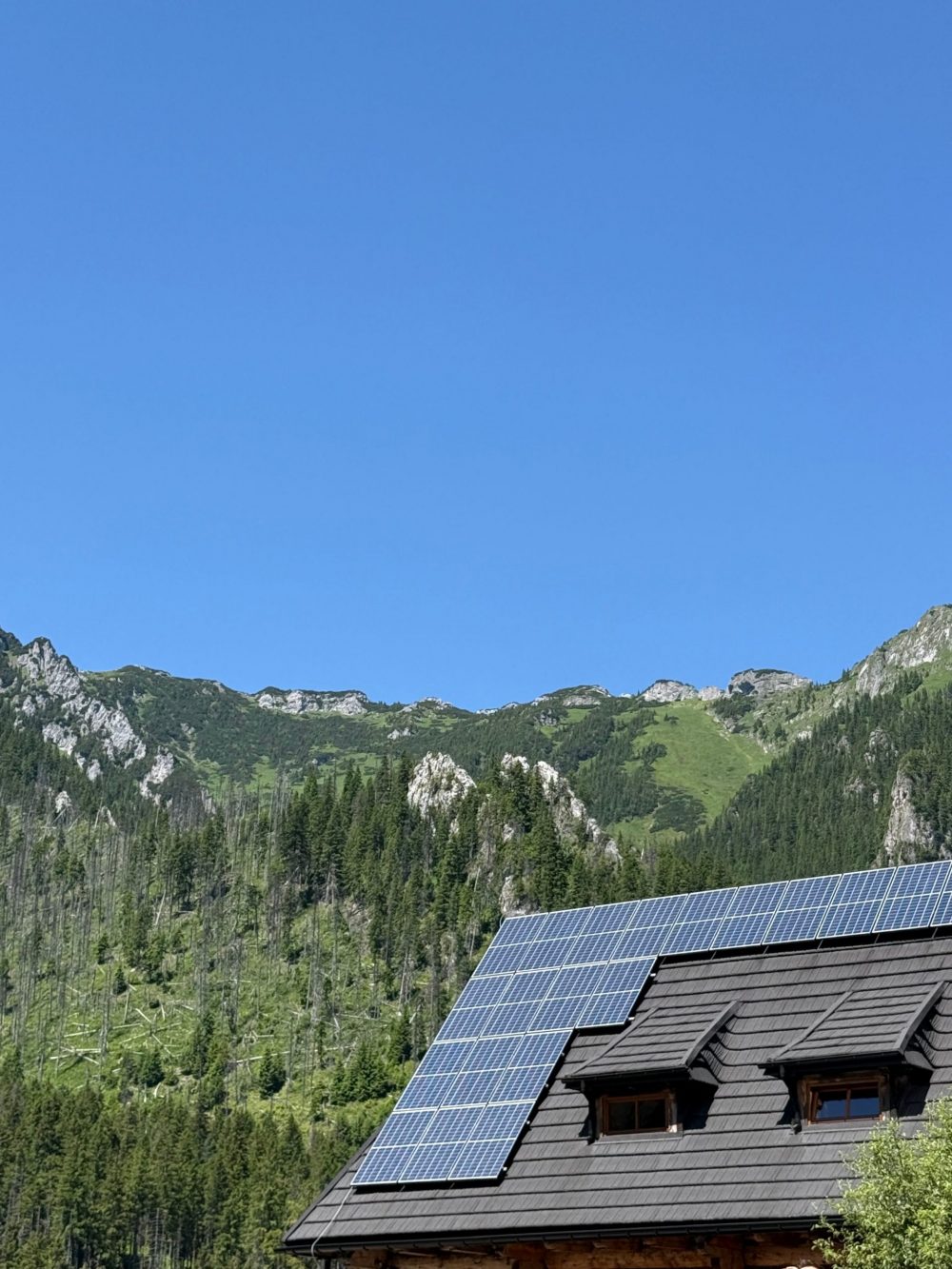
If you own a rural or remote property, you probably already know the pain of being miles from mains electricity. Running a new grid connection isn’t just pricey, it’s slow, tangled in paperwork, and for some locations, it doesn’t make sense at all. That’s why off grid power solutions keep gaining fans. With off grid power solutions, you call the shots. There’s no endless delays waiting for power companies, and no crossing your fingers hoping the supply won’t drop out. You decide how your electricity’s made, where it gets stored, and how you use it, all on your terms.
Let’s actually dig into what off grid power is, who it suits best, and how the right setup can keep your place humming, whether you’re out in the bush or just far from the nearest town.
What’s “Off Grid” Power, Really?
“Off grid” is simple — it means your power isn’t coming from the main electricity lines. Instead, you’ve got your own small system, usually solar panels, gathering the sun’s energy. That energy gets stored in batteries, ready to go whenever you need it, rain or shine. Nobody in the middle. What you generate is what you use, and you’re only answering to yourself.
An Off Grid System’s Nuts and Bolts
A genuine off grid setup needs a few main ingredients:
- Solar panels — mounted where they’ll soak up the most sun, whether that’s on your roof or out in a field.
- An inverter to switch solar energy into standard electricity for your home.
- Batteries for stashing extra juice away for nighttime or bad weather.
- And a backup generator, just in case. If there’s a stretch of cloudy days or an energy spike, you’re not in the dark.
Every property’s different, especially out bush. You can’t just buy some off-the-shelf kit and hope it’ll work. Your power system has to match your setup: how much energy you use, the shape of your land, your weather, the gear you run — all of it.
Why Would You Bother Going Off Grid?
A lot of folks are walking away from grid power for a pile of good reasons.
- Distance: If power lines are miles off, getting connected can cost more than the land itself. Going off grid just makes more sense.
- Reliability: The further you are from town, the likelier you’ll see outages from storms, fires, even fallen branches. With off grid, you don’t have to worry about anyone else’s lines.
- Independence: Some people just want one less thing to depend on — especially something as basic as keeping the lights on. Off grid means no surprise bills, no hoops to jump through.
- Environmental reasons: Solar’s clean. If cutting your footprint matters to you, an off grid solar system does its part without giving up power when you need it.
- Running farms or sheds: Equipment’s often a hike from the nearest outlet. Off grid lets you run what you need, where you need it, without sinking money into new poles and wires.
Creating a System That Is Effective for You
Start with the basics — get real about how much energy you use. Make a list: lights, fridge, tools, machinery, pumps. All of it. Your system’s size hangs on this step.
Then, piece it together:
- How many panels to cover your daily use?
- How much battery storage to get through the night or when the sun’s gone for a few days?
- Do you want a backup generator for peace of mind?
Placement’s important too:
- Put panels where they won’t get shaded by trees or buildings — they need clean sunlight.
- Stash batteries and inverters somewhere safe from wild weather or big temperature swings.
- Don’t make maintenance a nightmare — you’ll need to check on your system now and then.
One final tip: don’t try to cut it too fine. Plenty of people buy a system that’s a bit too small, and end up annoyed when winter comes or the weather refuses to cooperate. Give yourself a buffer. Solid planning upfront keeps things ticking along when you need it most.
What’s Actually Involved in Off Grid Power
Setting up off grid power is rarely one-size-fits-all. Usually, you’re looking at a few key services that all add up to a system that works—and keeps working.
- First up, someone needs to come out and do a site assessment and an energy audit. They figure out how much power you actually use and what kind of system will keep the lights on. Based on that, you get a custom design—one that takes into account how much sun your place gets, how big your battery bank should be, and whether you’ll need a backup generator.
- Then comes the actual install. That means running wiring, putting in switchboards, mounting solar panels, hooking up batteries, and setting up inverters. This all needs to be done to electrical standards, for obvious safety reasons.
- Battery storage is a big deal in these systems. Your provider should size your batteries so you’ve got enough juice to make it through nights and cloudy sprees without stress.
- Systems don’t just look after themselves, though. Ongoing maintenance and regular servicing are part of the deal if you want your setup to last and perform the way it should. And, down the line, you might need upgrades—maybe you add another building, some new gear, or your family just uses more power.
- It really pays to work with people who know their stuff at each step. If each stage is done properly, you won’t just get a system that works now—you’ll have a power supply you can count on for years.
Thinking About Going Off Grid?
Going off grid isn’t a snap decision. It’s a big move, so take it one step at a time.Start by figuring out how much power you use now—and what you’ll need in the future. Planning on building an extra shed or adding an irrigation system? Count that in. Once you know what you need, get someone to assess your site. That’s how you know for sure what kind of solar, battery, and backup options will work.
Don’t forget about upkeep. Off grid power needs regular checks and a bit of love. If you plan for maintenance from the beginning, you’re way less likely to run into inconvenient (or expensive) surprises.
Conclusion
If you’re off the grid, these systems are about as reliable as it gets—provided you put in the planning, size everything right, and actually look after the gear. They’ll keep your house ticking along and can handle bigger rural or farm setups, too. If you’re serious about making the switch, your first step should always be a good site assessment. That’s how you figure out what your property actually needs.