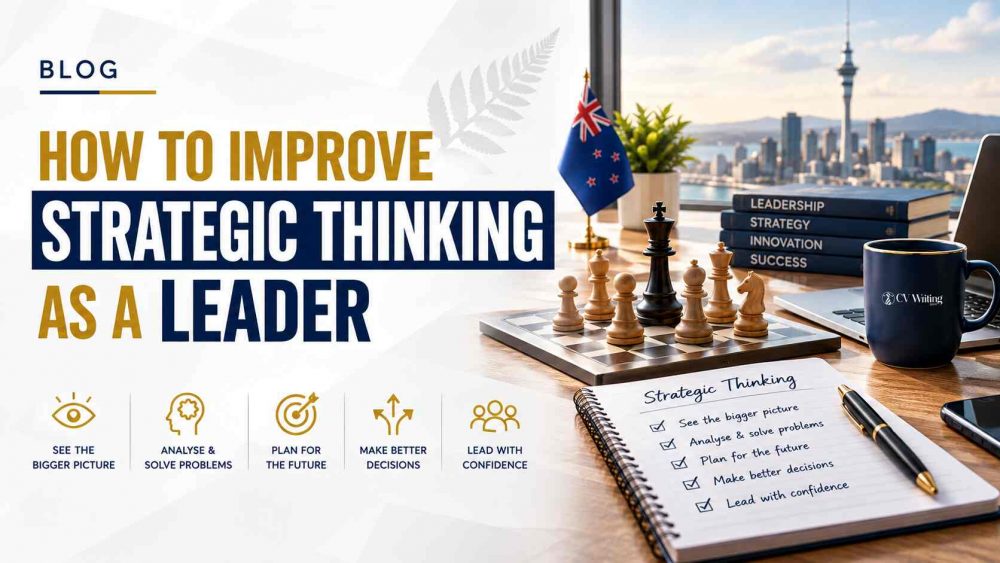
You’ve probably noticed that leaders always seem prepared for what comes next. They do not simply react when a problem appears. They think ahead instead. They also study what is happening around them and prepare for the future.
And this is where strategic thinking comes in.
It basically helps leaders understand the broader context. It also allows them to look beyond today’s problems and focus on what can help an organisation grow tomorrow.
Strategic thinking also assists leaders not only in making smarter choices and guiding their teams but also in dealing with change.
But how can leaders enhance strategic thinking? Let’s find out.
What Is Meant by Strategic Thinking?
Strategic thinking is basically an intentional and long-term cognitive process. It is basically focused on diagnosing the root causes of challenges and choosing where to concentrate resources to achieve future goals.
You might think that it is about guessing what will happen. But it is not. It is actually about studying information and understanding patterns. Leaders also consider several possibilities and prepare for what may come next.
Why Is Strategic Thinking Crucial for Leaders?
Strategic thinking is crucial for leaders because it moves them from merely reacting to daily operations to proactively shaping long term success and predicting market changes.
It also guides organisations through complex and vague environments.
A proficient CV writer also suggests developing this skill and adding it to your CV.
These are the key reasons why this skill is vital for leaders.
Better Decision Making
Strategic thinking skills basically help leaders look past immediate tasks to weigh the long term impact and measurable results of their choices.
Leaders can consider several options instead of rushing into a decision. They can look not only at possible risks and benefits but also at costs and outcomes. This can help them make decisions with greater purpose.
Predicting Changes
Leaders cannot control every change in the market. But they can prepare for it.
This skill allows leaders to watch trends. And they notice early warning signs.
You must remember that a leader who thinks ahead often starts to prepare before the change turns into a major issue.
And no. This does not mean predicting the future perfectly. It simply means being ready for different possibilities.
Driving Innovation
This skill can also create space for new ideas.
When leaders understand their goals and challenges, they can encourage their teams to think differently.
This mindset can lead not only to better processes and new products but also to fresh ways of serving customers.
You must understand that innovation does not always mean creating something completely new. A small improvement can also make a big difference.
Fostering Agility
You might think that things always go according to plan. But that is not actually true. A strategy that works today may need to change tomorrow.
And strategic leaders actually understand this. They stay open to new information and adjust their plans when needed. This allows organisations to respond to unexpected challenges without losing sight of their main goals.
A good resume writing service can help professionals highlight this type of adaptability when presenting their leadership experience. It can show that the candidate is not only capable of planning but can also respond when circumstances change.
How Can You Improve Strategic Thinking as a Leader?
You must also agree that this is not a skill that only a few people are born with. You can easily develop it with practice.
You can do this by taking a step back and asking better questions. You should also learn from several points of view.
Take a Step Back
You must also know that leaders are often busy with daily tasks. They spend so much time solving small problems. But they forget to consider the broader context.
You need to take some time to step back and review what is really happening.
You should ask yourself what is working and what is not working. You also have to understand what could actually become an issue in the future.
This will surely help you see things more clearly.
Ask Better Questions
You need to keep in mind that good strategic thinking starts with good questions.
Instead of asking only ‘How can we fix this?’ you have to ask these questions.
- Why did this happen?
- What could happen next?
- How will this decision affect our long term goals?
These questions allow deeper thinking.
Learn from Several Points of View
You have to understand that you cannot see everything from one point of view.
You can not only talk to your team and listen to customers but also study competitors and pay attention to industry changes.
Different points of view can actually reveal issues and options that you may not notice on your own.
You can also seek the best cover letter writing service to help you communicate your leadership strengths and strategic mindset more clearly to potential employers.
What Do Readers Usually Ask?
What is strategic thinking?
Strategic thinking is basically the ability to understand the wider context and plan for the future. It also allows leaders to make smart choices today to reach a long-term goal.
Is strategic thinking actually vital for leaders?
Yes. Strategic thinking is pretty vital for leaders. This is because it shifts them from merely reacting to daily problems to actively shaping future success. It also improves their decision-making skills.
How does strategic thinking differ from strategic planning?
Strategic thinking is the creative process. It basically discovers the ‘why’ and ‘what’. And strategic planning is the structured and analytical process. It organises the ‘how’ and ‘when’.
All in All!
Strategic thinking is actually one of the most useful skills that a leader can develop.
It basically helps leaders stop focusing only on what is happening today. And it allows them to start thinking about what could happen tomorrow.
This skill is pretty useful for leaders because it improves their decision making. It also allows them to predict changes. It also helps leaders stay flexible when things do not go according to plan.
You can improve this skill by taking a step back and asking better questions. You should also learn from several points of view.