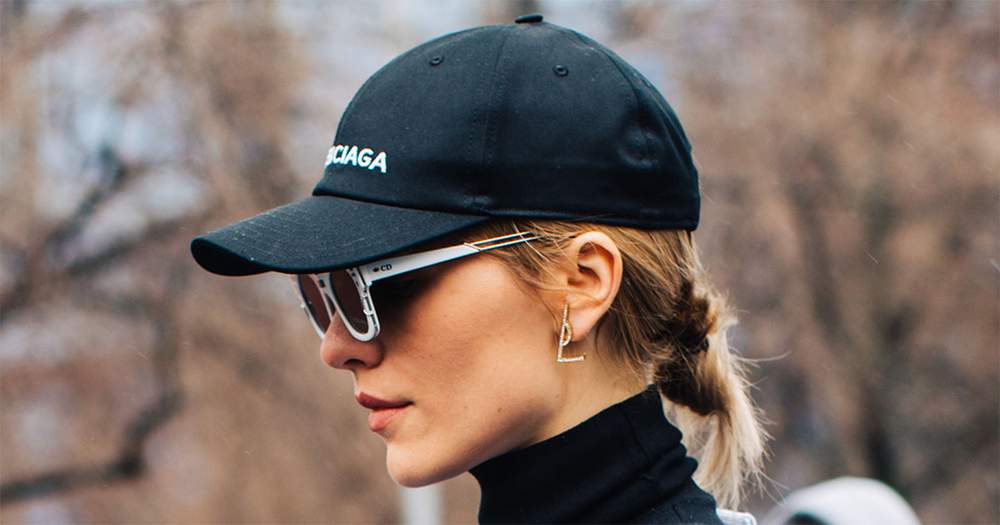
We are living in an era where strategic branding assets must align with marketing visibility, community identity, and long-term customer engagement. For businesses and brands, headwear such as baseball caps and hats now plays a major role in building a stronger brand identity than traditional merchandise ever could.
The 2026 Advertising Speciality Institute (ASI) Global Ad Impressions Study found that while 85% of consumers recall the advertiser linked to a branded product, promotional products produce an average cost-per-impression of just $0.006. This shift explains why personalised headwear has become increasingly popular in branding and marketing, especially when creative design elements enhance the customer experience.
Why Are Businesses Putting Greater Investment in Wearable Brands?
Marketing teams are facing increased pressure to justify visibility spend in a more strategic and organised way than ever before. Another main concern is that ad spend keeps growing, and attention spans keep shrinking.
Why Is Repeated Physical Exposure Important for Visibility?
While online ads may be visible for a few seconds, branded caps are a visible presence for months in offices, airports, sporting events, gyms, cafes, and on social media. This shows that caps are not only functional apparel items but also effective tools for shaping brand perception.
A study conducted by ASI reveals that an individual branded baseball hat results in around 3,000-3,300 impressions during its useful life. In the world of marketing, it alters the visibility economy. Rather than having to pay for impressions over and over, businesses can build a recurring asset that provides long-term, organic exposure.
How Has Audience Psychology Evolved?
Consumers are increasingly ignoring direct advertising, but they respond more positively when brands offer useful promotional products. The ASI 2026 study revealed that,
- 78% of consumers retain promotional products for their usefulness
- 76% favor conducting business with brands that offer branded products
- 78% have a more positive impression of the advertiser afterwards
This behavioural shift is important because it transforms branded clothing from a promotional tool into a relationship-building asset.
Industry Overview: The Data Central to Promotional Headgear
| Metric | Industry Finding |
| Brand Recall | 85% of consumers recall the advertiser featured on a promotional product |
| Consumer Retention | 78% keep branded products because they are useful |
| Business Influence | 76% are more likely to engage with brands offering merchandise |
| Headwear Visibility | On average, caps produce more than 3,000 lifetime impressions |
| Industry Size | North America’s promotional goods market is worth around $27 billion |
How Are Different Design Strategies Applied to Baseball Caps and Hats? Let’s Find Out!
One of the most overlooked aspects of branded headwear is design psychology. When manufacturers create cap designs that do not align with a brand’s identity, the products become less effective as marketing tools. Poorly designed giveaways are unlikely to leave a lasting impression in marketing campaigns. However, when well-made, custom-made caps can seamlessly fit into daily life.
Why Is Subtle Branding an Effective Way to Extend Product Life?
Customers are more likely to wear something again if it looks good enough to be used in many ways than if it is necessarily promotional. Today, many successful corporate campaigns avoid oversized logos and instead focus on high-quality embroidery and premium fabrics.
How is Perceived Brand Value Influenced by the Material Quality?
Recipients will have a strong sense that a cap is a piece of clothing, or merchandise, depending on the stitching, panels, patches of suede, and quality of cotton. That difference directly affects retention and the length of time the products are visible.
What Makes Sustainability Commercially Important?
New research also shows that customers are becoming increasingly interested in getting their hands on more sustainably sourced and socially responsible promotional items.
Younger consumers are particularly concerned with sustainability when buying brands that target them, making the sourcing of materials a factor in their brand perception, not just the design.
How Are Sports Teams Using Customised Caps Beyond Sales?
Community sporting groups have increasingly become some of the most advanced purchasers of branded sportswear. In the past, this type of headwear was limited mainly to sports teams, but now even major names like Adidas and Nike are investing in merchandise of certain teams, which leads to micro-branding.
Local Teams Are Building Recognisable Community Brands
Youth leagues, small football clubs, and regional baseball organisations are becoming more and more media brands. Many teams now operate live content channels, livestream events, and online merchandise stores.
This has turned the baseball caps with customisation into more than just an accessory for fans. They are designed to visually depict belonging. Even now, some clubs are also releasing,
- Tournament-exclusive cap editions
- City-inspired embroidery designs
- Anniversary collections
- Player-designed collaborative merchandise
- Sponsor-integrated premium headwear
Why Caps Work Better Than Regular Team Apparel?
Baseball caps are not just for players, but can be worn by anyone in casual settings, irrespective of their age. They also do not have the size issues that smaller organisations would find challenging when managing inventory.
Caps and headwear sales make up about 9% of the annual gross sales in the promotional products industry, and are among the top-performing apparel categories in the market, according to the industry research.
What Strategies Are Brands and Content Creators Using for Personalised Caps?
As corporate branding has become more intrusive, and digital content culture has become more vast, personalised headwear has evolved from a simple promotional gift into a long-term visibility asset. Today, businesses and creators are adopting custom caps to establish a memorable presence at events and online.
Corporate Events Are Turning Into Experience-Driven
Personalised caps have become popular in contemporary businesses for various events, such as leadership retreats, product launches, trade shows, and employee induction sessions. Wearable branding goes beyond the event itself, unlike traditional giveaways.
The Advertising Speciality Institute (ASI) states that promotional products have excellent retention values as consumers keep using useful merchandise long after they have received it. This is especially appealing for businesses that want to enhance their brand recall over time.
What Is the Reason Behind Branded Headwear for Influencers?
Caps can serve as a form of expression for creators and influencers. They get used in livestreams, podcasts, travel videos, and short videos, providing frequent exposure for viewers without explicit marketing.
Many creators are now opting for less flashy logos and embroidery designs for their products, as they are seen to be more fashion-forward than promotional.
The Emergence of Hybrid Brand Visibility
A key element of 2026 will be the convergence of corporate marketing and creator brand strategies. Brands are now partnering with niche creators, athletes, and influencers to create custom baseball caps for social media engagement and event marketing. This trend is part of a huge demand from audiences to want to wear the clothing they buy, as opposed to just collecting.
FAQs
Why do customised caps work well for promoting brands?
They create recurring organic impressions that contribute to long-term public visibility, and customers wear caps long after campaigns are over.
In digital marketing, are branded hats still relevant?
Yes, they are. Since they connect physical branding with social media visibility, influencer campaigns, and experiential marketing, they have actually increased in value.
Which sectors gain the most from customised headgear?
Branded caps are mostly used strategically by sports groups, hospitality brands, startups, creator-led organisations, event agencies, educational institutions, and corporate businesses.
Which kind of cap design is most successful in the marketplace?
Stronger retention and increased wear frequency are typically attained by limited-edition designs, neutral colour schemes, fine needlework, and minimalist branding.
Why do designers spend so much money on branded clothing?
Wearable apparel offers consistent brand visibility outside of digital channels, enhances creator recognition across content formats, and strengthens audience identity.
Wrapping Up!
In 2026, the misconception that customised baseball caps and hats serve only promotional purposes needs to be reconsidered. With manufacturers investing a potential amount of effort in bringing enhancements to the headwears, these products have become the voice of many brands and connect the customers on a more emotional level. When these wearable assets are thoughtfully designed, they integrate naturally into the daily lives of consumers.