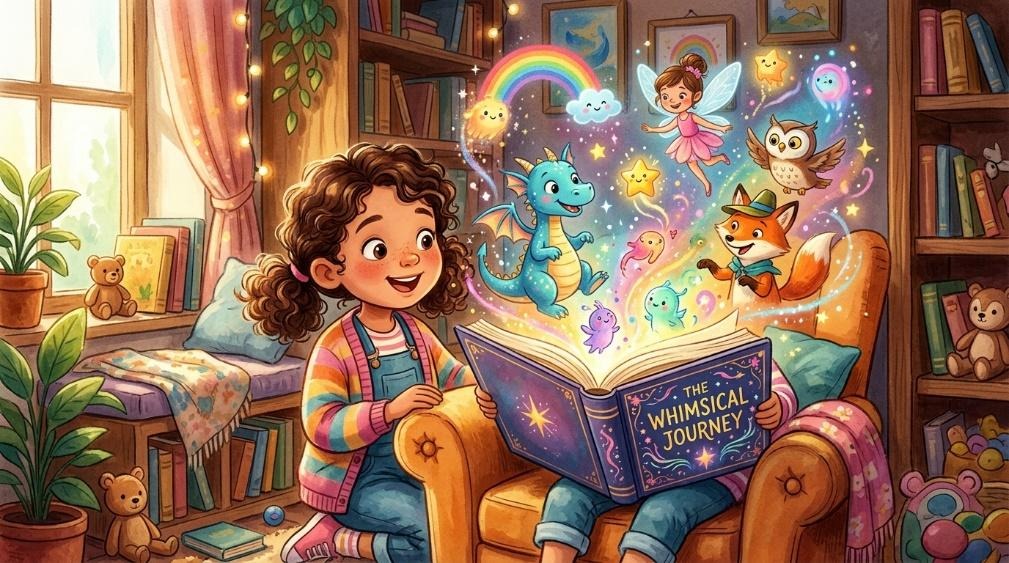
A title alone is not enough to make the child fall in love with a book. The magic can often begin with a picture. Young readers respond to colors, characters, and expressions first before they understand every word that attracts them to a story. This is why book publishers Canada are continuously investing in high-quality illustrations, and they know visuals shape a child’s first reading experience.
Illustrations are more than just a decoration, whether you are publishing picture books or early readers. They help you build emotion, transform ordinary stories, and improve comprehension into memorable adventures. This blog will guide you through why illustrations are essential and practical techniques publishers can use to create books that can truly connect with young audiences.
Why Do Illustrations Have A Great Impact on Young Readers?
Children can process images faster than text, that make visuals a crucial storytelling tool instead of an optional design element. Strong illustrations can help readers to stay engaged and also reinforce the message on each page.
Capture Attention
A colorful cover or expressive character is a way to encourage children to open a book. First impressions are always important, especially when you compete with digital entertainment. Eye-catching artwork will help you create curiosity before readers read a single sentence.
Improve Story Comprehension
Young readers rely on visual clues that help them to understand emotions, settings and actions. Illustrations can bridge vocabulary gaps that make complex ideas easier to grasp, especially for preschool and early elementary audiences.
Support Emotional Learning
Factors like facial expressions, body language, and visual storytelling help children to recognize feelings like happiness, fear, excitement and empathy. These emotional cues can deepen the entire reading experience.
According to the recent report, the majority of parents often believe that books can create opportunities for meaningful conversations, and reading enjoyment is highest when children feel connected to the stories and characters.
Techniques To Make Children’s Book Illustrations More Effective
It might be difficult to create a great work quickly. Publishers who know the way to engage young readers can consistently produce stronger books.
Design Memorable Characters
Once children finish a story, they often remember expressive characters for a long. Characters with consistent facial features, personality and clothing will help you to create familiarity with the entire book.
Match Art Style To The Story
You can achieve success for a humorous story with playful illustrations, and an educational title can work best with the use of clean and informative visuals. Your chosen artwork should be a reflection of the tone of your story.
Use Color To Guide Emotion
Warm colors are the way to communicate excitement and comfort and cooler tones can help to create mystery or calmness. Choose strategic colors to strengthen storytelling without additional words.
Leave Room For Imagination
You don’t need excessive detail for every scene. White space and simplified backgrounds can encourage children to think about what happens beyond the page.
Show Action Clearly
Movement can keep your young readers engaged with your book. Characters jumping, running, laughing or exploring will make pages feel alive instead of static.
Maintain Visual Consistency
Repeated design elements often help children to recognize locations, characters and recurring themes that create a smoother reading experience.
Include Diverse Representation
Children usually enjoy seeing characters of different cultures, abilities and family backgrounds. Inclusive illustrations can help more readers to see themselves within a story.
Balance Text And Artwork
Instead of overwhelming, your book Illustrations should support the narrative. A well-balanced page can help you improve readability and keep attention focused.
Think Beyond Entertainment
Educational concepts can become easier to understand when visuals reinforce learning. Many experts in childrens book publishing Canada can encourage illustrations that can combine creativity with educational value.
Test Illustrations With The Target Age Group
Observe children’s reactions to get valuable insights before publication. Small adjustments according to the feedback can often improve the finished product significantly.
Why Book Publishers Canada Prioritize High-Quality Illustrations
The success of publishing depends far beyond writing. Visual quality can influence purchasing decisions among parents, educators and libraries.
Better Market Appeal
Books with professional artwork can help you stand out both online and on bookstore shelves. Attractive covers can increase browsing time and improve click-through rates in digital marketplaces.
Stronger Brand Recognition
Readers who enjoy one beautifully illustrated title often remember the publisher. Over time and consistent visual quality helps you build trust and loyalty among families.
Higher Educational Value
Teachers usually choose those books that can explain concepts visually. Illustrations in the books reinforce vocabulary, sequencing and storytelling skills, which make them useful classroom resources.
Research from Scholars also shows that only 28% of children can identify as frequent readers, which highlights the importance of engaging books that encourage reading for pleasure.
What Makes an Illustration Truly Memorable?
The most successful children books can create experiences instead of simply telling stories. Publishers who are collaborating closely with authors and illustrators can achieve better storytelling results.
Every Image Should Advance The Story
Each illustration requires some purpose. Instead of repeating the text, your artwork should reveal those details that words alone cannot express.
Visual Storytelling Builds Lasting Connections
Children often remember scenes for years even after forgetting specific sentences. Emotional artwork can create stronger memories and encourage repeat reading, which benefits both readers and book publishers Canada in seeking long-term success.
Frequently Asked Questions
Why are illustrations important for children’s publishing even when children can already read?
Illustrations continue supporting comprehension, emotional engagement, and imagination even if children have basic reading skills. They can enrich the way of storytelling and allow readers to visualize scenes and characters more effectively.
How can illustrations influence book sales?
Parents, librarians and teachers frequently judge children’s books first by their visual appeal. A professionally illustrated book can often attract more attention and encourage more purchases.
What should publishers consider when they are hiring an illustrator?
You should look for a style that matches the story, strong storytelling ability, effective communication, experience with children’s audiences and consistency throughout the publishing process.
Final Thoughts
Illustrations are the heartbeat of children’s books. They can attract attention, strengthen storytelling, improve understanding and encourage emotional connections that words alone cannot always achieve. Book publishers Canada who are investing in thoughtful artwork can create books that children want to revisit again and again. Reading habits are continuously competing with digital distractions, so compelling illustrations have also become more valuable than ever. Prioritizing visual storytelling can make a lasting difference, whether you’re launching your first title or expanding an established catalog.