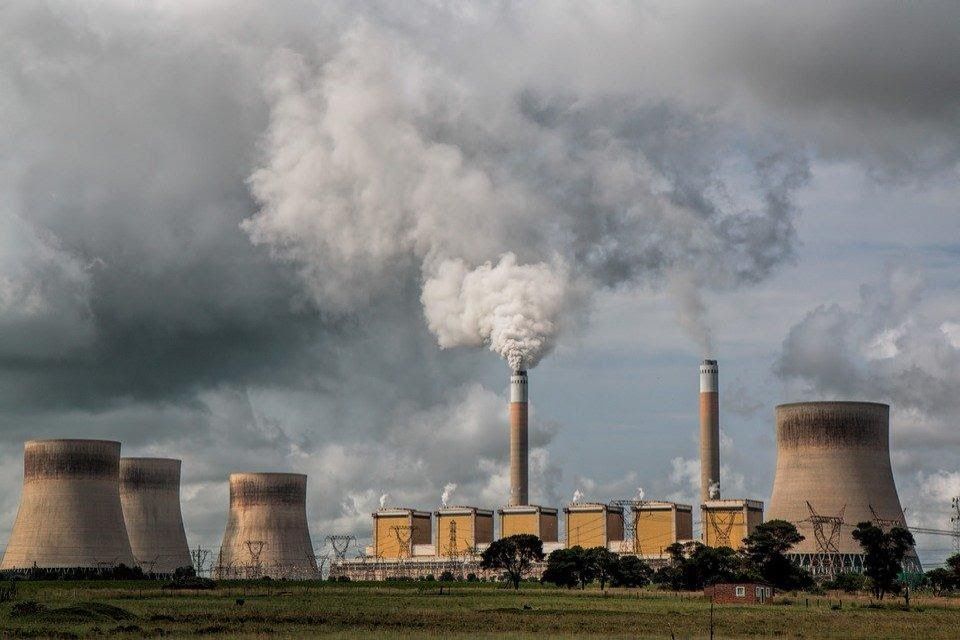
Chronic diseases linked to poor air quality highlight the urgency of air pollution. Air pollution causes 8 million premature deaths worldwide each year. With 92 percent of people living in areas where WHO limits are exceeded, understanding pollution levels is more urgent than ever.
Recent advances in low-cost pollution detectors have created new air quality devices. These devices provide detailed data at a fraction of the cost of traditional systems. We can now see in real time where pollution starts, where it spreads, and who is most affected.
With this understanding, we can work together to balance the common good and economic development. This opens a new era of healthy communities and thriving cities. At the same time, it creates a practical framework for clean air investments and policy decisions within the context of the FoE.
Here are examples of how new air quality data reveals insights into the air we breathe. It shows effects on our health, the ecosystem, and industry.
The effect of reducing transit emissions
With more vehicles on the road than ever before, carbon activities from fossil-fuel combustion have increased. It should come as no shock that lowering traffic also helps to decrease air pollution, and vice versa. Cities have established a variety of traffic policies aimed at reducing both, but the precise effects were difficult to assess until recently.
High-resolution air pollution data serve as indicators for implementing and assessing new traffic management measures. Cities may track pollution patterns and hotspots – the roads and periods of day with the greatest number of pollutants – by putting air quality sensors along major intersections and roads, allowing them to fine-tune their policies appropriately. To establish smart traffic management and reduce congestion, real-time air quality monitor data can be collected on the busiest streets. This can be smoothly combined with local traffic data.
Establishing data transparency as the norm
Conventional air monitoring stations use only a few data points to represent a city’s overall air quality. A 2018 study by the Mayor of London found that pollution levels can vary greatly between two locations just meters apart.
A small change in airflow can significantly alter pollution levels between the street center and the curb. Traditional systems are not agile enough to track individual changes in air quality. This limitation leads to missing data and biased results.
Facilitating the transition to renewable energy
Countries transitioning to sustainable energy reduce greenhouse gas emissions. This helps tackle some of the world’s most serious air pollution problems. Air quality data helps validate environmental co-benefits. It also serves as a proxy to measure the effects of climate change and assess the effectiveness of policies.