
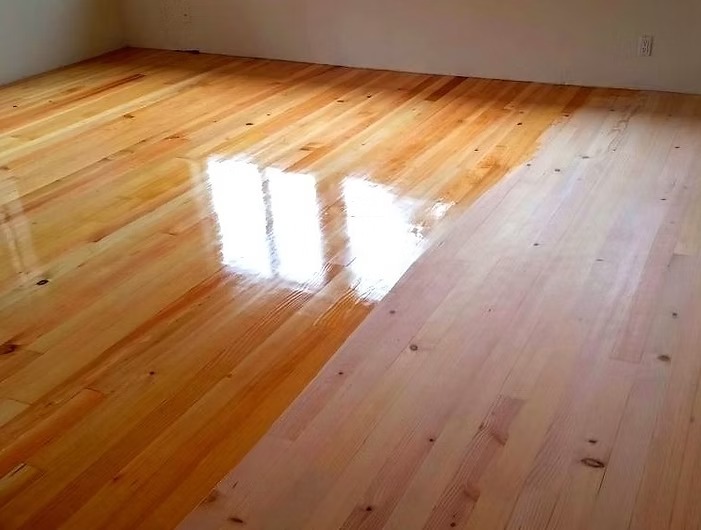
A house often tells its history through the grain and patina of its flooring. Years of foot traffic, moving furniture, and accidental spills leave behind a map of memories, but they also leave behind scratches, dull spots, and deep-seated wear. Many homeowners look at a faded surface and assume the wood has reached the end of its lifespan, yet the structural integrity of timber is remarkably resilient. Restoring that original luster is more than a simple cleaning task; it is an architectural revival. Through the careful process of hardwood floor repair and refinish, a tired room can be transformed back into a high-end living space without the environmental or financial cost of a full replacement.
The Anatomy of Surface Degradation
Wood is an organic material that reacts to its environment. Over decades, fluctuations in humidity cause planks to expand and contract, leading to small gaps or “cupping.” Meanwhile, UV rays from windows break down the chemical bonds in older varnishes, causing that tell-tale amber or grayish discoloration.
When a floor looks “old,” it is usually just the protective top layer that has failed. Deep scratches might penetrate the stain, but the solid wood underneath remains untouched by time. This is where the restoration process begins. By identifying whether a floor is solid hardwood or engineered, a specialist determines how much material can be safely removed to reveal the fresh, unblemished wood hidden just a few millimeters below the surface.
The Precision of Professional Restoration
While DIY kits exist, the complexity of modern finishes often requires a more nuanced approach. Homeowners frequently search for professional hardwood floor refinishing near me to ensure the use of industrial-grade dust containment systems and precision sanding machinery. The goal of a professional is to remove as little of the “wear layer” as possible while achieving a perfectly level surface.
The process typically follows a specific sequence:
- Assessment: Checking for loose boards, protruding nails, or deep gouges that require wood filler.
- Coarse Sanding: Removing the old gunk, wax, and polyurethane.
- Fine Sanding: Gradually increasing the grit of the sandpaper to create a smooth, glass-like texture.
Buffing: A final pass to ensure the wood pores are open and ready to accept new pigments.
Choosing the Right Aesthetic Direction
Once the wood is raw and sanded, the homeowner faces a creative crossroads. Should the floor retain its natural, light-colored oak or maple tone, or should it be transformed with a deep walnut or ebony stain? Modern trends have shifted away from the high-gloss orange tints of the 1990s toward matte and satin finishes that highlight the natural “character marks” of the wood.
Beyond color, the choice of topcoat is vital for longevity. Water-based polyurethanes have gained popularity because they dry quickly and lack the harsh odors associated with traditional oil-based finishes. However, oil-based options are still favored for their richness and durability in high-traffic hallways. Engaging with hardwood floor refinishing contractors near me allows a property owner to see physical samples of their own wood species, which is essential because the same stain can look vastly different on Cherry than it does on Pine.
The Value of Repair Over Replacement
Sustainable living is no longer just a trend; it is a necessity. Tearing out an old floor to install new timber consumes vast amounts of natural resources and energy. In contrast, refinishing preserves the old-growth timber that is often higher quality than what is available in big-box stores today.
Repairing specific sections—such as replacing boards damaged by a past plumbing leak—is a surgical process. Expert craftsmen can “lace in” new boards with old ones so seamlessly that the transition is invisible to the naked eye. This preservation of original materials maintains the soul of a home while modernizing its performance and hygiene.
Future-Proofing Your Investment
After the restoration is complete, the maintenance strategy shifts. The “restored” floor is essentially a brand-new surface. Experts recommend using felt pads under all furniture legs and avoiding steam mops, which can force moisture into the wood grain. By applying a “screen and recoat” every few years—a process that adds a new layer of protection without sanding down to the wood—homeowners can make a single refinishing job last for several decades.
This proactive approach ensures that the wood remains protected against the micro-abrasions caused by household dust and pet claws. It is an evolution from reactive repair to proactive preservation, ensuring the floor remains a focal point of the home’s design rather than a chore to be managed.
Conclusion
The journey from a scuffed, darkened floor to a glowing, smooth surface is one of the most rewarding home improvement projects one can undertake. It honors the history of the building while providing a clean slate for the future. By choosing a high-quality hardwood floor repair and refinish, you are not just fixing a walking surface. You are reinvesting in the warmth and value of your property. The result is a timeless foundation. It feels as fresh today as it did on the day it was first laid down.