The choice of plywood in a home is not a hasty decision. Each room possesses varying moisture levels, usage patterns, and structural requirements. The right grade will guarantee durability and long-term performance. Homeowners tend to look at Plywood sheets only in terms of thickness and price when comparing them. Nevertheless, it is also necessary to know the kind of plywood to use to make a responsible choice.
The incorrect grade can do well initially, but deteriorate with time. This is why room-specific selection is important. In the case of Plywood sheets, performance has to be aligned with the environment. Plywood is produced in different forms to meet certain functional requirements within a house.
Knowledge of Plywood Grades and Core Strength:
Prior to choosing materials to be used in individual rooms, it is necessary to have clarity on the standards of grading. The grades of plywood are usually indicative of bonding, resistance to moisture and surface finish. These are the direct factors that affect the behaviour of Plywood sheets under stress.
Commercial grade is one of the many kinds of plywood that can be used in interior settings where there is little exposure to moisture. Boiling water-resistant grade offers greater bonding to moderate humidity areas. Waterproof grade is more protective in harsh environments. All these kinds of plywood have a specific purpose depending on the exposure to the environment and the anticipated use.
Homeowners should not evaluate Plywood sheets based on surface polish only, but internal bonding quality. Long-term reliability is dependent on structural integrity.
Plywood in Living Rooms and Bedrooms:
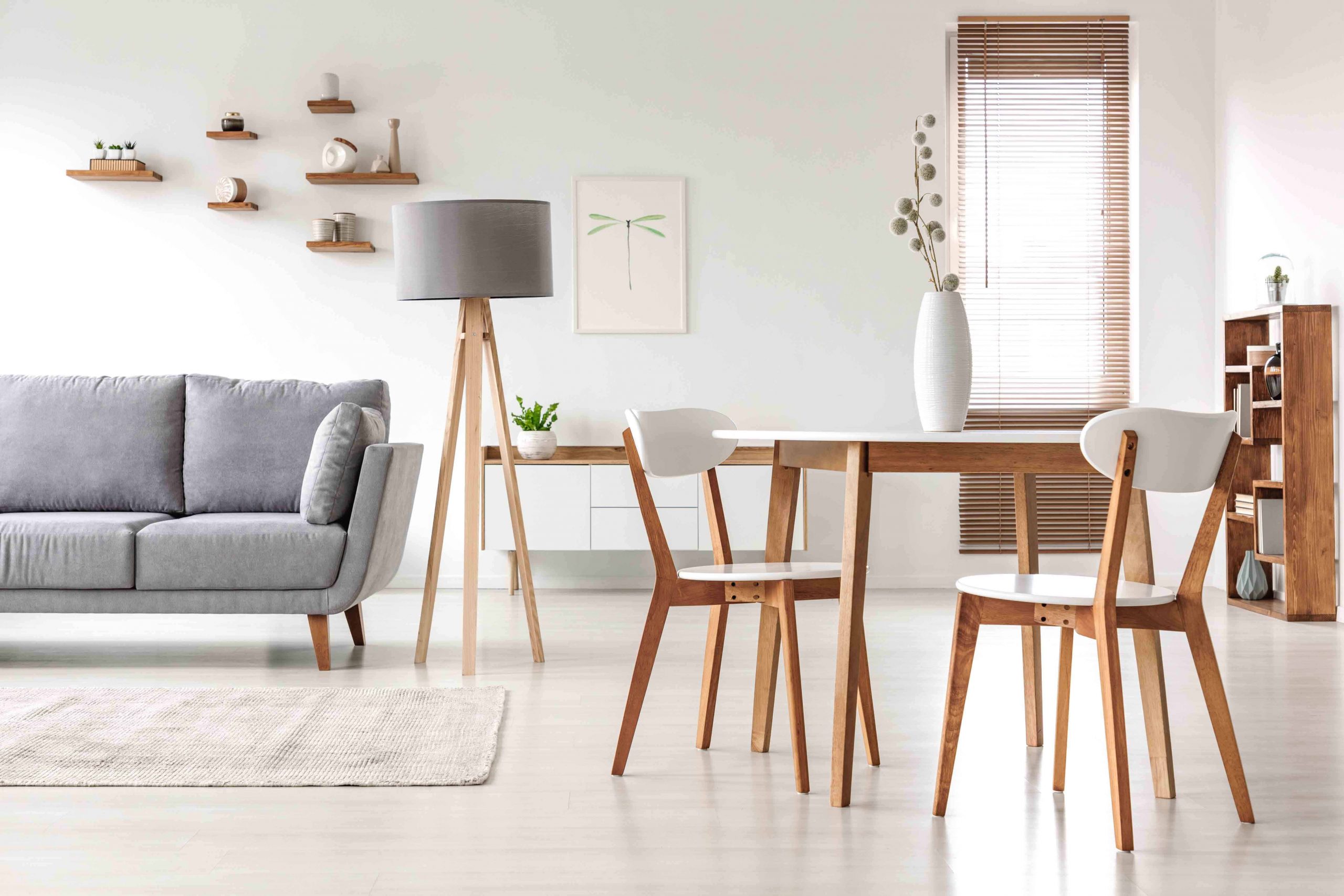
Controlled temperature and reduced exposure to moisture are common in living rooms and bedrooms. Decorative finishes and structural stability are the main needs in such areas. The choice of appropriate Plywood sheets will make sure that cabinets and wardrobes are aligned in the long run.
One of the most popular types of plywood used in these rooms is commercial grade. It offers adequate strength to furniture, wall panels, and shelving units in the normal indoor conditions. Higher moisture-resistant grades are not always required since humidity is not very high.
Nevertheless, homeowners should still check the quality of Plywood sheets applied to large wardrobes or entertainment units. Bonding strength differs among manufacturers even in interior-oriented types of plywood. A prudent choice promotes structural balance in the long term.
Choosing Plywood in Kitchens and Utility Areas:
Kitchens are more humid because of cooking vapour and frequent cleaning. Exposure to water increases around sinks and countertops. In such settings, it is necessary to choose moisture resistant Plywood sheets.
One of the most popular types of plywood used in modular kitchens is boiling water-resistant plywood. It provides greater adhesive bonding, which is not affected by moderate moisture exposure. In places close to plumbing lines, some homeowners even use higher-grade types of plywood to be sure that they are not seeped.
Comparing Plywood sheets to use in kitchen cabinets, one should consider the ability to resist warping and swelling. The surfaces can be visually stable, but the internal bonding defines the durability. Making the right decision saves money on future repairs.
Application of the Right Plywood in Bathrooms and Wet Zones:
Bathrooms are one of the most challenging interior settings. The presence of constant moisture and low ventilation predisposes to swelling and fungal growth. Normal interior Plywood sheets might not work well in such areas.
Boiling water-proof is one of the most dependable forms of plywood to use in bathroom vanities and storage cabinets. It has a higher bonding strength that gives it more resistance to extended water exposure. The use of moisture resistant Plywood sheets will minimise the chances of separation of edges and internal weakening.
Homeowners should not focus on cost savings when evaluating the types of plywood to use in wet areas. Grade compromise can lead to structural degradation in a very short time.
Study Room and Workspace Plywood:
Home offices and study rooms need stability and accuracy. Flatness and load-bearing capacity are required in desks, shelves, and wall-mounted storage units. The selection of reliable Plywood sheets helps in structural precision in such areas.
Depending on the ventilation conditions, commercial and boiling water resistant are typical types of plywood used in study areas. Although the moisture levels are moderate, the load distribution should be taken into account. Good bonding in Plywood sheets makes sure that shelves do not sink with time.
Knowledge of the various kinds of plywood enables homeowners to match the strength with the functional application. Weight-bearing performance should not be neglected even in dry areas.
Corresponding Thickness and Application:
Besides grade, performance is also affected by the thickness choice. The Plywood sheets are thicker, which gives them more load capacity to support large wardrobes and kitchen cabinets. Lighter sheets can be used in wall panels and decoration.
Structural grades of plywood are usually suggested in heavy-duty installations, among other types of plywood. Homeowners need to consult professionals when choosing Plywood sheets on the thickness that is appropriate for certain furniture designs.
Thickness and grade should be properly aligned to guarantee structural reliability. Even the high-quality types of plywood can perform poorly when the thickness is not suitable for the intended use.
A Practical Approach to Room Specific Selection:
Every room creates a unique set of conditions. Moisture exposure, ventilation, and usage frequency influence material performance. Carefully selected Plywood sheets provide long-term structural confidence.
Understanding available types of plywood allows homeowners to avoid unnecessary replacements and maintenance costs. From living rooms to bathrooms, grade selection must align with environmental demand. When making this decision, quality should remain the guiding factor rather than short-term savings. For homeowners seeking dependable Plywood sheets across different interior applications, CenturyPly offers solutions engineered for varied room conditions. With clearly defined types of plywood suited for specific environments, CenturyPly supports durable and responsible construction choices for modern homes.