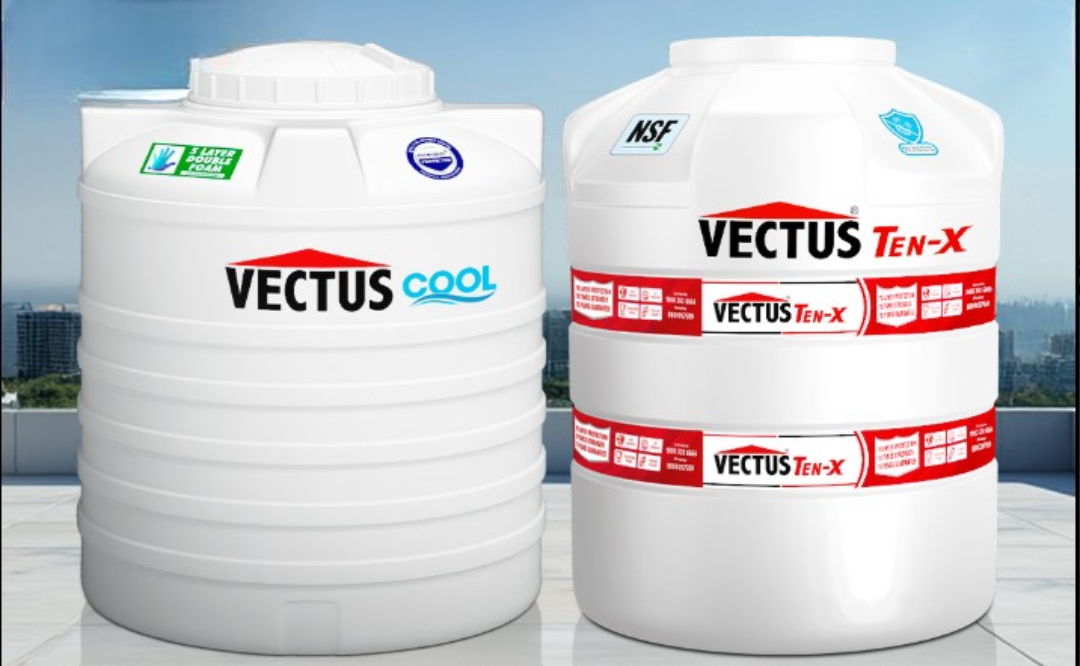
Storing safe water is currently considered one of the essential aspects of household needs. With the growing level of pollution, changing weather patterns, and increased usage of water, storage should not only be able to hold water but also to preserve its quality and protect from external influences. Modern technologies have allowed developing tanks with higher levels of safety, longevity, and quality to address these challenges.
Unlike their predecessors, modern storage devices have been created not only for collecting water, but also for protecting it from different external influences. Due to new technological opportunities and improved manufacturing techniques, tanks can now protect water from light, bacterial growth, and even leaks. In addition, these tanks will ensure water safety during household tasks.
Multi-layer Technology for Better Water Safety
One of the most significant innovations related to tank designs is the introduction of multiple layers. Unlike the previous generations of storage tanks, which consisted of a thin single wall, today’s models consist of multiple layers with different roles.
For example, the outer layer protects the device from any external environmental threats, such as direct sunlight or mechanical pressure. The middle layers contribute to heat resistance, while the inner layer ensures high levels
Quality water tanks made of food-grade material are usually safe for drinking since their components will never affect the quality of the stored drinking water during long years of operation.
UV Protection Protects From Algae Growth
Another major problem was related to algae growth. Sunlight could cause the rapid reproduction of algae inside the water in the tank, affecting its taste and quality negatively.
To prevent this, modern producers install special UV stabilisation in the outside layers, preventing sunlight from reaching the inner layers and helping people store water longer without worrying about algae growth inside.
For areas with high temperatures and lots of sunny days, such a tank could become a great purchase since it is impossible to clean it regularly.
Prevents Leakage or Cracking
As people know, leakage is very dangerous since not only does it mean that water is wasted unnecessarily, but also some other damages could be caused to the building or the tank itself. Leaks occur because of various reasons, including low-quality materials and cracking caused by temperature or excessive pressure inside the tank.
Nowadays, all water tanks have a flexible construction that protects against cracks, impacts and pressure differences. Moreover, tanks produced by rotational
This means that today’s water storage systems can be used both indoors and outdoors. The tanks will maintain their integrity for many years regardless of whether they are mounted on roofs or in underground structures.
Advanced Hygiene Standards
The hygienic conditions of water storage tanks are critical since they determine the overall safety of the drinking water. Unlike rough tank surfaces that tend to retain impurities, the modern tanks have smooth walls that are easy to clean.
Besides, some tanks have antibacterial interior walls to further enhance water safety. These surfaces discourage any microbial growth within the tanks and contribute to water safety.
High-quality plastic water tanks can undergo stringent tests to ensure they meet all health and safety guidelines for household usage.
Temperature Control Increases Safety
Water stored under warm conditions will always attract bacterial growth and odours. Today’s water tanks solve this problem with a specially designed multi-layer structure that resists heat penetration.
Dark outer surface layers reflect damaging ultraviolet radiation while an inner thermal barrier prevents the water from heating. Temperature control is particularly necessary for summer days when rooftop water tanks get heated.
Insulated water tanks guarantee safe water storage at home all through the year.
Materials That Ensure Durability
In modern tanks, the materials that are used for manufacturing are characterized by high density, which helps withstand corrosion, rusting, and any chemical reaction. As opposed to metallic storage systems, where the material could wear out due to humidity, modern plastics do not face such problems at all.
Moreover, the materials are lightweight but also strong and resistant to pressure. Thus, their installation is easier and less expensive, and they can be installed both in homes and on a larger scale.
Last but not least, modern tanks are not very demanding when it comes to maintenance. Proper cleaning is usually enough to ensure their long and effective operation.
Improved Lid and Ventilation Systems
As was mentioned above, the biggest threat to the quality of storage tanks is contamination. Modern tanks feature lids, which are perfectly closed to avoid dust, insects, and any other contaminants to enter the system.
Moreover, the ventilation systems have become more sophisticated, and pressure is maintained without any exposure to pollutants. In addition, many tanks feature mesh-covered vents that allow pressure but prevent insects from entering.
All this helps maintain a clean environment and thus ensures better storage conditions.
Environmentally-friendly manufacturing
The increasing environmental consciousness has also contributed to the development of innovative designs used in the manufacture of modern water tanks. Most producers of such items utilize environmentally-friendly materials that help to minimize harm done by the manufacturing process.
Since the current tanks are more resistant and durable than previous versions, there is less need to replace them, and this saves materials. Therefore, they may be regarded as more sustainable when it comes to household solutions that are environment friendly.
In addition, a reliable home water tank does not only serve as a water protector but also contributes to efficient water management practices in a house.
Conclusion
Thus, contemporary tanks were invented and improved on the basis of many factors. The latest technology in the development of water tanks includes advanced materials, multi-layered tanks, UV and bacterium resistance, and leak proofing.
With such characteristics, modern plastic water tanks offer many advantages that can be enjoyed by those who invest in their purchase. For example, modern plastic tanks are equipped with temperature control, crack resistance, and anti-contamination characteristics.