
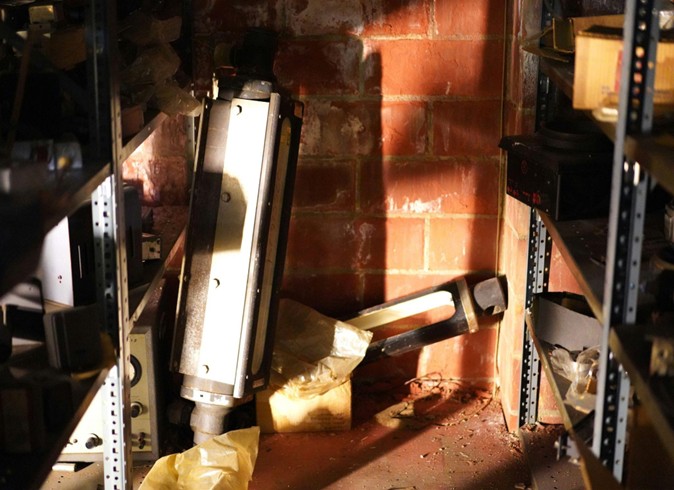
It may be that you are a professional, a hobbyist or occasionally you just need to use equipment in home projects, it is important to store it properly. Machines-sports gadgets and power tools, musical instruments or camera equipment- is a considerable investment. Poor storage will result in damages, shorter life and even pose a risk. This is a detailed guide of how to store your equipment.
1. Clean Your Equipment Before Storage
Cleaning is one of the least considered procedures in storing equipment. Corrosion, rust or mechanical problems may be experienced over time with dirt, dust, and moisture. As an example, metal components of tools or bikes may be oxidized when not clean, and cloths and cushions of sporting equipment may acquire mould or smells.
- Tools : Wipe down metal parts with a dry cloth, and apply a light coat of oil to prevent rust.
- Electronics : Use compressed air to remove dust, and store in anti-static bags if possible.
- Sports Equipment : Remove dirt and sweat, and ensure all padding is dry to prevent mold growth.
Cleaning your equipment before storing it will mean that it will be ready when you need it and minimize the possibility of long term damage.
2. Control the Environment
Equipment has a long life span in temperature and humidity. Extremes in heat, cold or moisture may cause materials to be warped, cracked or corroded. An example is that wooden handles may fail in case of dry climate and electronics may fail in case of wet climate.
- Temperature : Do not keep sensitive equipment in insensitive garages or attics where the temperatures are variable.
- Humidity : Dehumidifiers or silica gel packets can help to keep moisture away; particularly in electronics, leather equipment, and musical instruments.
- Sunlight : Direct light may cause colors to fade away and plastics or fabrics to be weakened with time. Place equipment in stores in shaded or covered places.
In case your storage area is prone to environmental extremes by nature, then you would consider putting in an investment in climate-controlled storage or insulated containers.
3. Organize and Label Your Gear
A cluttered storage space not only makes it hard to find what you need but also increases the risk of damage. Organization and labeling are key.
- Shelving and Racks- heavier items should be placed on lower shelves, which would avoid accidents, and lighter ones on higher shelves. Small tools can be handled with the help of pegboards, whereas smaller components can be handled with small stackable bins.
- Labels : Having labels on boxes or containers containing items. This saves time on the search of equipment and unwanted handling, which may result in wear.
- Inventory : Have a digital or a physical inventory of your equipment. This comes in hand particularly when dealing with several similar items, e.g. power tools or lenses of a camera.
A well-organized storage system keeps your equipment safe and ensures you can access it quickly.
4. Use Proper Containers
- Storage containers are not made equal. The appropriate type would maintain your equipment against dust, moisture and impact.
- Plastic Bins: sturdy, stackable and in most cases waterproof. The perfect choice with products that have to remain dry.
- Toolboxes or Cases : This is used with certain equipment to avoid scratches and damages. Canine foam cushions provide additional security to fragile goods.
- Aluminium Tool Boxes : Sturdy aluminium tool boxes provide lightweight yet strong protection for tools, keeping them safe from impact and moisture.
- Covers and Bags : Soft covers work well for items like bicycles, grills, or musical instruments, providing protection from dust without taking up too much space.
Ensure containers are clean and dry before use, and avoid overpacking, which can deform or stress equipment.
5. Take Safety Precautions
Not only is it regarding how to store equipment properly but also its safety. Stored goods which are bad can cause an injury or even fire.
- Chemicals and Batteries : Store all the dangerous substances in other containers marked. The batteries must not be kept near flammable items.
- Heavy Equipment : Secure big or heavy things so that they do not tip over. Straps, wall hook or anchors can be used to keep gear in place.
- Child Safety : It is prudent to ensure that the power tools, knives or other powerful tools are locked in case you have kids at home.
We will have a safe lock-up to store your equipments and everyone in your house or workplace.
6. Maintain Regular Checks
There is a need to take care of equipment even in the most effective storage practice. Periodic checking of your stored gear will make you identify the possible issues before they escalate to seriousness.
- Rust or Corrosion : Despite being in good condition, metal tools, bicycles, and outdoor equipment can still have rust. Clean and oil lightly as necessary.
- Inspect Electronics : Find indicators of moisture, battery leakage or dust.
- Test Equipment : In the case of such products as power tools or sports equipment, a quick functional test is used to check that everything is in functional condition.
Periodical maintenance has the advantage of having a safe and operational equipment whenever you require it.
7. Plan for Long-Term Storage
There are other equipment that may not be consumed in months or even years. Storing over a long period would involve additional measures to avoid degradation.
- Assemble Assembles : Assemble large objects such as bicycles, tents, or furniture to be stress-free and space-saving.
- Oil Moving Parts : Gears, hinges, and chains should be lubricated in order to avoid seizing.
- Cover or Wrap : Covers of breathable fabrics should be used in covering the items that have the tendency to gather dust. Plastic wrap should not be applied directly on the wood because it may trap the moisture.
Unloading the items correctly to store them during long-term usage will preserve the conditions and avoid expensive fixing or replacement.
8. Consider Professional Storage Options
If you have limited space at home or particularly valuable equipment, professional storage solutions may be worthwhile. Climate-controlled storage units, secure lockers, or specialized storage services can provide ideal conditions for delicate or high-value items like musical instruments, photography gear, or collectibles.
- Climate-Controlled Units : Maintain consistent temperature and humidity.
- Security Features : Cameras, access control, and alarm systems protect expensive equipment.
- Specialized Storage : Some facilities offer padded containers or custom shelving for sensitive items.
This can be an additional cost, but it will also give you peace of mind as well as an extension of the life of your equipment.
Adequate equipment storage is not simply that of storing equipment. It is cleaning, organizing, environmental control, safety measures, and the occasional maintenance. All these measures will help in keeping your investment intact, minimize the cost of replacing it, and increase the safety in your home or working area. Whether you have power tools in the garage, musical instruments in the studio, or sports equipment in the shed, the following tips on building a storage area will keep your equipment safe and allow you to have many years of good use. The time you invest into ideal storage today will reap benefits of longevity, dependability and tranquility tomorrow.