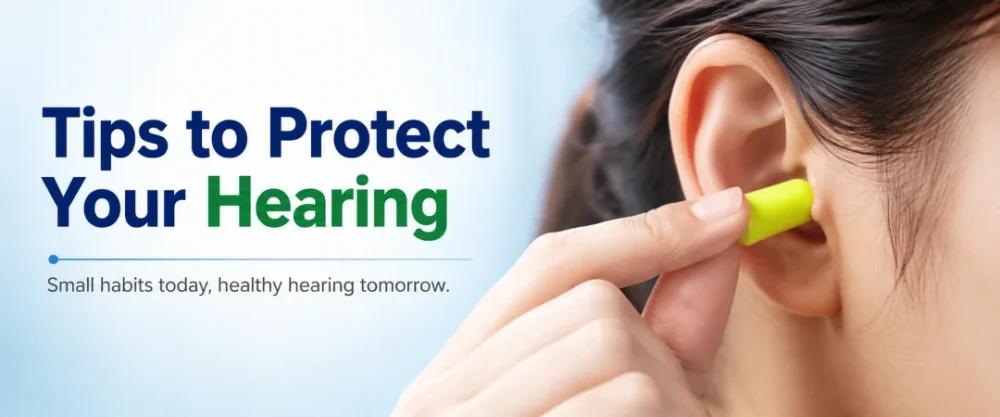
Hearing is crucial for communication, learning and quality of life. As you rush through your hectic day – however, your hearing can slowly deteriorate due to loud noises, extended listening to music on headphones, and lack of proper ear care. Luckily, you may avoid hearing loss for many years by making a few lifestyle changes. The following are some practical tips to make sure your hearing is safeguarded in your everyday life.
1. Avoid Listening to Music at High Volume
When the ear is exposed to loud music through headphones or loud speakers – the delicate structures of the ears will get damaged. When people are in a car or at work – they may increase the volume of the music listening system, so as to not hear outside noise. The rule of 60/60 is to listen to no more than 60% of the maximum volume – for no more than 60 minutes per day. If the volume is a bit lower; this will make a huge difference on saving your hearing in the long run.
2. Use Ear Protection in Noisy Environments
Concerts, construction sites, factories and sporting events are all loud environments – which can damage the ears. Using ear plugs or noise-cancelling earmuffs helps to decrease exposure to sound – and will not allow for the development of hearing loss in the future. Regular exposure to noise at work – if this is the case, you can visit an Audiologist to find out about the most appropriate hearing protection for your work and lifestyle.
3. Limit Headphone and Earbud Usage Time
Earbuds and headphones can begin to damage the ears – especially when used at high volume for extended periods of time. Often breaks to the ears – allow them a chance to recover from the sound. If possible – use an alternate with speakers or take short silent breaks between listening times. Noise-cancelling headphones can also be of help – as they will help you reduce the amount of noise that you have to turn up in noisy environments.
4. Keep Your Ears Clean the Right Way
While many people use cotton swabs to clean their ears – they can push the earwax further in the ear canal and cause damage to the ear drum. Earwax should keep dust and bacteria out of the ears. In most instances the ears will “clean” themselves. If ear wax accumulations are too much – it is advisable to see a health-care provider rather, than trying to remove it yourself.
5. Take breaks from prolonged noisy environment
Loud noises frequently can damage a person’s ears and make him or her more likely to experience hearing problems. Using quiet breaks – offers a break to relieve stress on your hearing system – whenever you use machinery, are at loud events, or listen to music for hours. A few minutes in a quiet place will allow your ears to rest.
6. Get Regular Hearing Checkups
Regular hearing tests should be done to discover any hearing problems before they become too severe. Once the symptoms are starting to interfere with communication – some people do not pay attention to them. People who listen to loud noises, have a family history of hearing loss, and older adults – should get a hearing test. If you are able to diagnose your child’s hearing loss early – it can be easier and more effective to treat your child’s hearing loss and manage their hearing.
7. Protect Children From Loud Sounds and Devices
Loud toys, gaming headsets and mobile devices – also pose a threat of hearing damage to children. Volume control and headphones should be used in moderation by parents. Educating children on good listening practices sensitises their hearing to protect them as they grow older. It can also be prevented by playing with volume-limited headphones – designed for youngsters.
8. Watch for Early Signs of Hearing Problems
Early warning signs of hearing loss include – difficulty hearing others, turning the TV louder when people speak, asking people to repeat themselves and having difficulty hearing with people talking. If left untreated – these symptoms can worsen over time – causing hearing problems. If these signs are noticed and professional help is sought at an early stage – this will help prevent any further damage.
Conclusion
You do not have to make major changes to your lifestyle to avoid damage to your ears. Being aware of volume controls, using ear protection, taking listening breaks and regular hearing check-ups – will go a long way to preventing hearing damage. Daily care of the ears can contribute to good health and clear hearing at all times!