| Summary: Outer ankle pain that doesn’t quite go away could be peroneal tendonitis. It usually builds over time from repeated strain rather than a single injury. The good part, most cases improve with simple care like rest, support, and targeted exercises. The key to faster tendonitis ankle recovery is catching it early and not pushing through the pain. |
Many people believe that tendon injuries happen only because of major incidents, which include twisting, falling, and stepping incorrectly.
Peroneal tendonitis typically develops through a different pattern.
The condition develops through a slow progression, which begins with ankle pain after walking and leads to unexplained discomfort that appears on the outside of your foot. The condition becomes easier to dismiss because it appears and disappears throughout the day.
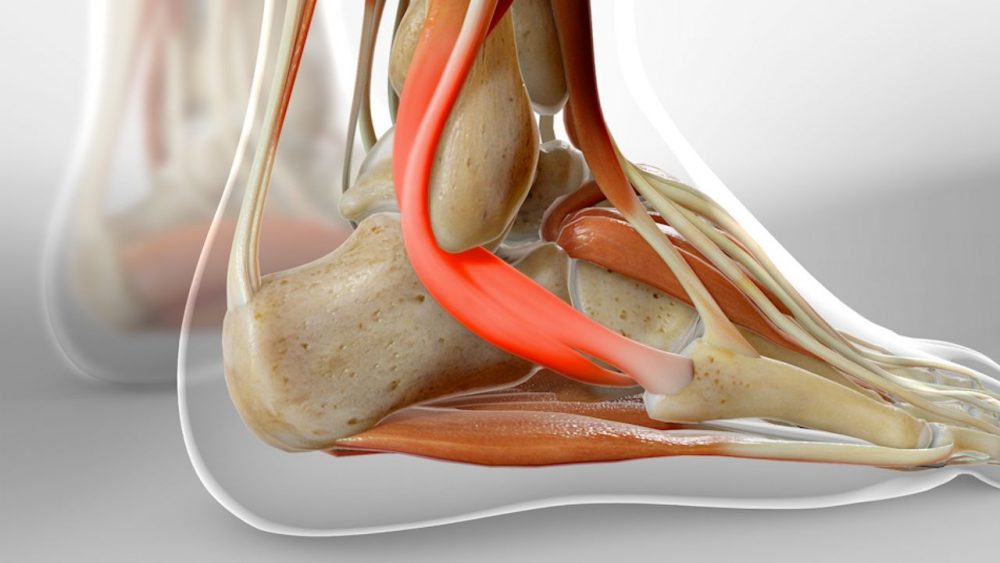
Your ankle contains the peroneal tendons, which extend along its outer border. The tendons function to maintain your foot’s stability while preventing excessive inward movement. Every movement you perform activates these muscles throughout your day.
The body develops irritation as users continue to use their product through multiple instances of excessive strain.
What It Actually Feels Like
People describe it differently, but there are a few patterns that come up often.
- A dull ache on the outer side of the ankle
- Pain that shows up during or after activity
- Slight swelling or tenderness behind the ankle bone
- A feeling of weakness or instability
Sometimes there’s also a sense that the ankle isn’t as steady as it used to be. Not exactly giving way, but not fully reliable either.
That’s usually the point where it’s worth paying attention.
Why It Happens
There isn’t always a single reason.
In many cases, it’s a mix of habits and movement patterns:
- Repetitive activities like running or long-distance walking
- Uneven surfaces or frequent direction changes
- Shoes that don’t offer enough support
- A sudden increase in training or activity
- Previous ankle sprains that didn’t fully settle
Even small changes, like switching footwear or increasing your daily step count, can trigger it if the tendons aren’t ready for the extra load.
Peroneal Tendonitis Treatment: What Actually Works
Peroneal Tendonitis Treatment isn’t complicated, but it does require some patience. The goal is to reduce stress on the tendon while helping it regain strength.
1. Ease Back on Activity
This doesn’t mean complete rest, but cutting down on movements that trigger pain helps prevent further irritation.
High-impact activities usually need a pause, at least temporarily.
2. Ice and Basic Relief
Applying ice after activity can help calm inflammation. It’s a simple step, but it often makes day-to-day discomfort more manageable.
3. Supportive Footwear
This is often overlooked.
Shoes that lack structure can keep the tendon under constant strain. Switching to something more supportive, or adding inserts, can reduce pressure significantly.
4. Strength and Stability Work
Once the pain starts settling, exercises become important.
These typically focus on:
- Strengthening the ankle and lower leg
- Improving balance
- Restoring proper movement patterns
This step plays a big role in preventing the issue from coming back.
5. Bracing (If Needed)
In some cases, a brace or ankle support helps stabilize the area during recovery. It’s usually temporary but can be useful in the early phase.
6. When Symptoms Don’t Improve
If pain continues despite these steps, it’s worth getting it checked. Occasionally, more structured treatment is needed, but that’s not the norm.
Tendonitis Ankle Recovery: What to Expect
This is where expectations matter.
Tendonitis ankle recovery doesn’t happen overnight, even if the pain seems mild.
- Early-stage irritation may settle in a few weeks
- Ongoing tendonitis can take several weeks to a couple of months
- Returning to full activity too soon can reset progress
The tricky part is that pain may reduce before the tendon is fully healed. That’s where people often push too fast and end up back at the start.
A Common Mistake: Ignoring “Mild” Pain
The main reason this condition continues to exist is that people continue to move forward. The pain allows for easy work because its intensity does not reach high levels.
You should walk with shorter steps while maintaining your current pace. The tendon remains injured because the body experiences continuous minor tension.
The treatment of a problem should start at its earliest stages because this approach enables faster recovery.
When to Get It Looked At
You don’t need to rush to a specialist for every ache. But certain signs are worth checking:
- Pain that keeps returning in the same spot
- Swelling that doesn’t settle
- A feeling of instability in the ankle
- No improvement after a few weeks of basic care
Getting clarity early can save a lot of trial and error.
Preventing It From Coming Back
Once you’ve dealt with it, prevention becomes the focus.
A few practical things help:
- Gradually increasing activity instead of sudden jumps
- Wearing shoes that match your activity level
- Adding basic ankle-strength exercises to your routine
- Not ignoring early warning signs
It’s less about doing something extreme and more about staying consistent with small habits.
It Doesn’t Always Start With an Injury
Peroneal tendonitis begins as an unobtrusive condition that progresses to its complete development. The condition requires no immediate treatment, yet becomes persistent when the symptoms face continuous disturbance.
Most cases show positive results through basic regular treatment methods.
Early professional assessment provides essential benefits that lead to easier recovery from ongoing ankle pain. The platform Upswing Health connects users to specialists who help them recover from tendonitis while creating specific peroneal tendonitis treatment plans that match their individual symptoms.
The most important factor for success lies in identifying the problem early and avoiding any attempt to work through it.
FAQs
1. How do I know if I have peroneal tendonitis?
Pain along the outer ankle that worsens with activity and improves with rest is a common sign. Tenderness behind the ankle bone is another clue.
2. How long does tendonitis ankle recovery take?
Mild cases may improve within a few weeks, while more persistent cases can take a couple of months.
3. Can I keep walking with peroneal tendonitis?
Light activity is usually fine, but anything that increases pain should be limited until symptoms improve.
4. What is the best peroneal tendonitis treatment?
A combination of reduced strain, supportive footwear, and strengthening exercises tends to work best.
5. Will this come back after recovery?
It can, especially if the underlying cause isn’t addressed. Strengthening and proper support reduce the risk.