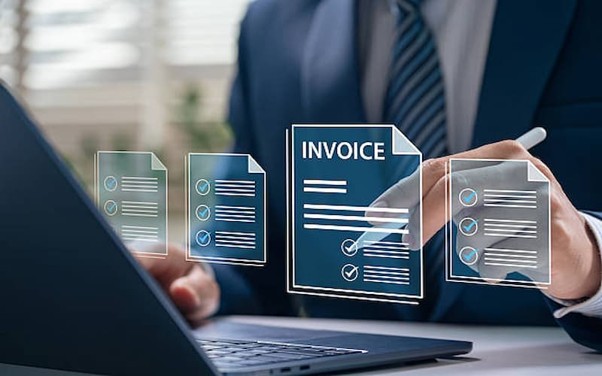
In today’s fast moving digital economy businesses need invoicing systems that are accurate secure and fully compliant with tax regulations. Paper based billing procedures can no longer cope with the pace and the intricacy of the business transactions. Here organized electronic invoicing is crucial to long term effectiveness and adherence.
In the cases of companies dealing with the B2B electronic invoicing it is important to know the regulations to prevent the occurrence of mistakes and fines. In a market such as Saudi Arabia where regulations are well exercised under E-invoicing in Saudi Arabia companies need to adapt to systems that are compliant which will provide real time validation and precise reporting. Such tools as Quickdice can be used to make this process easier, facilitating the creation of invoices in a seamless and compliant way, all the way to the end.
Complete Guide to Compliant Electronic Invoicing for B2B Transactions
Understanding B2B Electronic Invoicing
The concept of digital invoicing between businesses implies developing and exchanging structured billing documents electronically rather than paper based. These records are structured to be auto processed to enhance accuracy, minimize manual handling and to facilitate quicker communication flow of financial activities within organizations and enhance efficiency flow.
The current billing laws mandate companies to keep proper and verifiable financial documents that are verifiable by the government. This guarantees trust, lessens discrepancies and promotes standardized reporting practices. Companies have established regulations that businesses are supposed to adhere to and make all transactions valid, secure and documented within systems.
Core Requirements for Compliant B2B Electronic Invoicing
When preparing your invoices, there are always some components that should be included in order to make them comply with the standards.
1. Complete business and tax details
Every invoice should clearly mention
- Seller and buyer legal names
- VAT registration numbers
- Invoice date and invoice number
- Description of goods or services
- The breakdown of total amount with VAT
2. Structured digital format
Electronic invoicing (B2B) should be in machine readable formats such as XML or UBL. Such formats enable systems to automatically verify and process invoices automatically.
3. Digital security layer
A digital signature will guarantee that the invoice is legitimate and has not been altered once created.
4. QR code verification
A QR code should be provided on each invoice to be easily verified by customers and tax authorities.
5. Real time reporting
Depending on regulations invoices might be required to be reported immediately or within a short period of time.
Step by Step Process to Generate Compliant Electronic Invoices
Step 1 Select a reliable invoicing system
Select an ERP or invoicing system that can comply with the regulations and is automatically updated in relation to the changes in regulations.
Step 2 Set up your business profile correctly
Include the correct information like VAT number, legal entity name and tax type. This guarantees uniformity of all invoices.
Step 3 Enter correct transaction data
In the case of B2B electronic invoicing, the correct customer data is essential. The slightest mistakes may result in rejection or delays.
Step 4 Generate structured invoice file
Invoice data is automatically transformed into the required formats such as XML to be processed securely by the system.
Step 5 Apply digital signature
This is done to protect the invoice, make it verifiable and legal.
Step 6 Run compliance validation
Missing fields, VAT, duplication and format are checked and the system does not allow submission unless the system is compliant with the formats.
Step 7 Submit to tax authority system
After validation, invoices are forwarded to the official platform to be approved or real time reported.
Common Mistakes Businesses Should Avoid
Many companies face compliance issues due to small but critical errors.
- Using only PDF invoices without structured formats
- Lack of or wrong VAT information.
- Poor sequence of invoice numbers.
- Failure to do so on time.
- Invoicing with non certified tools.
These errors can be avoided to ensure the smooth running of the organization and avoidance of penalties of compliance.
Best Practices for Long Term Success
In ensuring consistency in compliance in B2B electronic invoicing, the following practices should be adopted by the businesses:
- Regularly update invoicing systems
- Train accountants educate on compliance regulations
- Automate the process of invoice validation
- Keep up to date audit trails
- Combine ERP and tax solutions
These practices help businesses stay efficient and compliant as regulations evolve.
Future of Electronic Invoicing
The new age of invoicing is all digital, automated and real time. Governments are shifting towards the model where invoices are authenticated immediately when they are created.
When businesses embrace organized invoicing early they will have competitive edge in terms of efficiency, compliance and control over finances. By using such tools as Quickdice the companies can readily adjust to such changes and satisfy the E invoicing requirements in Saudi Arabia.
Conclusion
Compliant invoicing is not a practice but a component of the contemporary business processes. It keeps all transactions accurate, transparent throughout financial operations and assists businesses to live up to legal and regulatory demands without inconveniences and delays in operations.
With the adoption of structured systems and best practices in B2B electronic invoicing organizations are able to stream workflows, decrease compliance risks and enhance financial efficiency. With the ongoing change of digital transformation companies that are adopting compliant invoicing now will be at a better place to grow sustainably and remain stable in the long run.